
The Lampard Inquiry has been hearing evidence since September 2024 and is due to conclude evidence sessions in autumn 2027.
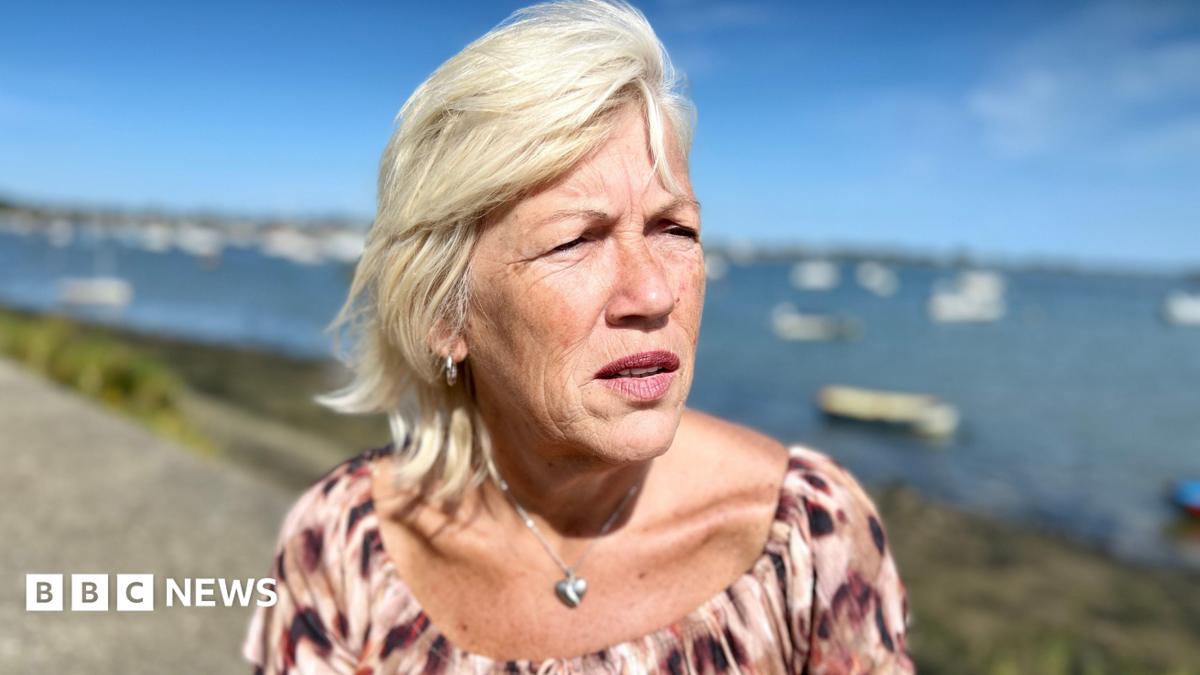
Leahy said the long-running process had come at a personal cost.
“This is a journey I never chose, but one I have felt compelled to continue,” she said.
“There have been times when I’ve felt overwhelmed, confused and emotionally exhausted.”
Concerns about what happens after public inquiries have also been raised in Parliament.
A House of Lords committee, external reviewing the Inquiries Act 2005 warned that public inquiries were often criticised for their cost, length and the lack of follow-up to recommendations.
It proposed the creation of a parliamentary committee to oversee inquiries and hold governments to account for implementing recommendations.
In its response, the government said, external there had too often been “insufficient transparency and accountability” around the implementation of recommendations and agreed that the public inquiry system “must be improved”.
The Cabinet Office has since launched an online tracker, external showing recommendations from major public inquiries, the government’s response and updates on progress.
However, supporters of change argue that tracking progress is not the same as independently checking whether recommendations have actually been carried out.
In her opening statement, external, Baroness Lampard said her final recommendations would include expected timescales for implementation and how progress should be monitored.
She has also said she would not hesitate to make interim recommendations if the inquiry uncovered issues requiring urgent action.
A government spokesperson said: “When inquiry recommendations are accepted these become government policy.
“The government should be held to account to deliver on all of its commitments.”
Do you have a story suggestion for Essex? Contact us below.