
It’s that time of year when outdoor lovers of a certain age start fantasising about #vanlife. Before we know it we’re obsessing over the 2026 Ford Transit Custom Nugget or a V-Dub with an awning and an electric pop-top. Some dream bigger, fantasising about the £90,000 Adria Matrix 670 SL with the three-burner hop and extractor fan or, Lord help us, the 25ft, £164,000 Niesmann+Bischoff Arto 78, which looks like the Rolling Stones’ tour bus but is flawed, as Practical Motorhome noted, because the “wardrobes aren’t quite as big as expected” — which is like complaining about the cup holders in a tank.
I used to be #vanlife zealot. I’ve toured Australia, Canada and the US in RVs and pretty much every other year during the 18 I’ve been circumnavigating the nation for the UK’s 50 best beaches guide, I’ve borrowed a camper. But after a quarter of a century it’s dawned on me that I’m happier and more comfortable with a tent and a car. That might sound like I’m saying economy is more comfortable than biz class, but I can explain.
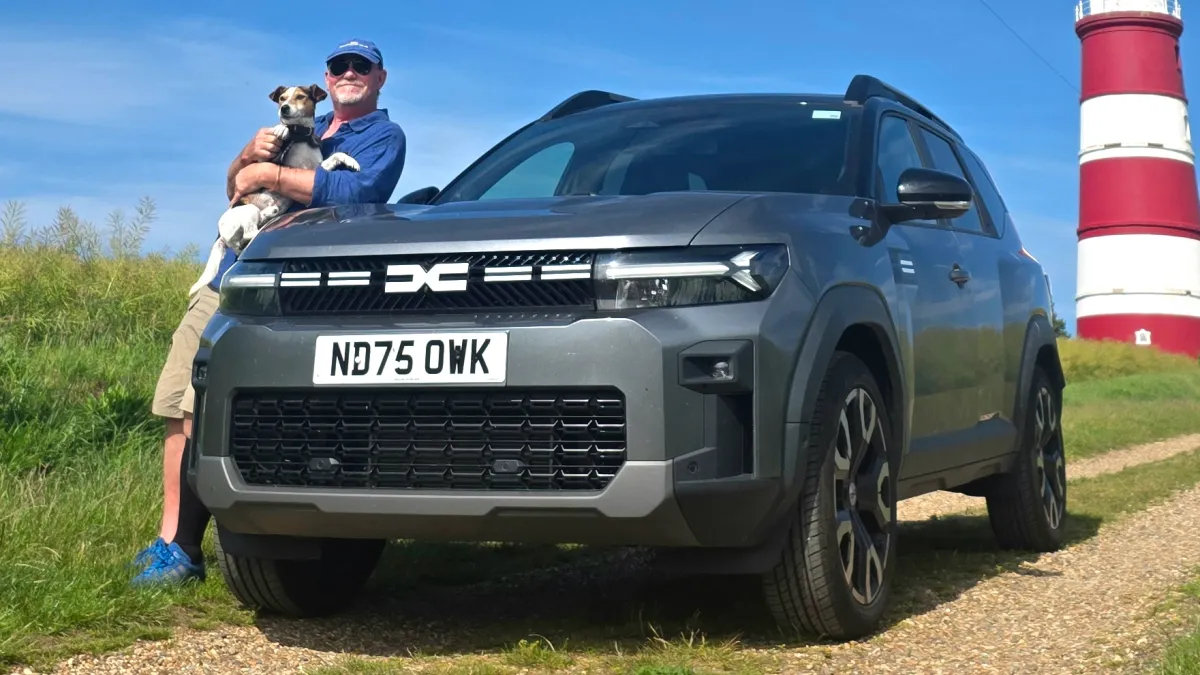
This year I took a Dacia Bigster: a practical, rather utilitarian, hybrid SUV that proved a reliable companion on a 4,307-mile road trip mixing motorways and country lanes with muddy tracks, wet sand and narrow backstreets.
Travel newsletter
Your weekly round-up of the best travel inspiration, guides, hotel reviews and advice from our experts.
Sign up with one click
It’s a lot of car for little cash: at about £25,000 you could have six of these and a month in the Maldives for the price of the Arto 78. It had enough boot space for a family of four but even though I was getting 650-odd miles out of a 50-litre tank of diesel, this really isn’t about the money.
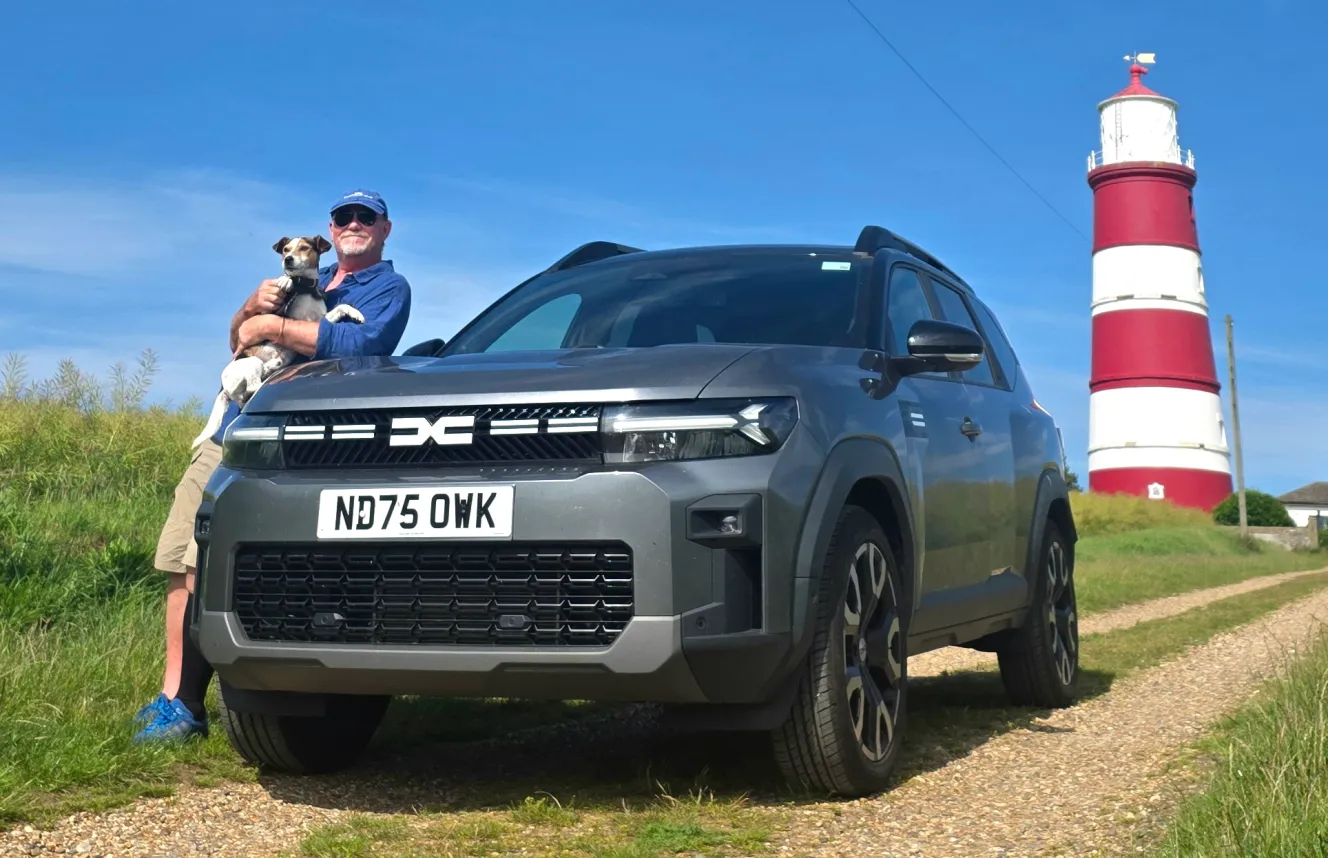 Chris Haslam and Dave T Dog with the Dacia Bigster at Happisburgh Lighthouse, Norfolk
It’s because I’ve finally realised that campervans, mobile homes or RVs — all essentially bungalows on wheels — constrain your enjoyment of the wild. Yes, you have a three-ring burner with extractor fan and wardrobes that aren’t as big as you expected and yes, you can watch the telly from the couch and have a wee without traipsing across a campsite (more expensive models only). But if you’re cooking, eating, sleeping and watching The Traitors not in the great outdoors but the comfy indoors, isn’t that a bit like being at home?
You may enjoy that level of comfort and that’s absolutely fine, but I bet you don’t like the looks you get from locals when you try to manoeuvre that wagon down the narrow coastal lanes of Antrim, Cornwall, Devon, Dorset, Down, Kent, Lincolnshire, Norfolk, Northumberland, large parts of Scotland and most of Wales.
If you’re an owner, you’ll have either learnt to reverse like a pro or not to bother with single-track roads, but if you’re renting for the first time, consider this: your van is based on a commercial van chassis — a VW Transporter, a Fiat Ducato or a Mercedes Sprinter, for example.
Would you be confident driving an Amazon delivery truck down a serpentine lane with a 1-in-3 incline and six inches clearance on either side? And if you meet another vehicle coming up the hill, could you reverse back to the last passing place — as is your duty under the Highway Code — without bursting a blood vessel or parking in a hedge? If not, don’t take the back road from Widemouth to Crackington Haven and, please, never go to Penbryn.
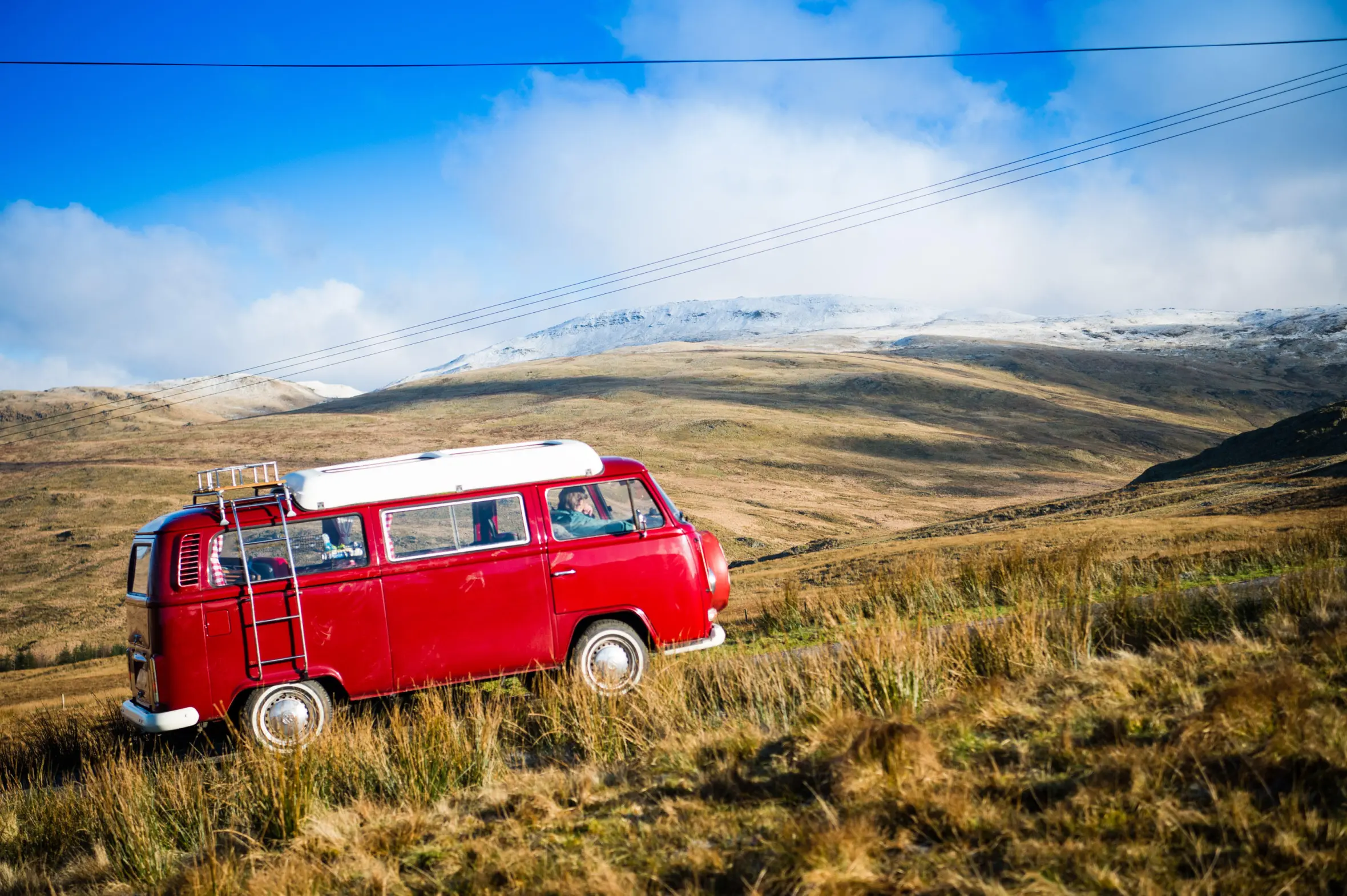 A camper van is basically a bungalow on wheels, says Chris Haslam Keith Morris / Alamy Live News
But what about the set-up, you say. It’s so easy with a camper van. All you have to do is level it; pop the top (if you’ve got one); convert the sofa into a double bed; deploy the awning; hook up to electricity and water; empty the toilet tank; get the telly aerial up; fit the black-out blinds; pitch the awning; switch the fridge from 12V to mains and knock in a couple of windbreaks in lieu of a privet hedge to maintain your privacy from the van next door.
Car camping is a bit simpler. My 12-year-old tent takes less than five minutes to set up. Inflating the double airbed takes a bit longer, during which time I can set up the table and the chair, the gas stove and the cool box.
Am I more uncomfortable than you? It’s hard to know. I sleep like the dead in the outdoors and wake at first light. Furthermore, when my tent is full of sand, dry grass, dog hair and dead daddy longlegs I can turn it inside out and shake it. Can you do that with an Adria Matrix 670 SL?
I could upgrade to a roof tent, I suppose. TentBox dominates the market with clever pop-ups costing from £999 up to £2,500 that you attach to your roof rack, but, one, I cannot see what advantage there is to sleeping on the roof in a nation without hyenas, and, two, when leaving the tent for a 2am wee, I can’t trust myself to remember I’m six feet up.
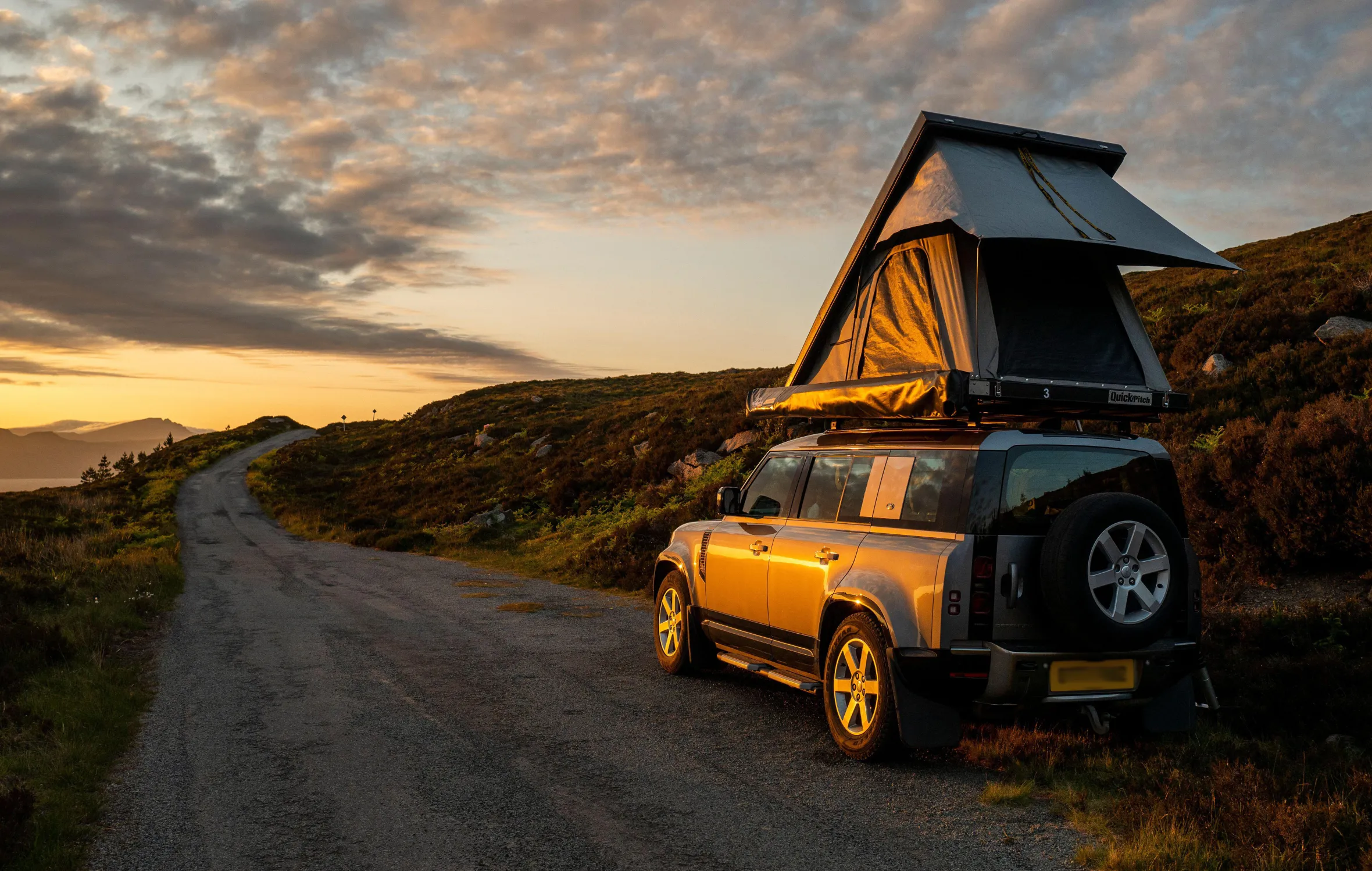 Roof tents attach to your car’s roof rackAlamy
So I’ll stick with the traditional ground-based tent, ta, even though it’s not always plain sailing. At 3.20am on June 3 on a campsite on the Dorset coast I was awoken by the snapping of tent poles during a storm. I threw the tent and the bedding into the Bigster’s boot, then sat in the car to repair the poles.
Stubbornly, I then repitched the tent and went back to sleep, only to wake again with rain on my face because the flysheet had blown away. I believe the couple in the VW California parked next to me slept through the entire sorry affair.
Ultimately, though, #vanlife and #carcamping are sheep and cows. We share the same meadows, watch the same sunsets and experience, in our own particular ways, the same delight in the slow sense of freedom that you’ll never get in any hotel.
I think we can agree on that.
What do you prefer: campervanning, caravanning or camping? Let us know in the comments