
Posted Jul 6, 2026 at 8:50 PM UTC
NASA’s planet-hunting spacecraft discovered a “super-Jupiter” with a new method.
By looking through data from NASA’s Transiting Exoplanet Survey Satellite (TESS), researchers uncovered a planet through microlensing for the first time — a concept theorized by Einstein that picks up on planets as their gravity warps space-time.
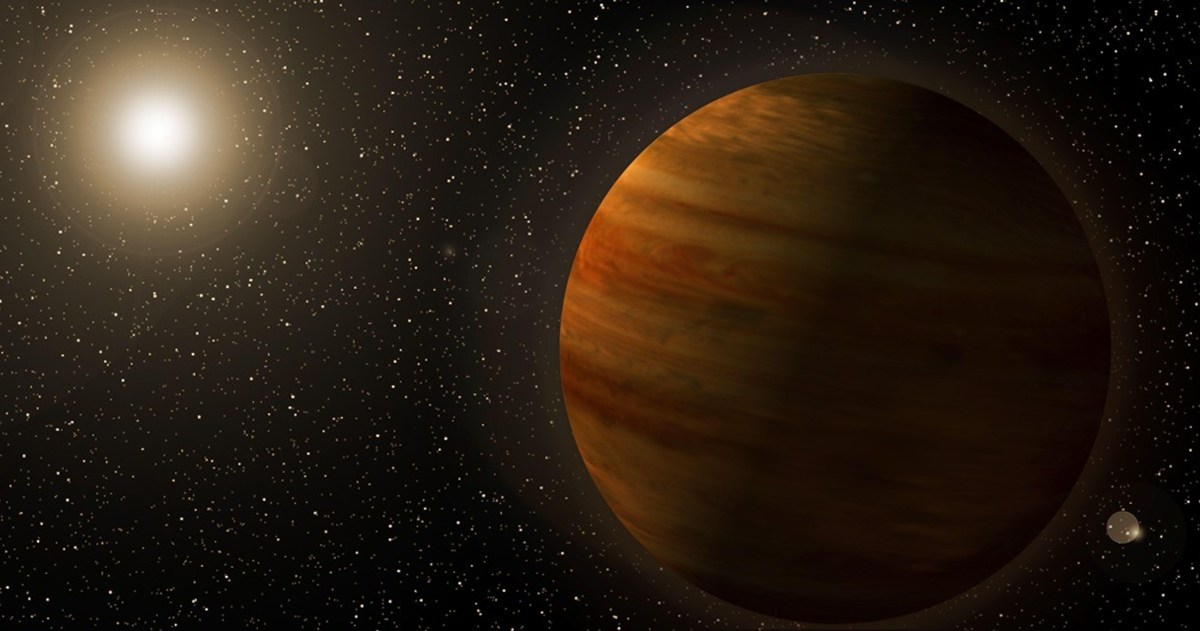
Though the ESA’s now-retired Gaia telescope first discovered hints of the planet in 2023, TESS’s data revealed a planet that’s 1.6 times Jupiter’s mass and almost 40,000 light-years away from Earth.

An artist’s depiction of the “super Jupiter,” Gaia23bra b. Image: NASA’s Goddard Space Flight Center
Follow topics and authors from this story to see more like this in your personalized homepage feed and to receive email updates.Emma RothClose
Emma Roth
Posts from this author will be added to your daily email digest and your homepage feed.
FollowFollow
NASAClose
NASA
Posts from this topic will be added to your daily email digest and your homepage feed.
FollowFollow
NewsClose
News
Posts from this topic will be added to your daily email digest and your homepage feed.
FollowFollow
ScienceClose
Science
Posts from this topic will be added to your daily email digest and your homepage feed.
FollowFollow
SpaceClose
Space
Posts from this topic will be added to your daily email digest and your homepage feed.
FollowFollow