
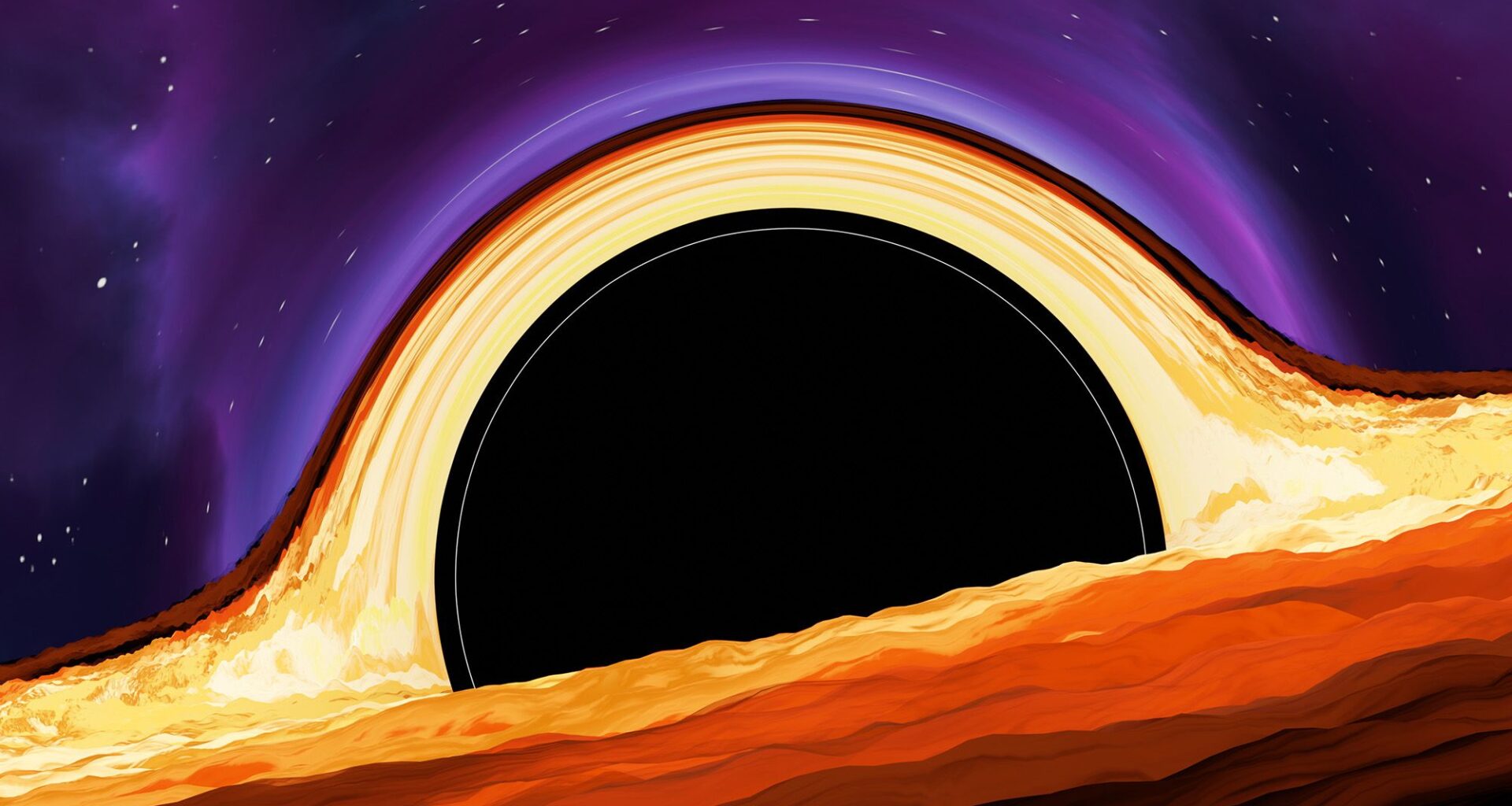
Scientists have found evidence that gravitational waves from a spectacular black hole collision carry signals from the very edge of the newly formed black hole. If confirmed by future observations, the discovery could provide an entirely new way to investigate what happens in the immediate vicinity of a black hole without ever observing it directly.
In a new study, the researchers analyzed an exceptionally strong gravitational wave event known as GW250114. They identified a “direct wave,” a subtle feature of the total gravitational wave signal predicted by theory but never previously detected in real data. The signal appears to contain information from extremely close to the black hole’s event horizon, the boundary beyond which nothing, not even light, can escape.
Listening to the edge of a black hole
You may like
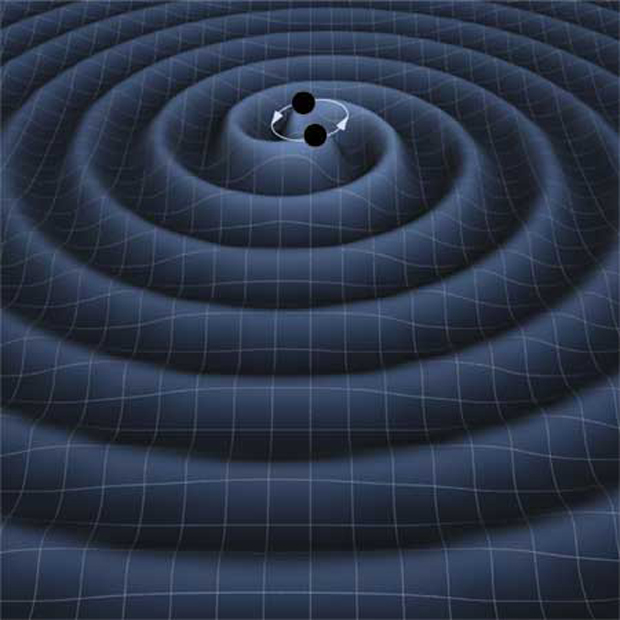
When two black holes merge, they release gravitational waves — ripples in the fabric of space time — throughout the universe. Studying these waves can provide information about the newly formed black hole.
(Image credit: K. Thorne (Caltech) and T. Carnahan (NASA GSFC))
What to read next
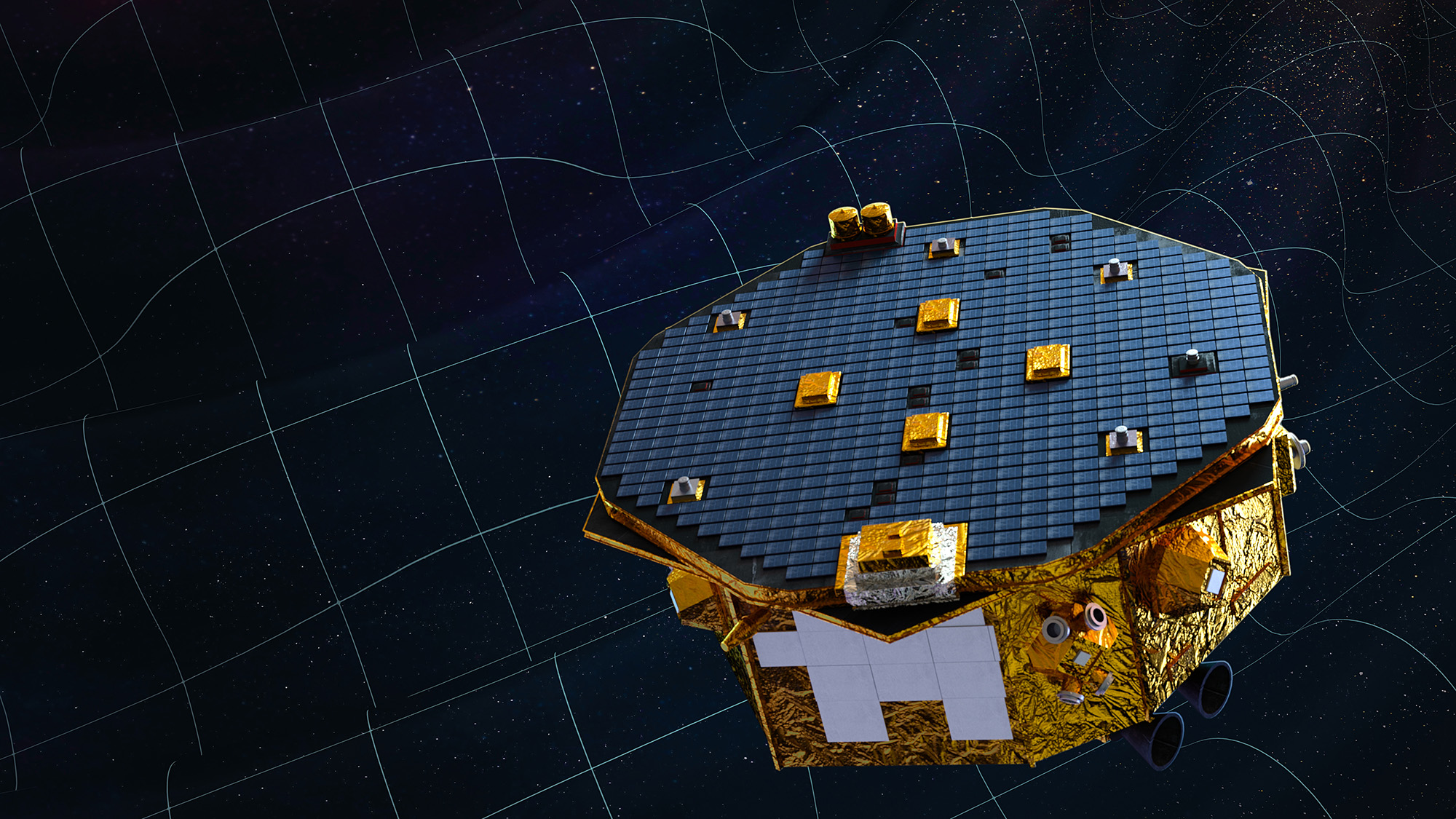
ESA’s upcoming LISA mission will detect gravitational waves from space, offering even more insights into the mysterious ripples than Earth-based detectors currently can.
(Image credit: All About Space/Getty Images)
A new way to explore extreme gravity
More observations will be needed