
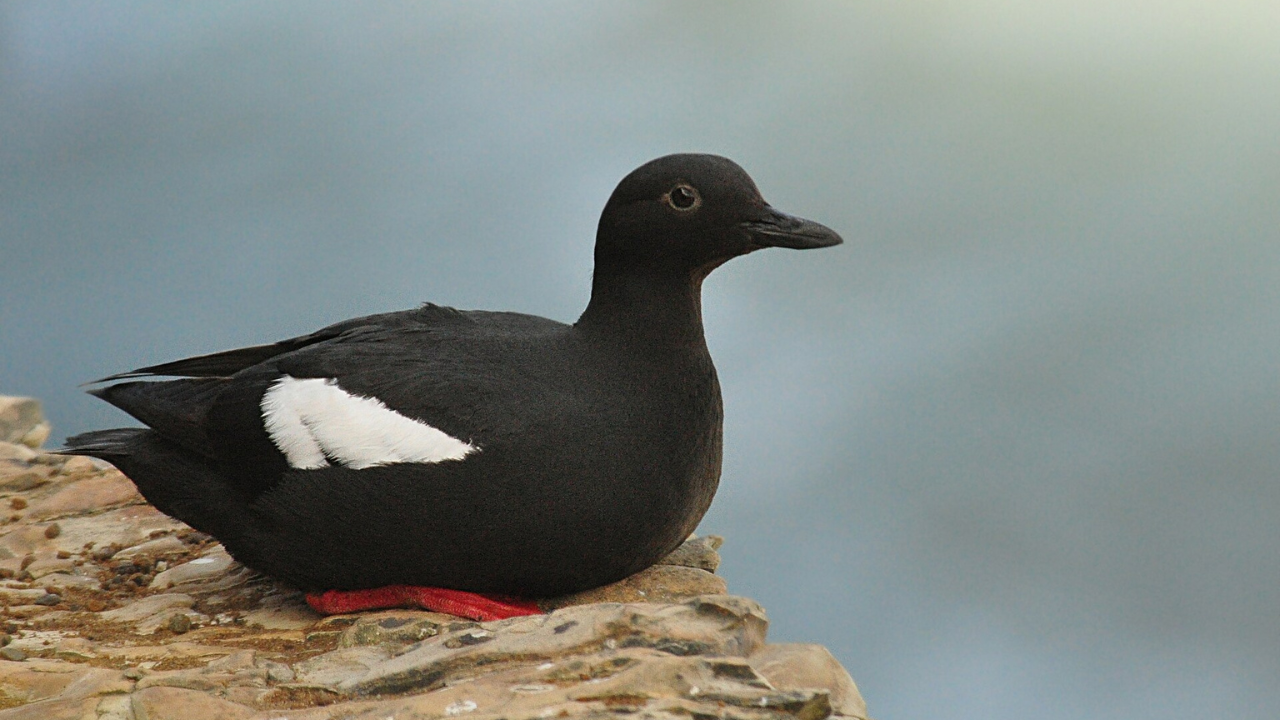
 Pigeon guillemots | Wikimedia Commons Conservation programs often focus on restoring habitat, but sometimes the biggest obstacle is an invasive predator. That was the case on Alaska’s Naked Island Archipelago in Prince William Sound, where pigeon guillemots (Cepphus columba) once formed the region’s largest breeding colony. Between 1979 and 2008, however, the local population crashed by about 95%, a decline linked to the introduction of American mink and compounded by the effects of the 1989 Exxon Valdez oil spill. With so few breeding birds remaining, scientists feared the colony might never recover. Instead, a decade-long restoration effort has revealed how quickly seabird populations can respond when a major predator is removed. A new study found that following targeted mink removal beginning in 2014, guillemot numbers rebounded dramatically, providing one of the clearest recent examples of successful island ecosystem restoration. According to The Journal of Wildlife Management, shoreline surveys recorded a 3.3-fold increase in guillemot numbers by 2023 compared with the start of the restoration effort.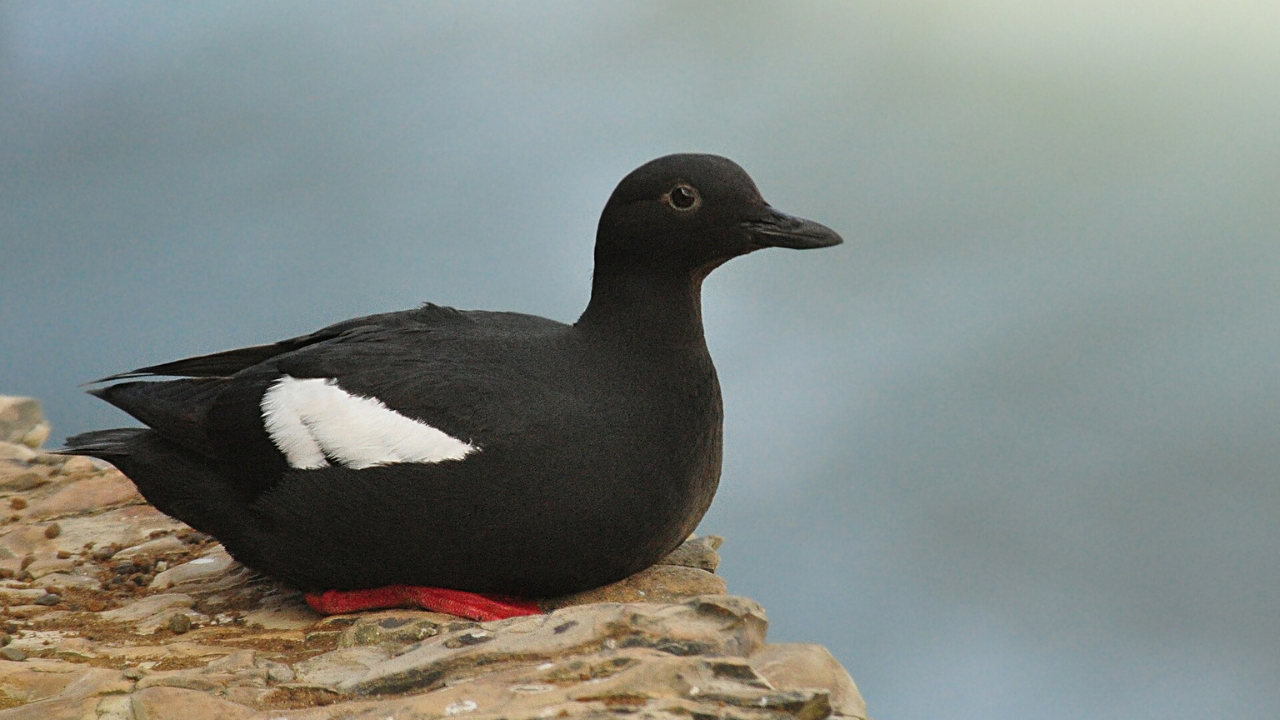
Pigeon guillemots | Wikimedia Commons
Removing one invasive predator changed the islandsAmerican mink are not native to Prince William Sound but became established on several islands, where they preyed heavily on eggs, chicks, and adult seabirds nesting in rock crevices close to shore. Beginning in 2014, wildlife managers launched an intensive program to remove mink from guillemot nesting areas throughout the Naked Island Archipelago. Researchers monitored breeding colonies over the following decade and documented rapid improvements. Active nests increased 4.7 times during the first five years after mink removal, while more birds began nesting in crevices that had previously been too dangerous because they were easily accessible to predators. Nestling survival also improved substantially. The researchers believe many of the returning birds immigrated from nearby mink-free islands, quickly recolonizing habitat that had become suitable again. In contrast, guillemot numbers at nearby islands without mink declined slightly during the same period, suggesting the recovery was directly linked to predator removal rather than broader regional population growth. According to the study, the speed of recolonization demonstrates how rapidly seabird populations can respond once invasive predators are eliminated. 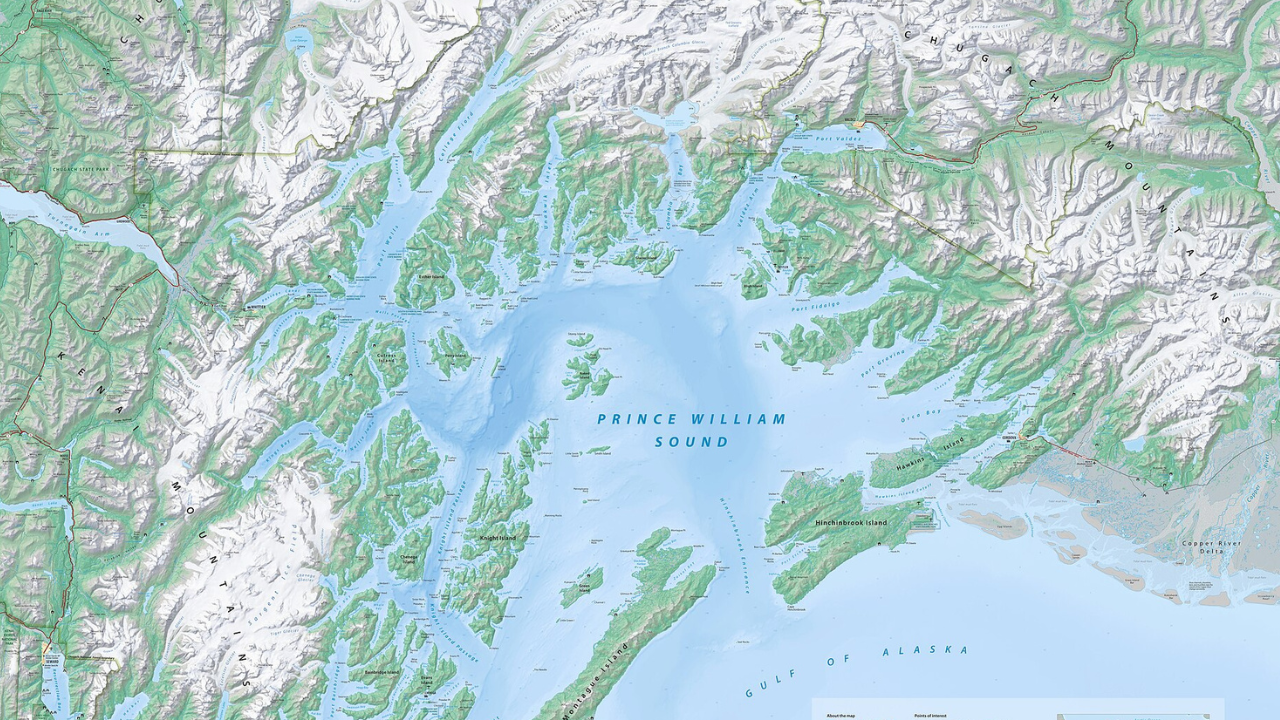
Location of Prince William Sound | Wikimedia Commons
A model for restoring island bird populationsInvasive mammals are among the leading causes of seabird declines worldwide because many island-nesting birds evolved without land predators and therefore have few natural defenses. Conservation organizations increasingly view predator eradication as one of the most effective restoration tools available. The success in Alaska adds to growing global evidence that carefully planned invasive-species removal can produce long-lasting ecological benefits. According to the Island Conservation organization, more than 1,200 invasive vertebrate eradications have been completed on islands worldwide, helping protect hundreds of threatened bird species and restore entire island ecosystems. The Alaska findings reinforce that recovery can begin surprisingly quickly once breeding colonies become safe again, even after decades of severe decline. While continued monitoring will determine whether the population eventually returns to historic levels, the study demonstrates that reversing seemingly catastrophic losses is possible when conservation efforts target the underlying ecological threat rather than the symptoms alone.