
The incident happened at Bradford Royal Infirmary (BRI) in June of this year, leaving 20-year-old Kelsey Scott – who is non-verbal and reliant on others for all aspects of her care – exposed to a potentially life-threatening risk.
The Trust that runs BRI is urgently looking into the circumstances surrounding the incident.
‘Shattered’ confidence in the hospital
Her mother, Katie Brown, 40, from the Woodside area, said the incident had completely “shattered” her confidence in the hospital’s safeguarding procedures and highlighted wider concerns about care standards for vulnerable patients.
Kelsey in the garden (Image: Katie Brown)
Mrs Brown said: “My daughter, Kelsey Scott, is a 20-year-old vulnerable young woman living with CLN3 (Juvenile Batten disease), childhood dementia, epilepsy, severe visual impairment, and she is non-verbal.
“Despite her complex medical needs, Kelsey has always been cared for safely and has remained relatively stable throughout her young adulthood.
“While Kelsey was on Ward 23, a serious incident occurred that has completely shattered my confidence in the care provided.”
The medication (Image: Katie Brown)
The timeline of events
Kelsey was admitted to hospital on June 21, 2026 after suffering a cardiac arrest and later transferred to a respiratory ward.
She takes seven 100mg Epilim tablets – an anti-epileptic drug – twice a day but was accidentally given 300mg tablets after the hospital pharmacy allegedly mislabelled and mis-dispensed her medication.
As a result, she was administered a dose more than triple the prescribed amount, both morning and evening, on two consecutive days.
‘This is not my only concern’
Mrs Brown said: “This is not my only concern regarding Kelsey’s care.
“When Kelsey was first admitted to Ward 23, concerns were raised by her carers about the suitability of her room and bed.
“Given her vulnerability, these reasonable safety measures should have been implemented without delay.”
She said her daughter experienced prolonged seizures and sustained bruising from striking her unprotected bed during these episodes.
The family was notified of the medication error on July 2, although Kelsey was moved to the neurology ward and the error identified two days earlier.
Mrs Brown said: “I believe I should have been informed immediately so that I fully understood the risks to my daughter’s health and the action being taken.”
The medication (Image: Katie Brown)
An investigation has been launched
The trust has since launched an investigation into the incident and has apologised.
A spokesperson for Bradford Teaching Hospitals NHS Foundation Trust said: “We would like to offer our sincere apologies to Kelsey and her family for the distress and upset this incident has caused.
“The Trust is urgently looking into the circumstances surrounding this incident and is liaising with the Medical and Healthcare products Regulatory Agency (MHRA). We are keeping Kelsey’s family updated and will share any subsequent findings with them.”
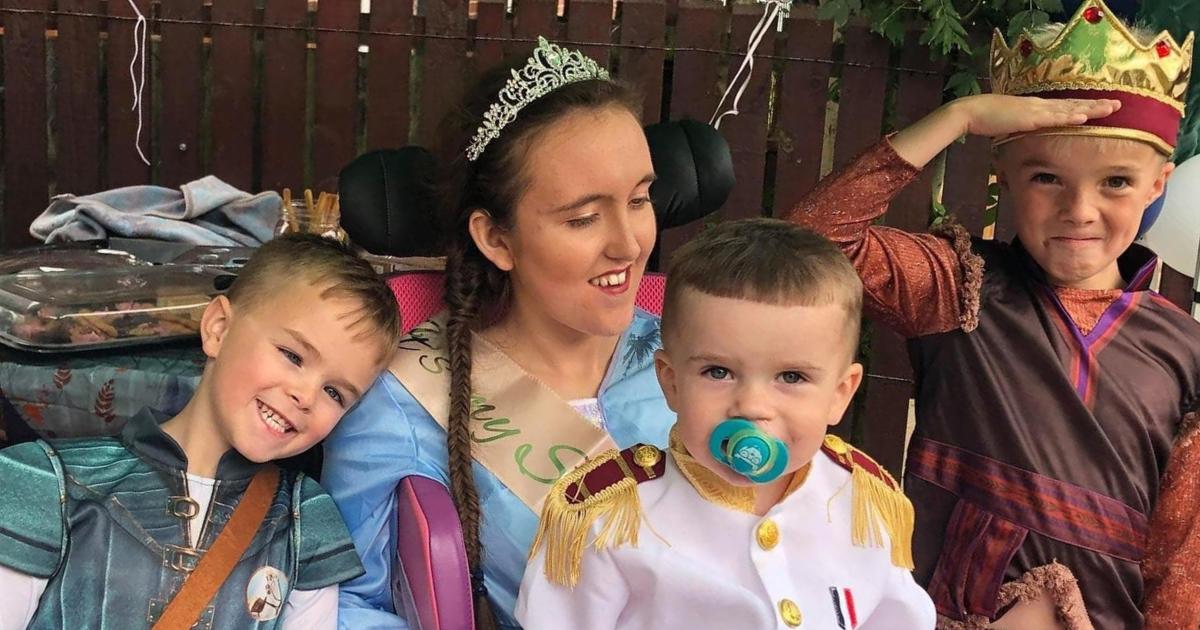
Kelsey with her brothers (Image: Katie Brown)
‘Failures at multiple stages’ says mum
Mrs Brown, who has worked in the care sector, believes the error highlights deeper failures in safeguarding and patient care.
She said: “In my opinion, this raises significant safeguarding concerns.
“I believe there appears to have been failures at multiple stages, including the dispensing and labelling of medication, checks before the medication reached the ward, verification before administration, and timely communication with Kelsey’s family after the error was discovered.”
Kelsey has since undergone toxicology tests to determine whether the overdose has caused any long-term harm.
Mrs Brown said she decided to speak out in the hope of preventing similar incidents and raising awareness about the risks facing patients who are unable to advocate for themselves.
The medication (Image: Katie Brown)
She said: “I am wanting to raise awareness of what can happen when safeguarding processes fail.
“Vulnerable patients who cannot communicate or advocate for themselves deserve the highest standard of care.
“Families should never be left questioning whether their loved one is truly safe in hospital.
“I sincerely hope that by speaking out, lessons will be learned, procedures will be strengthened, and no other family will have to experience the fear, anxiety and heartbreak that ours has endured.”
Bradford Teaching Hospitals NHS Foundation Trust said it is committed to learning from such incidents and to ensuring it keeps families informed.
The spokesperson added: “Providing the best care and keeping patients safe is at the heart of what we do, and we are committed to learning from when something goes wrong and keeping families fully informed.”
Sadly in an update on July 8, Mrs Brown told the T&A that Kelsey is not getting any better and had contracted a chest infection.
On July 10, Mrs Brown informed the T&A that Kelsey had been transferred to a hospice to receive end-of-life treatment.
She added that Kelsey had previously been given a life expectancy of between 15 and 30 years.