
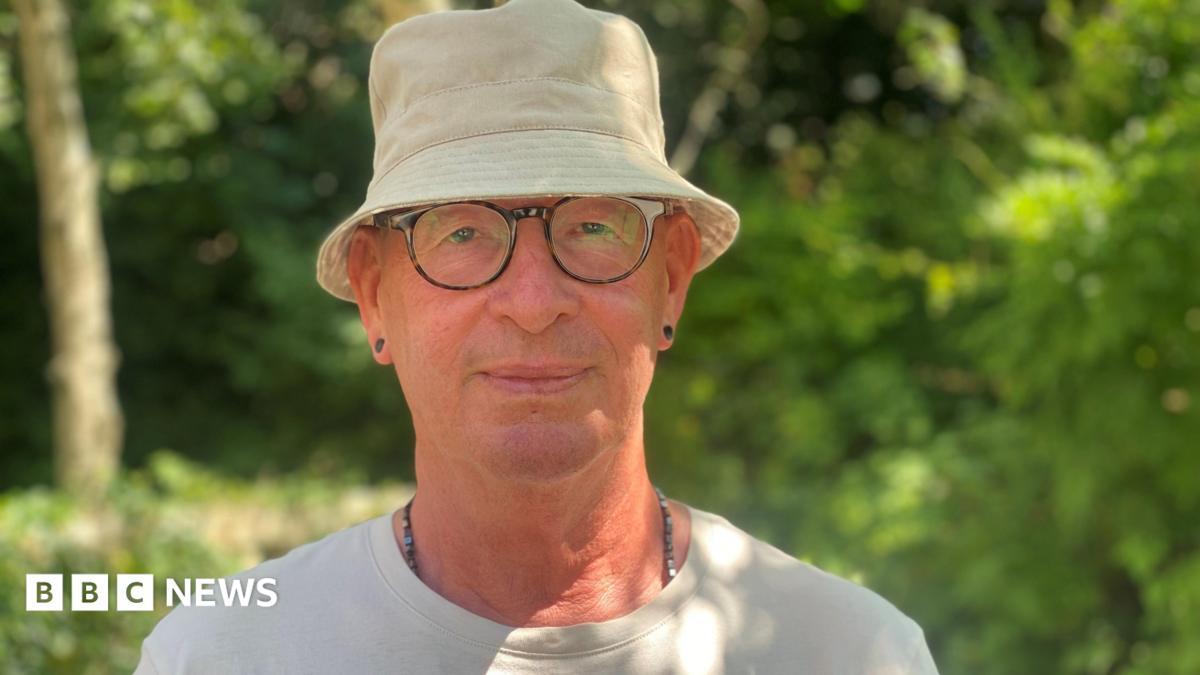
Tracey Buckingham, clinical services & CQC registered manager, says advances in HIV treatment have transformed many lives.
However, she adds, some people are still diagnosed only after becoming seriously ill and continue to need specialist support.
“There’s arguably a whole generation of people who don’t live so well, and are moving into frailty and older age, and they still need services like ours,” she says.
The Sussex Beacon plans to reopen its 10-bed inpatient unit next March, providing palliative care for people with HIV and LGBTQ+ people with other end-of-life needs.
The charity adds 25% of its funding comes from the NHS, with the rest raised through donations and fundraising.
Chief executive Rachel Brett said reopening the ward had brought “a sense of relief” to the HIV community, but warned the financial challenge “remained significant”.
“The gap now is immense,” she says. “It keeps us awake at night knowing whether we’re going to make it or not into the following year.”
While the government has provided £125m for hospice buildings and equipment, hospice leaders say it does not cover rising day-to-day costs.
Sussex Beacon staff say their mission remains the same; to provide specialist care, support and dignity for those who need it most.
Follow BBC Sussex on Facebook, external, X, external, and Instagram, external and listen to BBC Radio Sussex on Sounds. Send your story ideas to southeasttoday@bbc.co.uk , external or WhatsApp us on 08081 002250.