
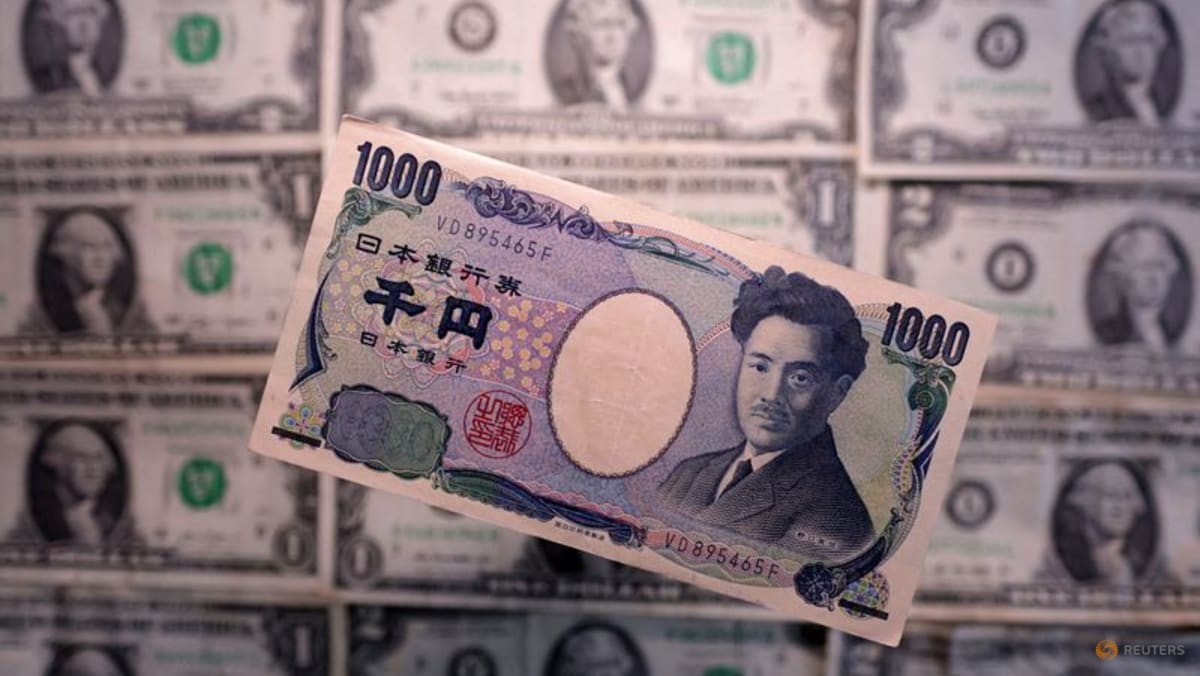
TOKYO, July 14 : The dollar steadied on Tuesday ahead of U.S. inflation data, with Middle East tensions lifting oil prices while the yen held a soft tone amid caution over possible intervention and after policymakers’ comments on state pension fund allocations.
The dollar index, which measures the greenback against a basket of currencies including the yen and the euro, eased 0.04 per cent to 101.23.
Inflation risks remain in the spotlight with the release of U.S. June CPI data on Tuesday, June PPI gauges the following day, and Fed Chair Kevin Warsh’s first semiannual testimony before Congress.
Concerns over escalating tensions between the United States and Iran returned to the fore, with President Donald Trump saying on Monday Washington was reinstating a naval blockade on Tehran and would ensure the Strait of Hormuz remained open for a fee following fresh exchanges of missile and drone strikes.
U.S. and Iranian forces exchanged heavy missile and drone assaults at the weekend, with Tehran striking U.S. facilities in states across the Gulf on Sunday and saying it had again closed the vital Strait of Hormuz shipping route.
Oil prices rose 2 per cent on Tuesday to their highest in four weeks after the U.S. said it would reimpose a naval blockade. Brent crude surged 9.6 per cent in the previous session, its biggest daily gain since May 2020.
The euro was up against the dollar at $1.1388 and sterling gained 0.07 per cent to $1.3355.
Meanwhile, Federal Reserve Governor Christopher Waller said rates may need to rise “in the near term” if data shows inflation remaining well above the central bank’s 2 per cent target.
A core CPI reading of 0.3 per cent or higher would likely imply, depending on PPI data due later in the week, that the Fed’s preferred core PCE deflator is also running at 0.3 per cent or above, said Ray Attrill, head of FX strategy at National Australia Bank, in a podcast.
“That may well be a trigger for a Fed rate hike as early as the July meeting,” Attrill said.
Economists’ median estimate for the June core CPI was 0.2 per cent growth month-on-month.
Fed funds futures are pricing in about 30 basis points of rate hikes by the U.S. central bank this year, according to LSEG data.
YEN UNDER PRESSURE AGAIN
The Japanese yen was roughly flat against the greenback at 162.38 per dollar on Tuesday, having given up most of its earlier gains to 162.31, as traders remained on alert for possible intervention from authorities in Tokyo while the currency languished near 40-year lows.
The Japanese currency briefly strengthened following comments from Finance Minister Satsuki Katayama that Tokyo may consider adjusting state pension fund asset allocations if the environment surrounding asset management changes sharply.
The yen and Japanese bonds had rallied on Friday after Katayama said the government would seek ways to encourage pension funds, including the Government Pension Investment Fund (GPIF), to make greater investments in Japanese financial assets.
Reuters reported on Monday, however, that Tokyo had no imminent plans to change the asset allocations of its state pension funds, tempering expectations of near-term support for domestic assets and prompting the yen to slip against the dollar.
“In order for yen-buying pressure from a review of GPIF’s asset allocation to be sustained, the decision would likely need to be made quickly, and the increases in the allocation to domestic assets would probably need to be at least 5 per centage points” in stocks and bonds each, said Masafumi Yamamoto, chief currency strategist at Mizuho Securities.
“If the increases are only modest, or if the decision-making process takes time, any additional yen buying is likely to be limited,” he said in a note.
The Australian dollar gained 0.07 per cent to $0.6921 versus the greenback. New Zealand’s kiwi strengthened nearly 0.5 per cent versus the dollar to $0.5776.
In cryptocurrencies, bitcoin rose 0.49 per cent to $62,455.94. Ether was up 1.02 per cent at $1,783.63.