
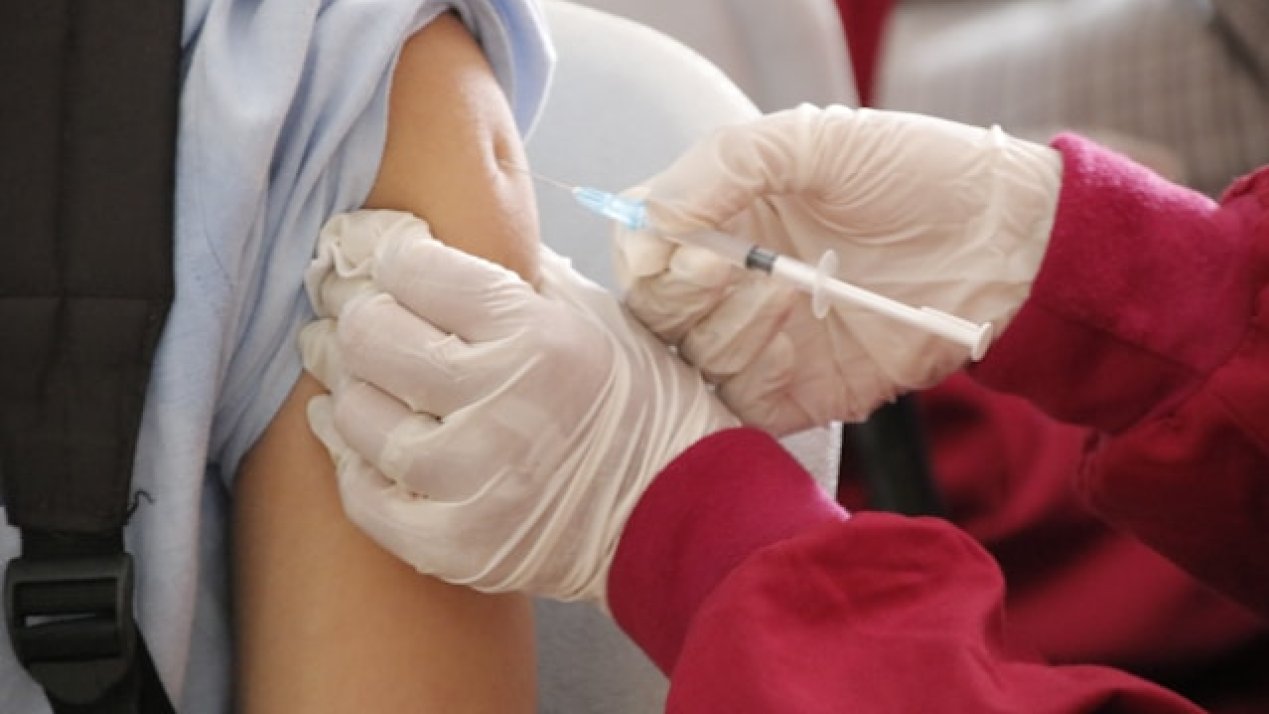
Mexico’s Ministry of Health reported declines in dengue, COVID-19, and measles cases during 2026, linking the trend to expanded vaccination coverage, reinforced epidemiological surveillance, and coordinated federal-state action. The improvement matters for Mexico’s public health and regulatory environment because it follows a 2025 measles outbreak that cost the country its regional measles-free status and strained health infrastructure ahead of the 2026 World Cup.
Mexico’s Ministry of Health reported measurable declines in dengue, COVID-19, and measles cases during 2026, attributing the trend to an expanded vaccination campaign, sustained epidemiological surveillance, and coordinated action among federal, state, and municipal authorities.
The Ministry says vaccination remains one of the most effective tools available to prevent disease, reduce complications, and protect communities, a position consistent with the government’s broader immunization push since the measles outbreak strained the health system ahead of the 2026 World Cup, as MBN previously reported.
The improvement follows a difficult stretch for Mexico’s public health system. Chihuahua and Jalisco absorbed the bulk of a measles outbreak that began in February 2025 and eventually cost the country its regional measles-free status. As MBN reported, the Ministry had administered more than 30 million measles vaccines nationwide by March 2026 as part of an effort to close immunization gaps and restore surveillance capacity. That campaign appears to be translating into fewer confirmed infections five months later.
According to the Ministry’s communiqué, data corresponding to epidemiological week 26 show Mexico registered 3,001 dengue cases nationwide, a decrease of 36.8% from the 4,750 cases reported over the same period in 2025. Severe dengue cases fell from 2,444 to 1,688, a reduction of 30.9%, while the case fatality rate dropped from 0.90% to 0.41%, which the Ministry links to earlier detection and faster medical attention. The Directorate General of Epidemiology publishes weekly dengue surveillance bulletins that track case counts by state and severity.
Respiratory virus surveillance through week 27 showed 855 laboratory-confirmed cases, down 83.9% from 5,320 cases in the same period of 2025 and below levels recorded in 2023 and 2024. The Ministry noted that, although seasonal circulation of respiratory viruses began as expected around week 19, confirmed case volumes have stayed below prior-year benchmarks. Monitoring continues through the Epidemiological Surveillance System for Viral Respiratory Disease.
Measles cases also declined. During epidemiological week 25, authorities confirmed 101 cases nationwide, compared with 254 in the same period of 2025. The Ministry credits the drop to reinforced vaccination campaigns, epidemiological surveillance, and faster response capacity built out across the country over the past year.
On immunization, the Ministry reports that more than 10 million COVID-19 vaccine doses were administered during the 2025-2026 season, prioritizing populations at higher risk of severe illness. An additional 21 million doses of double-viral (SR) and triple-viral (SRP) vaccines were applied during 2026 to protect against measles and reinforce national coverage rates.
The Ministry maintains permanent epidemiological surveillance and rapid-response protocols for newly detected cases. For dengue, officials continue to identify eliminating mosquito breeding sites in homes and community spaces as the most effective preventive measure. For COVID-19, the Ministry recommends that individuals with respiratory symptoms, particularly those in higher-risk groups, seek medical care promptly.
Authorities also renewed a call for parents, caregivers, and the general population to verify and complete vaccination schedules, particularly against measles, in line with the Universal Vaccination Program. The Ministry says it will continue reinforcing prevention, vaccination, epidemiological surveillance, and medical care to limit the impact of communicable diseases and respond quickly to any shift in epidemiological patterns.
The reported declines arrive as Mexico’s health system continues to manage the operational aftermath of last year’s measles outbreak alongside a heavy public health calendar tied to the World Cup, underscoring the role that sustained immunization coverage and surveillance infrastructure play in the country’s broader public health and regulatory environment.