
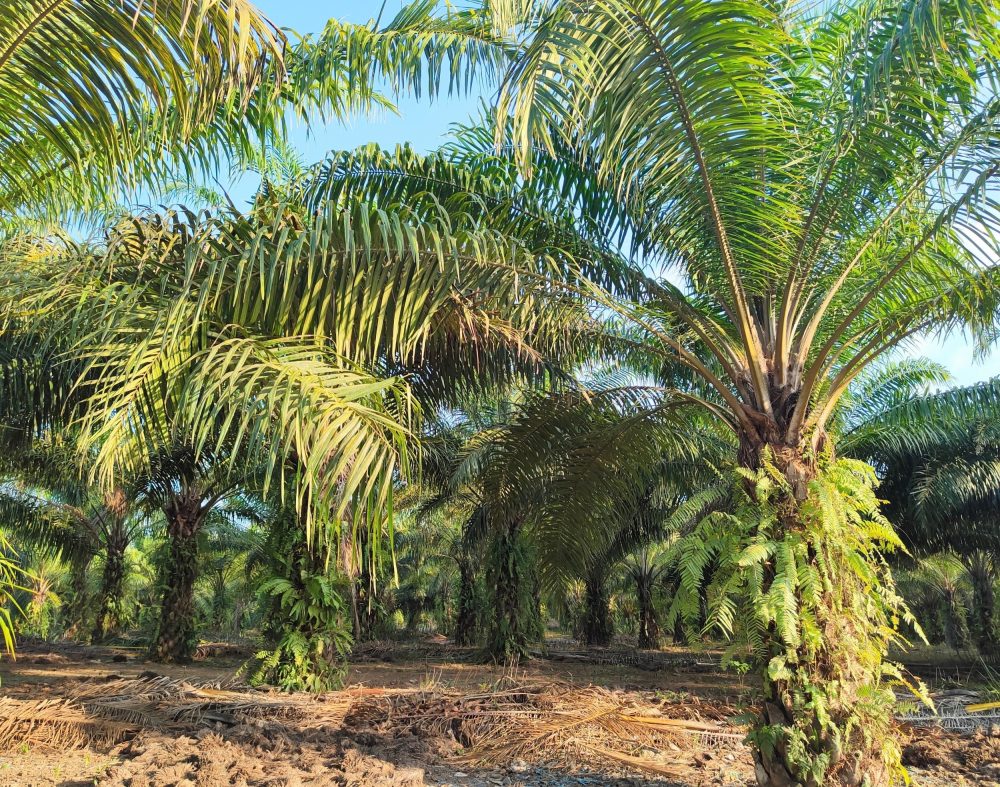
Palm oil is everywhere, tucked into food, cosmetics, detergents, and fuels. It’s also remarkably efficient, squeezing far more oil out of each hectare than crops like soybeans.
But that efficiency has come at a real cost, tied again and again to deforestation, wrecked peatlands, vanishing biodiversity, and a hefty carbon footprint.

New research asks a pointed question: Could China’s climate commitments actually help clean this industry up?
The investigation revealed that palm oil can support climate goals, but only if production steers clear of forests and peatlands.
Real governance, solid monitoring, and technology that’s actually affordable enough to use at scale are also needed.
Buying power can drive change
“China is not only a major palm oil market, but also a potentially powerful driver of change across the international supply chain,” said corresponding author Zhihua Mu from Qinghai University and Hainan Seed Industry Laboratory.
“By improving procurement standards, traceability, carbon accounting, and technology cooperation, China can help encourage palm oil production that is more transparent, resource-efficient, and climate responsible.”
That kind of influence comes down to sheer buying power. China is the world’s second-largest palm oil importer, pulling most of its supply from Indonesia and Malaysia.
The oil shows up constantly in Chinese food products, including instant noodles, baked goods, and fried snacks. It’s just as common in cosmetics and industrial goods.
With that much demand flowing through one country, even modest shifts in Chinese purchasing standards could send ripples all the way back to plantations halfway around the world.
One major climate gap remains
China has committed to hitting peak carbon emissions before 2030 and reaching carbon neutrality before 2060, genuinely ambitious targets that have shaped a lot of domestic policy already.
But the review points to a glaring blind spot: current climate policy is mostly focused on emissions produced within China’s own borders.
It pays much less attention to the carbon released overseas, in places like Indonesia and Malaysia, during the growing and processing of the commodities China imports. Palm oil falls right into that gap.
That oversight creates real, practical barriers. China still doesn’t have unified, mandatory sustainability rules for imported palm oil.
Certification only covers a limited slice of the market, and verifying supply chain claims is often genuinely difficult. The cost of compliance can also shut smallholders and smaller producers out entirely.
Standard carbon accounting methods also routinely leave out emissions from overseas land conversion. As a result, a significant portion of palm oil’s actual climate footprint never makes it into the official numbers.
Technology can help track palm oil
The researchers point to certification, green procurement, deforestation-free sourcing, and stronger digital traceability as places to start.
Combine satellite monitoring, blockchain-based recordkeeping, and supply chain data, and companies and regulators could realistically trace palm oil from a specific plantation all the way to the shelf.
But the authors are quick to add a caveat here: No amount of clever technology fixes this on its own.
Without consistent standards, independent verification, and strong enforcement, even the most sophisticated tracking system produces data that nobody has to act on.
Palm oil waste has real potential
There’s a more hopeful thread running through the review too: Palm oil residues could become the backbone of a genuine circular bioeconomy.
Empty fruit bunches, palm kernel shells, leftover fibers, and mill wastewater don’t have to just pile up as waste. They can be converted into electricity, biogas, biofuels, biochar, and other useful materials.
Of all the options on the table, methane capture and biomass recovery stand out as the most realistic near-term wins.
These technologies already work rather than existing only as new ideas still waiting to be proven.
Where oil palms grow matters
One claim the review picks apart carefully is whether oil palm plantations genuinely function as carbon sinks.
Oil palms grow fast and store real carbon in their trunks, leaves, roots, and the soil around them. But whether that actually helps the climate hinges almost entirely on what was growing there before the plantation showed up.
Plant oil palms on land that was already degraded, and you might genuinely boost carbon storage compared to before.
But clear tropical forests or drain peatlands to make room for them, and you rack up what the researchers call a carbon debt. That debt can be so steep that it takes decades to pay back, assuming it ever fully does.
Making palm oil more sustainable
The authors boil their recommendations down to three core priorities. First, tougher sustainability and traceability rules specifically for imported palm oil are urgent.
Second, international supply chains should integrate carbon accounting that accurately captures emissions instead of quietly ignoring them.
Finally, governments and industry leaders must continue investing in proven technologies like methane capture, residue conversion, and practical monitoring tools.
“There is no single solution that can make palm oil sustainable,” Mu said. “Meaningful progress will require coordinated action across governments, companies, financial institutions, producers, and consumers.”
The review positions China’s Dual Carbon goals as a genuinely significant lever for reshaping palm oil standards worldwide, simply given how much of the market China controls.
But that potential comes with an obvious catch. Without real safeguards and accountability, the gap between climate promises on paper and what’s happening in palm oil country won’t close on its own.
The study is published in the journal Agricultural Ecology and Environment.
—-
Like what you read? Subscribe to our newsletter for engaging articles, exclusive content, and the latest updates.
Check us out on EarthSnap, a free app brought to you by Eric Ralls and Earth.com.
—-