
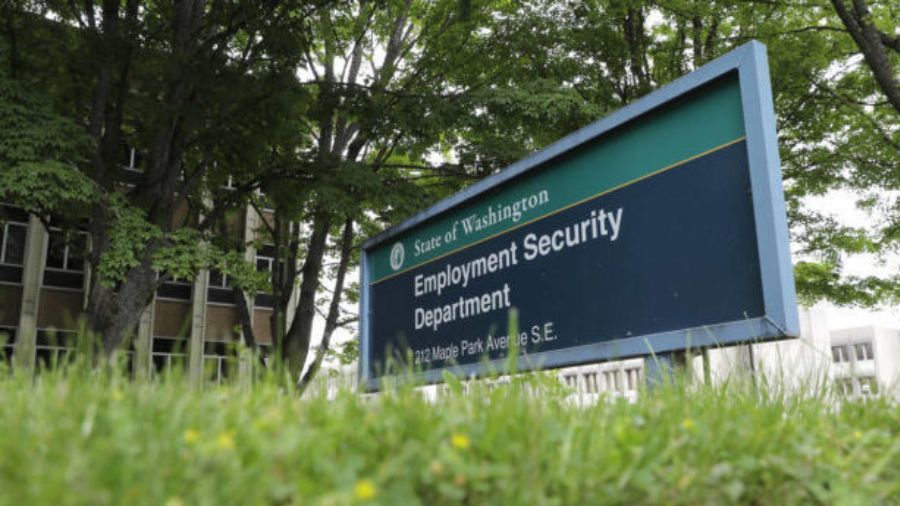
The Employment Security Department of Washington State (ESD) has released its monthly unemployment numbers for June and the results are underwhelming.
The Bureau of Labor Statistics reported an increase of nonfarm jobs since last month by 5,400 and the total job loss (2,400) was below ESD’s expected job lob loss of 6,400. However, that’s essentially where the good news ended.
WA’s unemployment remains higher than the national average
The bad news is that 4,000 of the new nonfarm jobs were in the public sector. On a not seasonally adjusted basis, the state lost 1,200 jobs from June 2025 to June 2026. The silver lining though is that this was the result of 5,100 jobs being lost in the public sector while the private sector gained 3,900 jobs.
“The past several months — in fact, I’d say the past couple years — have really been characterized by a mix of increases and decreases in employment, but overall hovering around a 0% change when we look year to year,” said ESD’s Chief Labor Economist Anneliese Vance-Sherman at a virtual press conference on Wednesday.
The report also revealed that Washington’s unemployment rate of 5.2% is still considerably above the national rate of 4.2%. Vance-Sherman says the chief driver of this was job losses in the tech sector, but the state’s unemployment rate has consistently been higher than the national average since 2022.
Which industries fared better than others
Most of the new 3,900 private sector jobs came in the form of hospitality, manufacturing, transportation, warehousing, and utilities. Restaurants and bars in the Seattle area in particular fared better than many other industries, which Vance-Sherman attributed to the World Cup.
Many of the 5,100 public sector jobs that were lost were state and federal government jobs. The private sector also took a hit in retail trade employment like motor vehicle and parts dealers, building materials, and garden supply stores.
“So overall, we’re really seeing a continued mixed story when we’re looking at industry by industry experiences of the economy, but overall still hovering right around that zero movement compared to where we were at this time last year,” said Vance-Sherman.
Listen to The Jason Rantz Show on weekday afternoons from 3 p.m. – 7 p.m. on Seattle Red on 770 AM (HD Radio 97.3 FM HD-Channel 3). Subscribe to the podcast here. Follow Jason Rantz on X, Instagram, YouTube, and Facebook.
