

July 19, 2026 — 5:00am
Save
You have reached your maximum number of saved items.
Remove items from your saved list to add more.
AAA
Real Money, a free weekly newsletter giving expert tips on how to save, invest and make the most of your money, is sent every Sunday. You’re reading an excerpt – sign up to get the whole newsletter in your inbox.
There’s a good chance that somewhere in your house you have, like me, the document hole. Now I don’t mean a literal hole, but more of a metaphorical one. This could be a drawer, or a corner of a cupboard, or – if you’re really organised – a filing cabinet where all of your “important” documents get shoved on the off chance you might need them someday.
That receipt for a client lunch you forgot to claim on tax four years ago? It’s in the hole. The mechanic’s report and receipt from your most recent car service? In the hole. The letter from your bank telling you your interest rate has increased? Oh, you better believe it’s in the hole.
 Most of us have an ever-growing pile of “just in case” documents stashed away. Michael Howard
It’s a sin we’re pretty much universally guilty of; keeping an important-looking document just because you might need it one day, or it could be important for your tax return next year.
What’s the problem?Related Article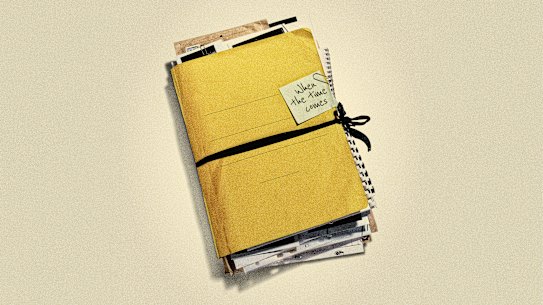
Let me be clear, I’m not getting stuck into responsible record-keeping. Not keeping receipts is a real issue for many workers and business owners, with a study from 2024 showing lost or damaged receipts caused Australians to miss out on a potential $7 billion in unclaimed deductions.
But good record-keeping isn’t just keeping everything even slightly finance-related locked up in the hole because, as a reader emailed me about this week, it can cause all sorts of issues when you or one of your loved ones has to work out what’s actually important to keep, say in the case of your death or an estate dispute.
What you can do about it
So if this has inspired you to finally clean out your ever-growing pile of documents, here’s what you need to know:
Related Article From a tax perspective: According to Mark Chapman, head of tax communications at H&R Block, when it comes to keeping tax-related records, you should only hang on to documents that support a tax return you’ve lodged. We’re talking things like income statements, receipts for work-related expenses, rental property records, investment statements, donation receipts and any records supporting capital gains tax calculations. In terms of how long you need to keep them for, Chapman says the general rule of thumb is five years, though there can often be situations where you’ll need to hold on to them for longer. “Some records must be kept much longer because they relate to an asset rather than a particular tax return,” he says. “For example, if you own an investment property, you should keep records relating to its purchase, sale, legal fees, stamp duty, capital improvements and depreciation for the entire period you own the property, plus at least five years after you dispose of it.” However, for assets you no longer own, or just general deductions you’ve already claimed, once those five years have passed and there’s no outstanding issues, you’re pretty safe to throw them out.For estate planning purposes: As you get older, it’s wise to start thinking about documents that might be relevant to the management of your estate when you pass away. Nicholas Parker, special counsel at Coote Family Lawyers says getting all your documents in one place can be extremely helpful for any of your dependants who might be trying to locate something important after you’re gone. These include copies of your will, recent tax returns, any records for depreciating assets, certificates of title, marriage/birth/death certificates, trust deeds, loan documents and any instructions on your burial or cremation. “Always keep executors informed about where original documents are stored – in a safe, with your lawyer, etc,” Parker says. “Keeping important information for family and executors in one spot (even if that is a computer file or a physical file) can be very valuable.” Almost all of these records are or can be stored online, so the most important things to record are any relevant logins and passwords for your online services, including any two-factor authentication methods. Chapman says also to keep an eye out for any documents that establish the cost base of assets, such as contracts of sale or renovation records, as they can make a significant difference when beneficiaries eventually sell inherited assets and need to calculate capital gains tax.How to keep good records: If this has inspired you to treat record-keeping in a more serious manner, then good! The best step you can take is to fish out all your documents from wherever you have them stashed, get rid of all the ones you don’t need, and then digitise the rest. Going digital is the best way to vastly improve your record-keeping, Chapman says. “Scan receipts as you receive them, store documents in cloud storage and keep everything organised by financial year,” he says. “Many people still rely on paper receipts stuffed into drawers or shoeboxes. Thermal receipts fade surprisingly quickly, so by the time you need them they can be completely illegible. Keeping digital copies is a much safer approach.” And when it comes to those digital copies, sort them into year and category, such as investments, deductions, sale contracts etc. And finally, please, PLEASE back them up, preferably in at least three locations including somewhere in the cloud. You (and your dependants) will thank you!
Advice given in this article is general in nature and is not intended to influence readers’ decisions about investing or financial products. They should always seek their own professional advice that takes into account their own personal circumstances before making any financial decisions.
Save
You have reached your maximum number of saved items.
Remove items from your saved list to add more.
 Dominic Powell is the Money Editor for the Sydney Morning Herald and The Age.Connect via X or email.From our partners