
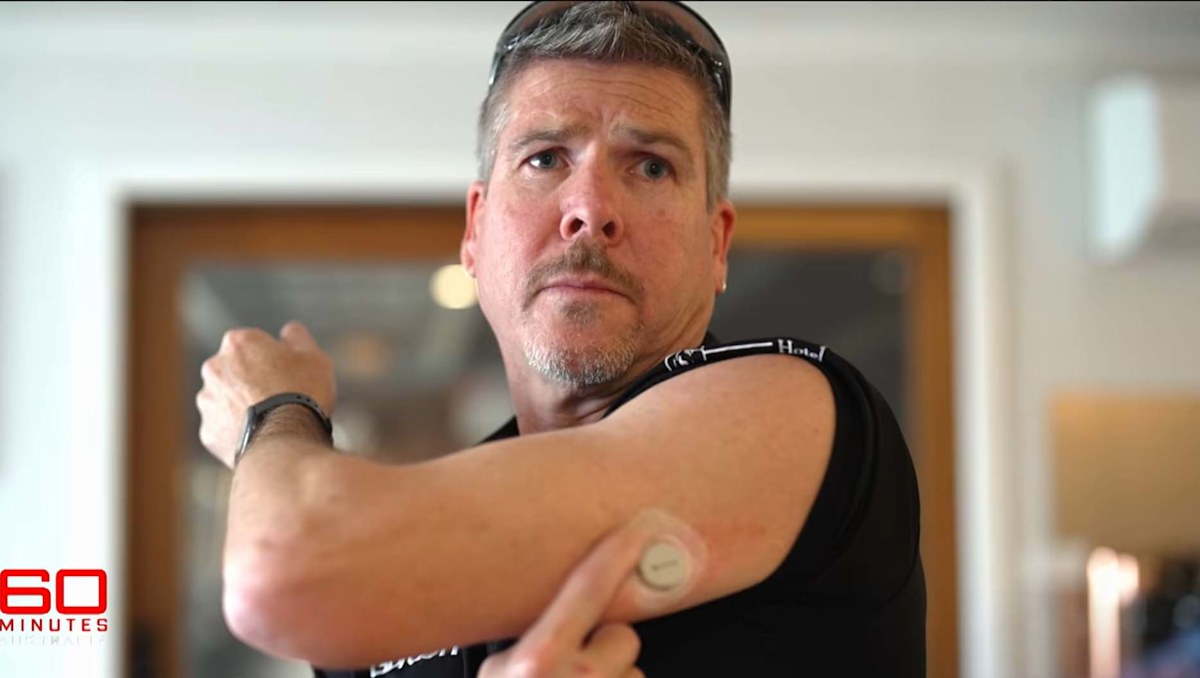
There’s no question medical devices implanted or attached to the body – things like pacemakers, pain relief pumps or glucose monitors – are a significant advance in medicine.
When they work as their manufacturers claim they should, they improve and save lives.
TGA and manufacturers respond to 60 Minutes investigation into medical devices Nine
But as 60 Minutes reveals in this joint investigation with The Age andThe Sydney Morning Herald, when the devices don’t work, the exact opposite is true.
Remarkably, every year there are 150,000 incidents where Australians require hospital treatment because medical devices that are meant to help cause harm instead.
So why is that number so high?
As Dimity Clancey reports, it seems the Therapeutic Goods Administration, the health watchdog Australians rely on to keep them safe, is simply not up to the job of adequately testing the thousands of devices it approves for use here every year.
Statement from the Therapeutic Goods Administration
Every day, millions of Australians benefit from access to and use of medical devices.
The Therapeutic Goods Administration (TGA) is responsible for ensuring medical devices are safe and perform as intended. By taking a risk-based approach to the regulation of medical device, and aligning with comparable overseas regulators, this minimises duplication and balances safety with access to medical devices.
The oversight of medical devices by the TGA occurs for the entire lifecycle of a medical device. The TGA continuously monitors the safety of products after they are included in the Australian Register of Therapeutic Goods (ARTG).
All medical devices are subject to the TGA’s regulatory controls including pre-market assessment, post-market monitoring, compliance activities, inspections, recalls and other market actions. When there are issues or concerns, the TGA has enforcement powers such as imposing conditions on the supply of products and suspending or removing products from supply.
No medical device is without risk, and patients should discuss the benefits and risks of treatment using a medical device with their healthcare professional. A Medical Device Consumer Working Group helped to develop materials to support consumers to have these discussions with their healthcare professional. These materials are available on the TGA website.
Information about post-market actions, including relevant information for patients, carers and healthcare professionals are available on the TGA website. This, coupled with publication of adverse event information in the Database of Adverse Event Notifications – Medical Devices (DAEN), provide transparency to the public about the safety and performance of medical devices.
Through education and legislative change the TGA has increased adverse event reporting significantly. This has supported it to identify emerging trends and safety signals.
All consumers, healthcare professionals or hospitals who find a problem with a medical device or experience an adverse event are encouraged to report it directly to the TGA.
Providing the Australian public with information about the safety and performance of medical devices is an important part of the TGA’s transparency. Information related to post market activities for medical devices is available on a dedicated post-market page on the TGA website.
Framework
Australia’s medical device regulatory framework is designed to ensure that the benefits of a device outweigh its risks when used for its intended purpose. Australia’s medical device framework is risk-based and applies greater regulatory scrutiny to devices that present higher potential risks to patients.
The level of pre-market assessment and evidence required depends on the potential risks associated with a device. Australia also uses evidence and certifications from trusted overseas regulatory systems where appropriate. This allows the TGA to avoid unnecessary duplication of assessments by comparable regulators and focus regulatory resources on higher-risk devices, emerging safety issues and post-market surveillance activities.
The TGA’s oversight continues once a device is included in the ARTG with all medical devices subject to ongoing risk-based monitoring. This includes mandatory reporting of adverse events from sponsors of medical devices as well as Australian healthcare facilities.
The TGA reviews adverse event reporting by members of the public, healthcare providers, sponsors and healthcare facilities in addition to surveillance of emerging clinical and scientific evidence, information received from overseas regulators, and targeted compliance activities. Where appropriate, the TGA undertakes further investigation or regulatory action.
Use of clinical evidence
All approved medical devices must be supported by clinical evidence demonstrating safety and performance for their intended purpose. The clinical evidence required for a medical device depends on the device, its intended purpose and the level of risk it presents.
Clinical investigations involving human participants are one source of evidence, but they are not the only type of evidence that can determine whether a device performs as intended and that its benefits outweigh its risks. Published literature and evidence from equivalent devices are internationally recognised sources of clinical evidence and form part of regulatory frameworks used by comparable regulators globally. Evidence may include published scientific literature, clinical experience, post-market data and evidence from equivalent devices where appropriate.
The level and type of evidence required is proportionate to the risks presented by the device. Higher-risk and novel devices are generally subject to greater evidence requirements. Requiring a new clinical investigation for every medical device would not be proportionate and, in some circumstances, may be inappropriate or unethical where sufficient evidence already exists.
Conformity assessments and audits
All medical devices must be supported by conformity assessment evidence demonstrating compliance with applicable requirements for safety, quality and performance.
Manufacturers of medium and high-risk devices can choose to undergo a TGA conformity assessment or utilise comparable conformity assessment evidence. The use of reliance and recognition mechanisms for conformity assessment is consistent with World Health Organization global regulatory practices. Where appropriate evidence from trusted overseas regulatory systems is available, the TGA may accept that evidence rather than duplicating an extensive assessment that has already been undertaken. This approach is possible where the regulatory requirements and assessment processes are aligned. The same conformity assessment methodology is used by the TGA and comparable overseas regulators, ensuring they are equally robust.
If the TGA is uncertain, we can audit any application to verify the comparable regulator’s assessment. Both conformity assessment and application audit involve assessment of evidence and documentation to verify compliance with regulatory requirements and rarely involve routine physical testing of individual devices by the TGA. Where issues are identified, testing can be requested and/or undertaken by the TGA. The TGA also has an annual testing program that includes both medical devices and medicines.
Use of comparable international regulators
Australia uses approvals and certifications from trusted overseas regulatory systems, including the European Union, as part of a risk-based framework used by many comparable international regulators. Since 2020, the EU has put in place more stringent requirements and monitors the new notified bodies closely, including close management of potential conflicts of interest. The TGA remains responsible for regulatory decisions made in Australia and for ongoing post-market monitoring and regulatory action where required.
The WHO strongly supports and encourages reliance between regulators. Recent public consultations issued by the EU and UK support these efforts. A number of countries participate in the Medical Device Single Audit Program, and countries including Singapore and Brazil accept TGA conformity assessments.
Medical Device Single Audit Program | Medical Device Single Audit Program (MDSAP)
The use of overseas evidence allows regulatory resources to be focused on higher-risk products and emerging safety issues while supporting timely access to medical technologies.
Comparisons with medicine regulation
The way the TGA regulates medicines is different to medical devices and these differences are set out in legislative instruments. Comparisons between the number of medical devices and medicines do not account for the broad range of medical device classifications and risk profiles and the reliance framework.
Medical devices range from low-risk products such as dressings and tongue depressors through to implantable and life-supporting technologies. Regulatory requirements and scrutiny are proportionate to the risks posed by the device. The TGA participates in international regulatory collaboration and uses a range of pre-market and post-market regulatory tools to oversee the medical device sector.
Device changes
Manufacturers and sponsors have ongoing regulatory obligations in relation to device changes. Whether a change requires regulatory action depends on the nature of the change and its impact on the device and patients. The TGA receives information from sponsors and manufacturers, conducts compliance activities and post-market monitoring, and considers information from comparable overseas regulators as part of its ongoing oversight of medical devices.
Adverse event reporting
The TGA provides significant information related to the post-market safety of medical devices on its website. The DAEN is publicly available and searchable. The TGA has responded to every media enquiry and FOI request regarding DAEN data and has provided information on how the database can be searched and interpreted. Analysis of the data is best undertaken by the user of the database.
The DAEN is neither a case management system nor an analytical tool for detecting safety signals. It is a database to allow the public access to adverse event reports the TGA has received since July 2012. The DAEN does not contain all known information concerning a medical device, and an assessment of the safety of a medical device cannot be made based on the information contained in the DAEN.
The TGA manages adverse event reports via the Medical device Incident Reporting and Investigation Scheme (IRIS). This system is separate to the DAEN. More information related to how the TGA manages adverse events is available on the TGA website.
The TGA notes figures presented by The Age about the underreporting of adverse events published in 2019. The publication of this research predates substantial reforms to Australia’s post-market framework in response to the Action Plan on Medical Devices. The statistic does not reflect the current Australian reporting environment, with more than a four-fold increase in adverse event reporting since the paper was published.
Adverse event reporting has increased significantly due to the TGA’s efforts to make reporting easier, increase education amongst the public and healthcare providers, as well as undertake a number of legislative reforms. Sponsors of medical devices continue to have obligations to report adverse events to the TGA. To further strengthen the information available to the TGA, in March 2023 new legislation came into effect making it mandatory for all Australian healthcare facilities to also report medical device adverse events to the TGA. This increase in surveillance information assists the TGA to identify emerging trends and safety signals. TGA undertakes its work, including the distribution of its resources, using a risk-based approach. This includes the allocation of staff for work related to medical device adverse events.
The TGA uses a range of measures in addition to adverse event data to monitor the safety, quality and performance of medical devices. The TGA has most recently enhanced and put in place additional measures such as Unique Device Identification to strengthen post-market monitoring. Additionally, the TGA continues to review the scientific literature and work closely with international regulators, healthcare facilities and state and territory governments to ensure the ongoing safety and performance of medical devices.
Additional reforms to increase the information available to the TGA to address the safety and performance of medical devices, including adverse event reporting, are ongoing.
Statement from Medtronic, manufacturer of Synchromed
We understand that any report involving a negative patient experience can be deeply concerning, and our thoughts are with the individual and their family. Patient safety is our highest priority, and we take all adverse event reports seriously. Medtronic is committed to working closely with healthcare professionals and regulators to ensure appropriate investigation and follow-up where required.
Re. SynchroMed™ clinical effectiveness and safety
SynchroMed™ II was registered by the TGA in 2003, and the device is based on long-established, clinically validated SynchroMed™ technology. SynchroMed™ was first approved in 1988 by the FDA and there is a broad body of clinical evidence and data supporting its safety and effectiveness.
There is pre-2003 data on SynchroMed™ that is publicly available, but we note that such evidence is from more than 20 years ago. Since then, there has been more recent evidence that reflects current surgical techniques and technology. Please see below for some publications on the clinical evidence and data for SynchroMed™ II that are open source (i.e., not behind a publisher paywall).
Publicly available data demonstrates that the incidence of spinal cord injury associated with the SynchroMed™ system is extremely rare, and we believe the benefits of this technology outweigh its risks.
It is important to note that medical devices and technologies are approved or registered based on the totality of clinical evidence and data, not solely on whether a new pre-market clinical trial has been conducted. Clinical evidence may include data from predicate devices, published literature, post-market data and clinical trials.
Statement from Insulet, manufacturer of Omnipod
“Patient safety is Insulet’s highest priority, and we take any report of an adverse event extremely seriously. Omnipod is supported by extensive clinical evidence and real-world experience across geographies demonstrating its safety, effectiveness and quality-of-life benefits for people with diabetes. We review and investigate reports through our post-market monitoring process, including reporting to the Therapeutic Goods Administration, and remain committed to delivering safe, high-quality solutions that ease the burden of diabetes management and support better outcomes for patients.”
Watch the full episode of 60 Minutes on 9Now.