
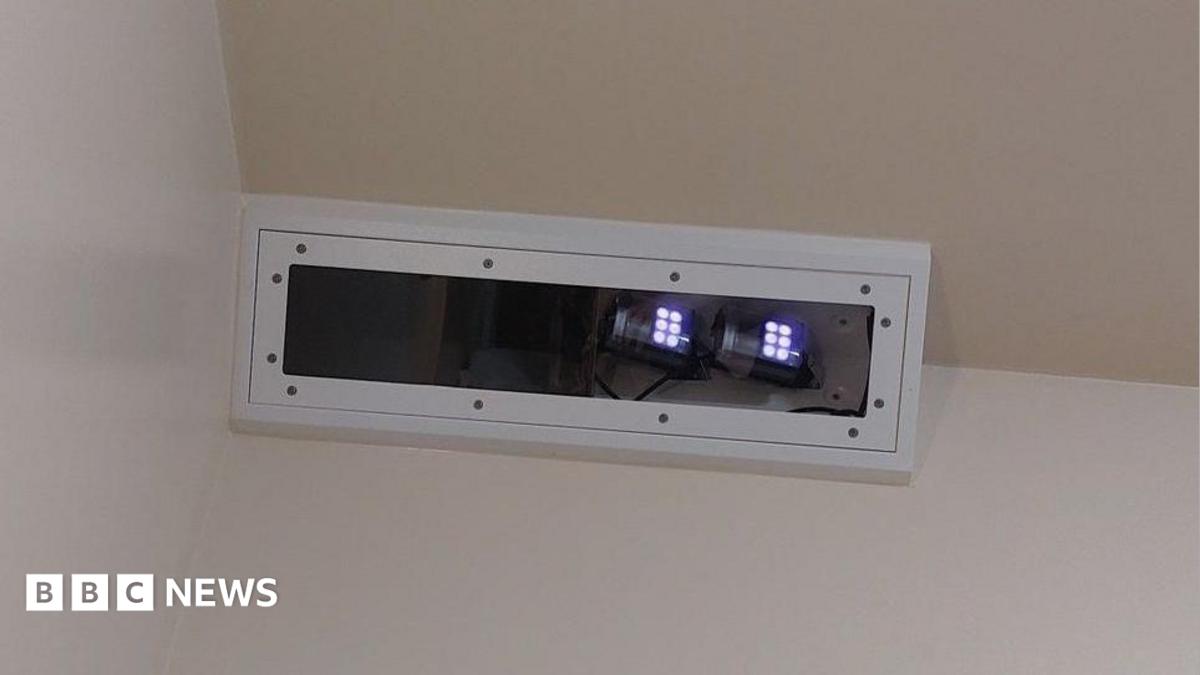
In Leicestershire, it was piloted from December 2022 to February 2023 then again from November 2024 to January 2025.
The first pilot adopted an opt-out model and the second pilot was opt-in – following advice from NHS England – and this consent was re-visited weekly.
Andres Freire-Patino, deputy director of mental health services at LPT, who began working at the trust in 2023, told the inquiry that one of the aims of the pilot was to test whether Oxevision could support patients getting a better night sleep.
Oxevision can digitally track pulse rates and breathing rates, so this does not need to be done in-person and disturb patients throughout the night.
Freire-Patino said: “Sleep is incredibly important in terms of people’s recovery from mental health.”
However, the inquiry heard one patient – a pregnant woman – slept in an interview room as she refused to stay in a bedroom with Oxevision, even with it off.
Freire-Patino said there were a number of reasons why they decided not to use the technology, but one was only 42% of patients consented to its use during the second pilot.
The inquiry heard while sleep hygiene improved for certain individuals at the Leicestershire trust, there was no reduction in the use of one-to-one observations, no evidence of released staff time, and no measurable reduction in incidents or length of stay.