
Previous Slide◀
Next Slide▶
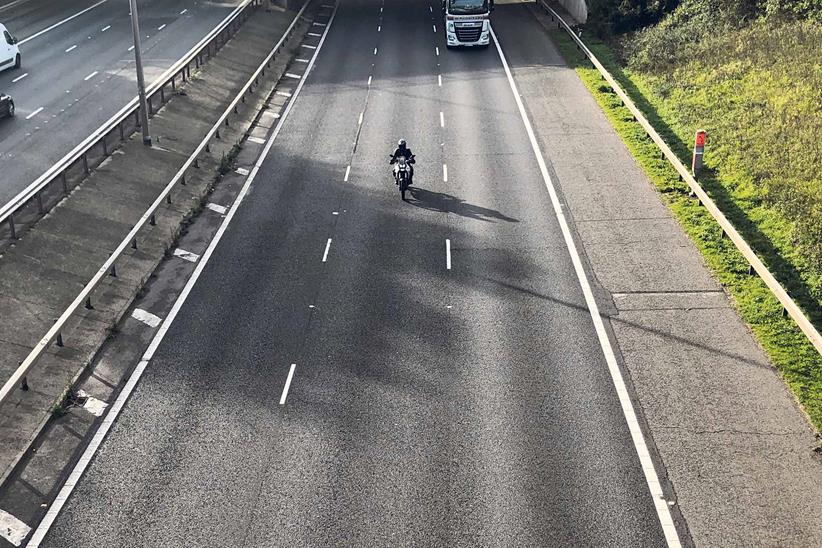
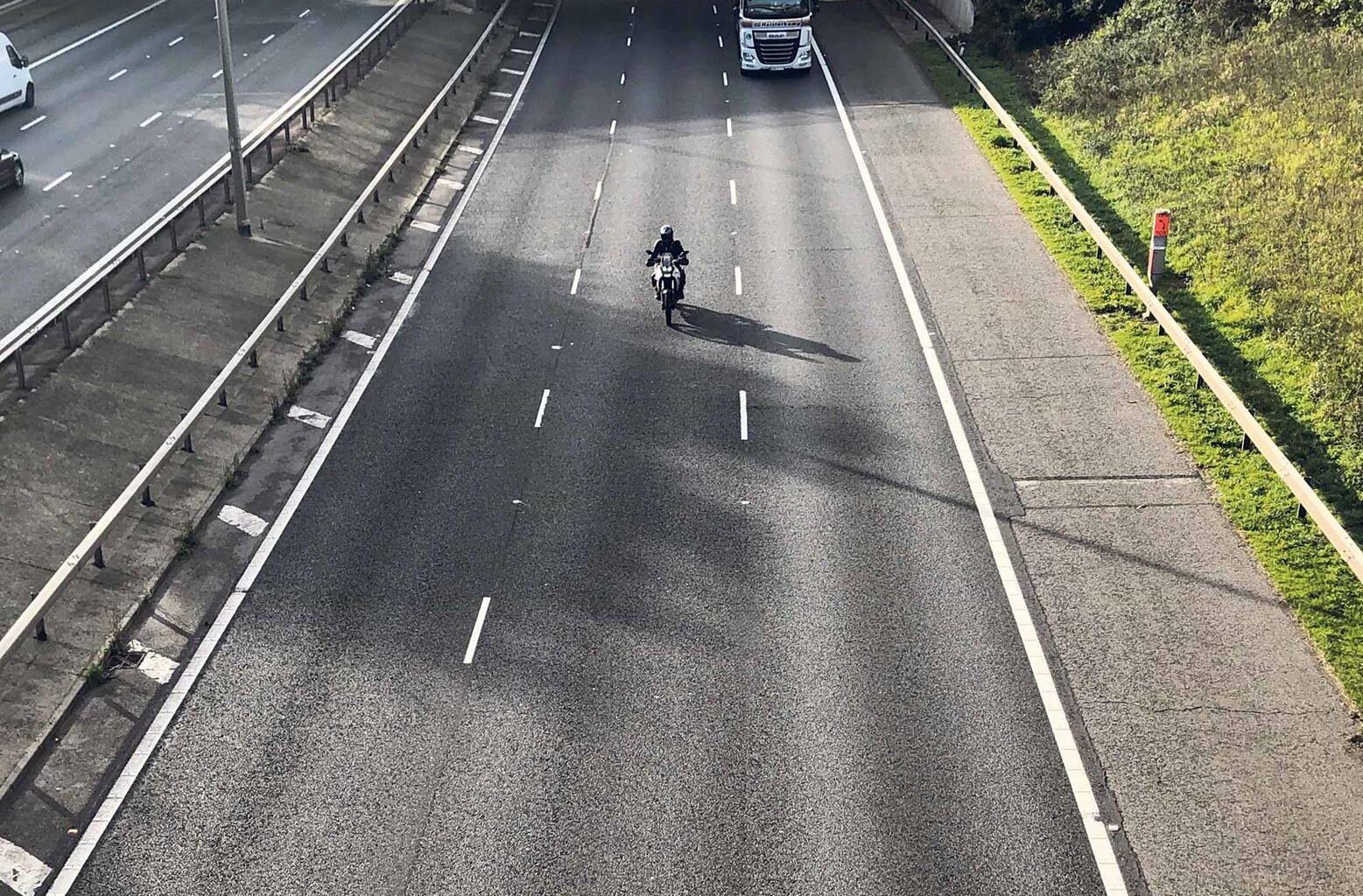
A motorcyclist on a motorway
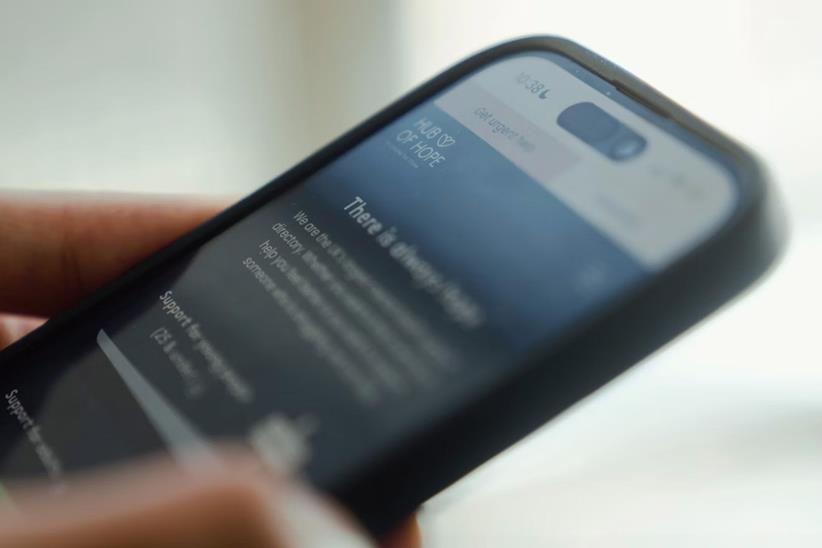
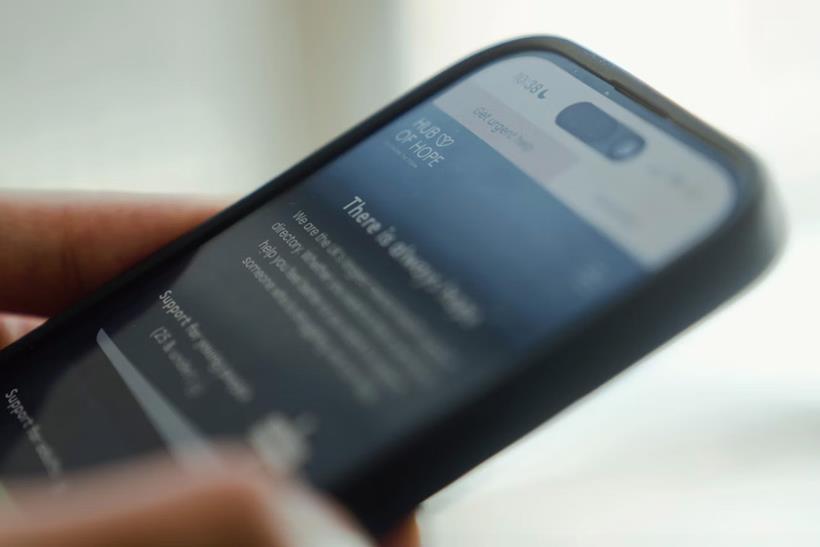
The Hub of Hope app in action
1 of 2
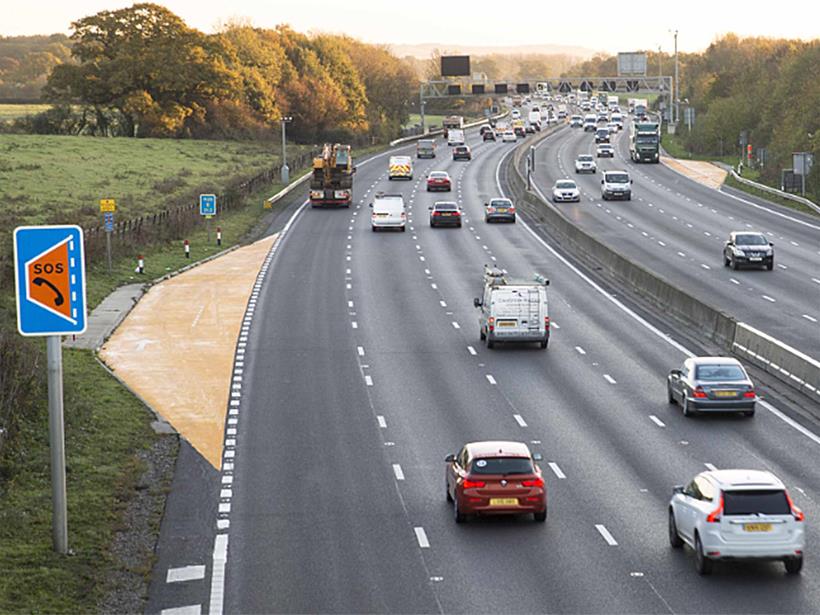
National Highways have teamed up with mental health charity Chasing the Stigma to trial roadside signs that connect people to support before they reach crisis point.
The 12-month pilot will see QR code-enabled signs fitted at key locations on the strategic road network across parts of Sussex and Hampshire. Scanning a code takes road users straight to the charity’s Hub of Hope platform, which brings together more than 14,000 local and national services offering advice, counselling and specialist support.
National Highways estimates that around 50 suspected suicides happen on the strategic road network every year – roughly one in five of all fatalities recorded on the network. Its traffic officers and regional operations teams regularly deal with welfare concerns and incidents involving vulnerable people on England’s motorways and major A-roads.
The idea is to make help more immediate, encouraging anyone struggling to seek support before things escalate.
“We know mental health is complex and not something we can tackle on our own,” said National Highways’ Suicide Prevention Lead, Nicola Tweedie. “We don’t want anyone to come to harm on our roads, which is why working with Chasing the Stigma is so important. It allows us to bring together the right expertise to better support people who may be struggling.”
She added: “Access to help at the right moment can make all the difference. By making it easier for people to find support quickly, we hope to help people get the help they need sooner and, most importantly, before things reach crisis point.”
Chasing the Stigma, which built the Hub of Hope platform, believes putting information directly on the road network could remove barriers that stop people asking for help.
Chief Executive and founder Jake Mills said: “We’re incredibly proud to be partnering with National Highways. By working together to provide signposting to the Hub of Hope through signage across the road network, we’re making it easier for people to find help, wherever they are.
“Together, we want everyone to know that support is available, and that nobody has to face their mental health challenges alone.”
National Highways will assess how well the pilot works over the next 12 months, with the findings used to decide whether the scheme could be rolled out more widely across England’s motorway and major A-road network.
Mental health in the motorcycling community
The trial reflects a wider push to tackle mental health among road users, something the biking world has increasingly rallied behind.
In June 2026, Paul Oxborough, CEO and founder of the Mental Health Motorbike charity, was awarded an OBE in the King’s Birthday Honours for services to charity and mental health. Oxborough started the organisation in October 2019 after losing his 38-year-old friend Dale Caffrey to suicide.
Speaking to MCN, Oxborough highlighted the scale of the problem. “Sadly, the suicide rate is shocking; you’re looking at about 7000 people a year, and for every suicide, 123 people on average are affected by that suicide. So that’s about a million people every year that are affected by the loss of those people.”
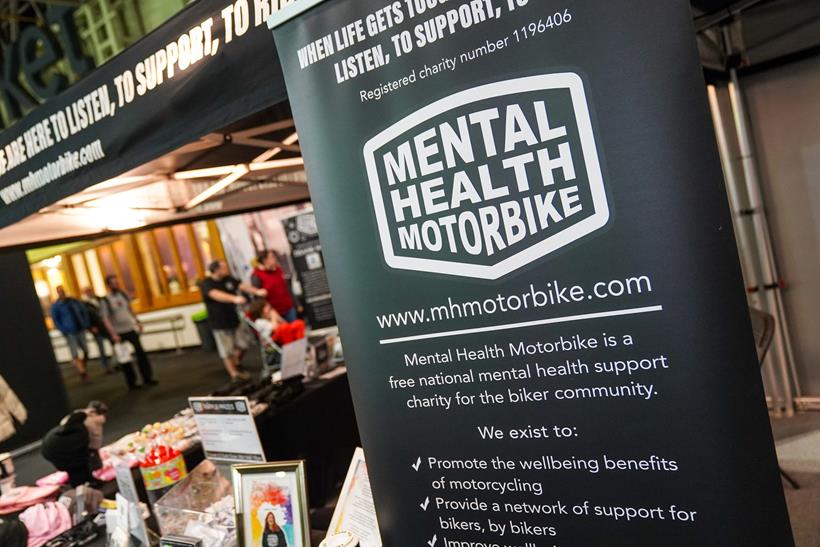
The charity has since trained more than 1250 bikers in mental health first aid and runs an online peer support group with over 5000 members, available 24 hours a day, seven days a week. Its volunteers now attend around 500 events a year.
Mental Health Motorbike has also been rolling out wellbeing hubs – destination venues where trained mental health first aiders are on hand. The National Motorcycle Museum became the main hub in England, with five members of staff trained, including Museum Director James Hewing. The long-term aim is to have a hub in every county, with as many as 50 across the UK.
As Oxborough puts it: “If you’re prepared to stop for a bike that’s broken down, you should still be willing to help when the rider’s head has broken down.”
Anyone in need of help and guidance can visit either Mental Health Motorbike, the Hub of Hope, or the Samaritans website.
The MCN take
Sadly, poor mental health is something many bikers encounter in their lives – be that first hand or less directly through a friend or family member. Anything that could help someone at their time of greatest need is a welcome strategy as far as we’re concerned.