
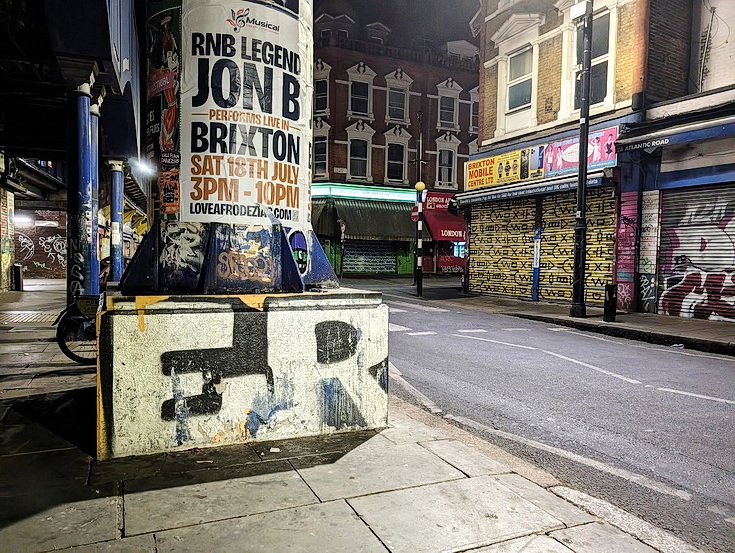
Fly-posting has been a part of London life since Victorian times, when business owners, theatre promoters and political campaigners employed shady teams to plaster their message on walls and doorways.
In a Brief History of Fly-posting, Alwyn Turner explains how the industry grew:
At this stage in the mid-19th century, the putting up of posters in Britain was entirely unregulated.
Businesses, theatre companies or individuals who had a message they wanted to see displayed went to one of the professional bill-posters who would paste them up wherever he could.
As the trade increased, so too did the competition for the best sites, with disputes settled as often as not by physical violence.
In the early-1860s Edward Sheldon, who had taken over a bill-posting business in Leeds from his father-in-law, was so badly beaten in a fight with his rivals, Wood & Holdsworth, over a particular site that, fearing he might actually lose his life in a future conflict, he hit upon a radical idea: he rented the wall from its owner and thereby gained the exclusive right to put posters upon it.
Thus began the division between paid-for sites and fly-posting, the practice of putting up posters on sites that hadn’t been authorised, an activity that was always of dubious legality at best.
By the 1970s, the London fly-posting industry was under the iron grip of shadowy characters like Vince Stitt and Terry ‘the Pill’ Slater, and woe betide any rival gangs who had the audacity to start operating in their area or – worst of all – stick their posters on top of their work.
Even bands who had over-enthusiastically fly-posted their gigs on patches ‘owned’ by the pro gangs could expect a visit and a strong recommendation that they desist.
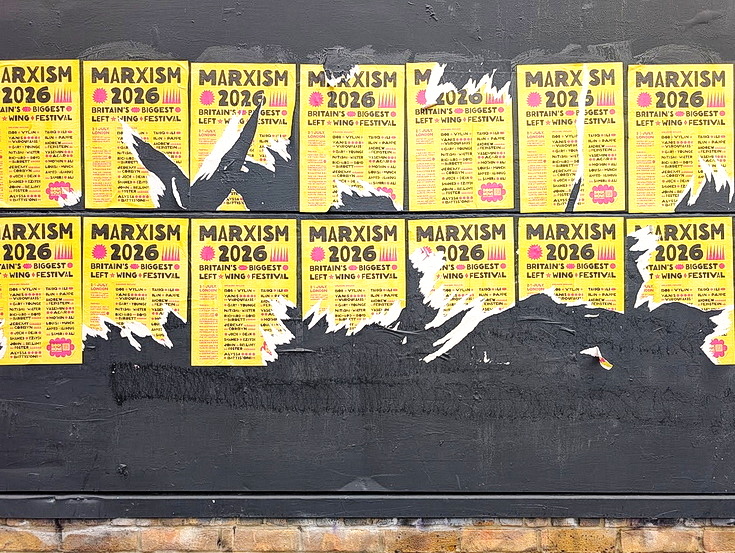
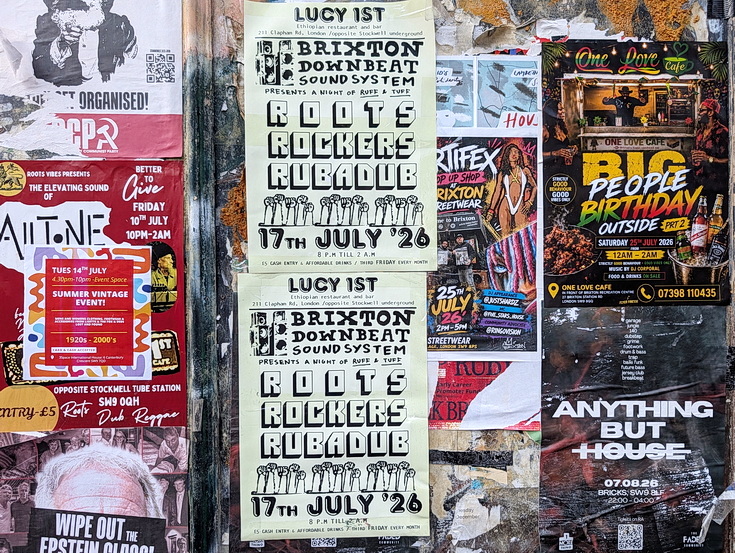
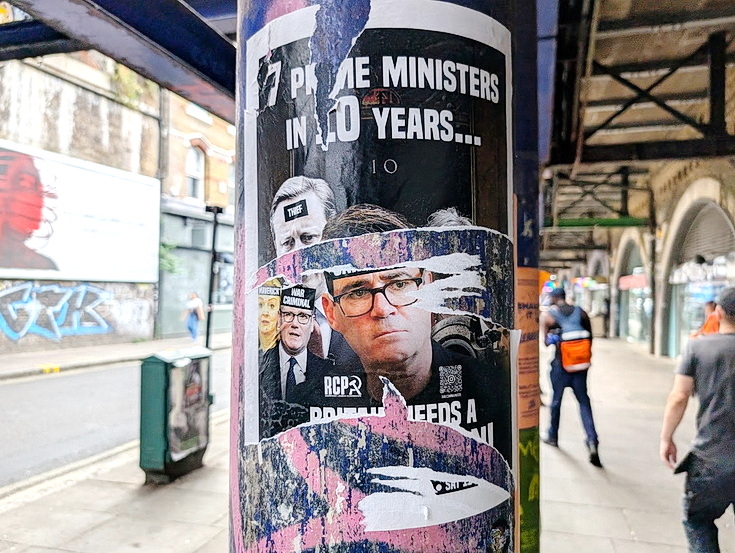
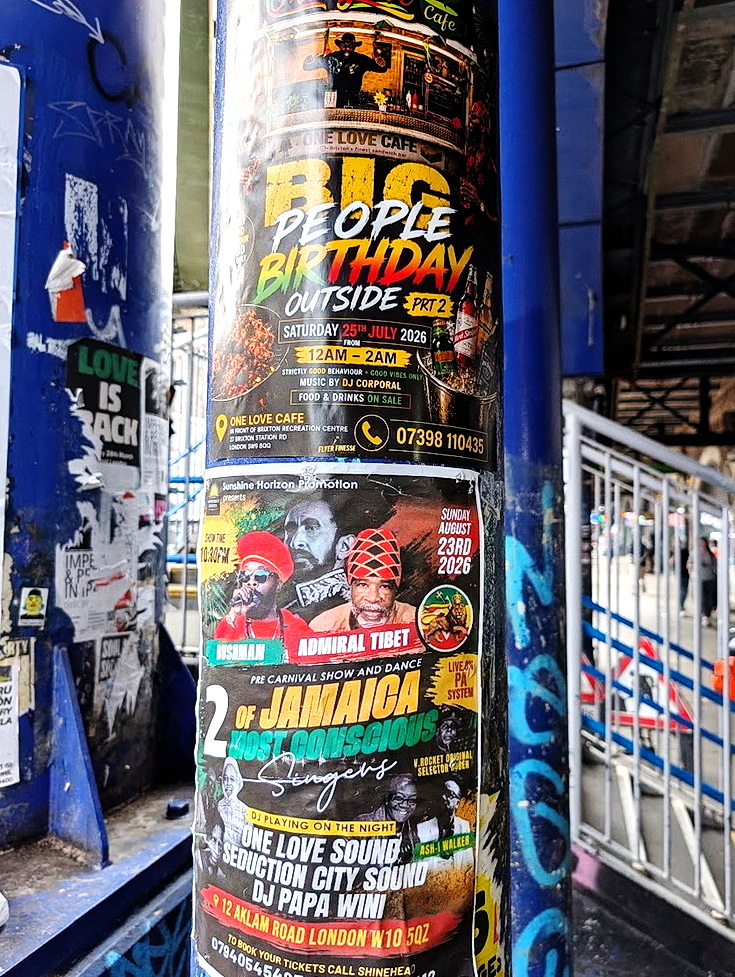
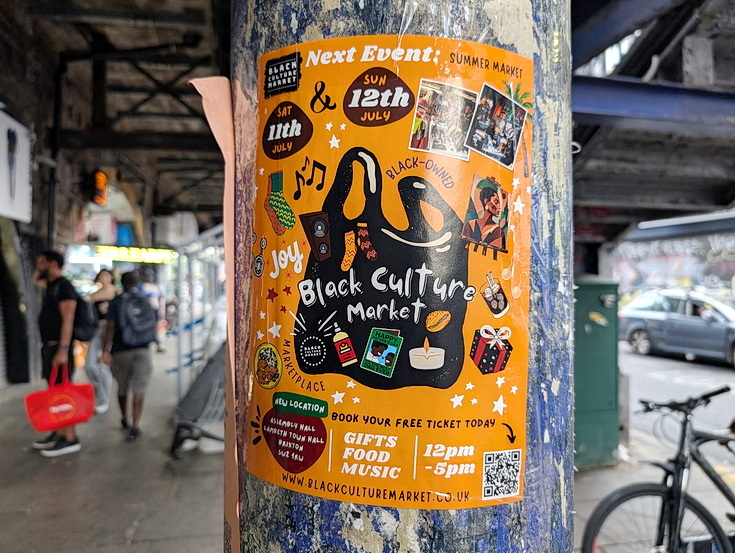
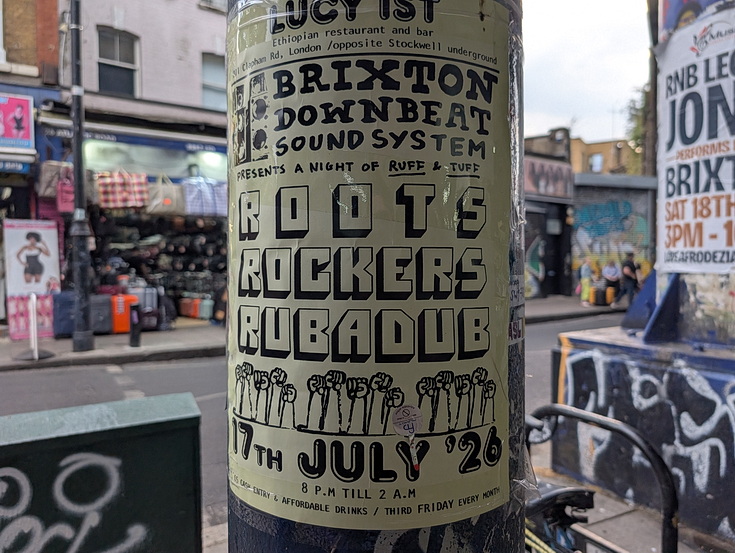
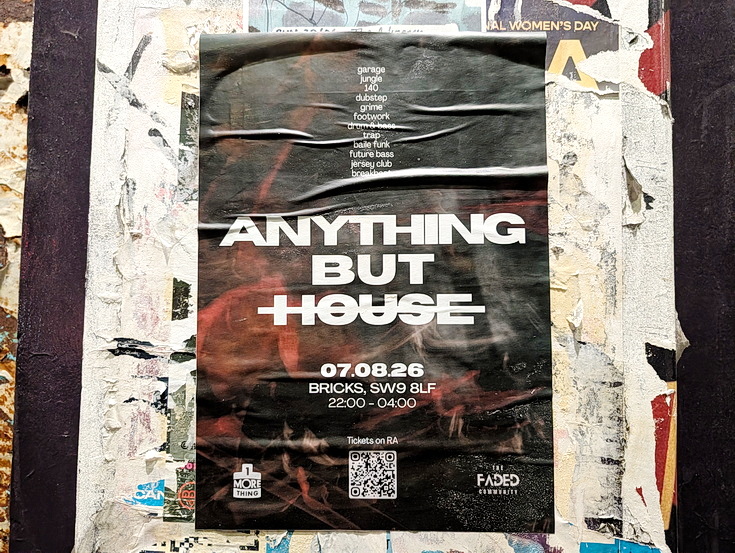
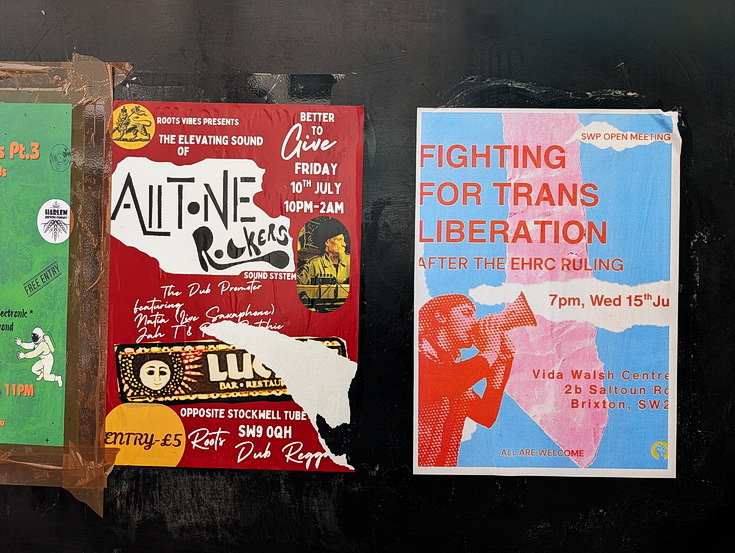
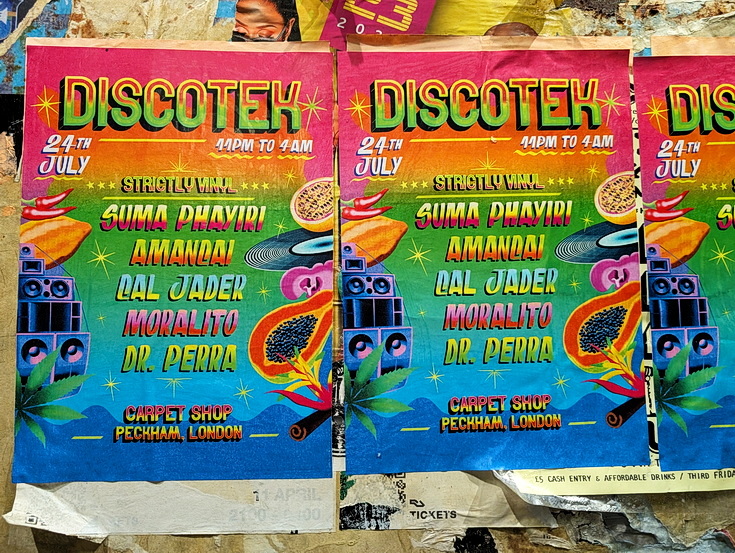
Nowadays, social media has made fly-posting less compelling as a promotional tool, although there’s still plenty of examples to be seen on the streets of Brixton.
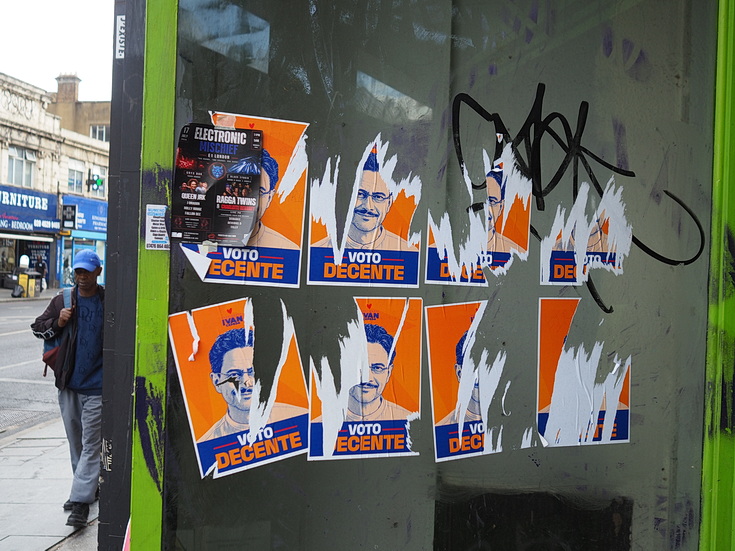
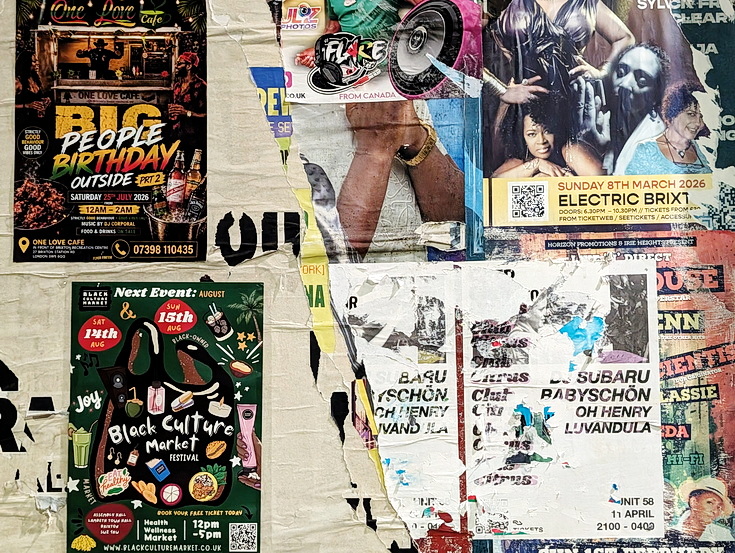
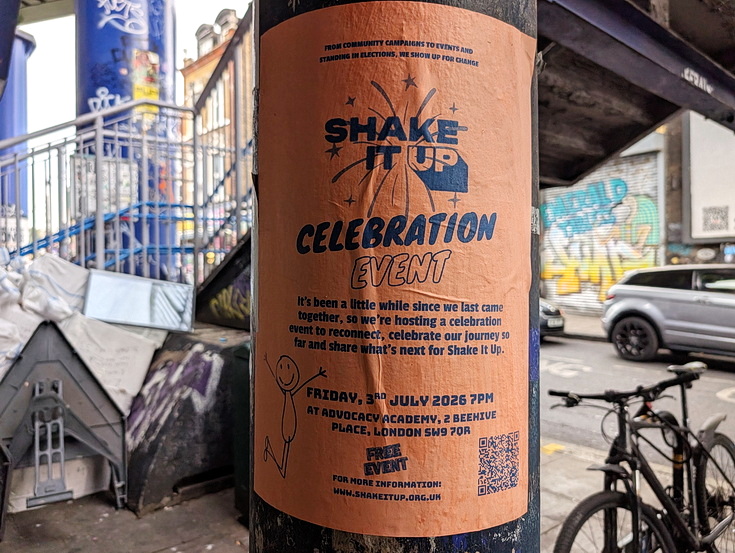
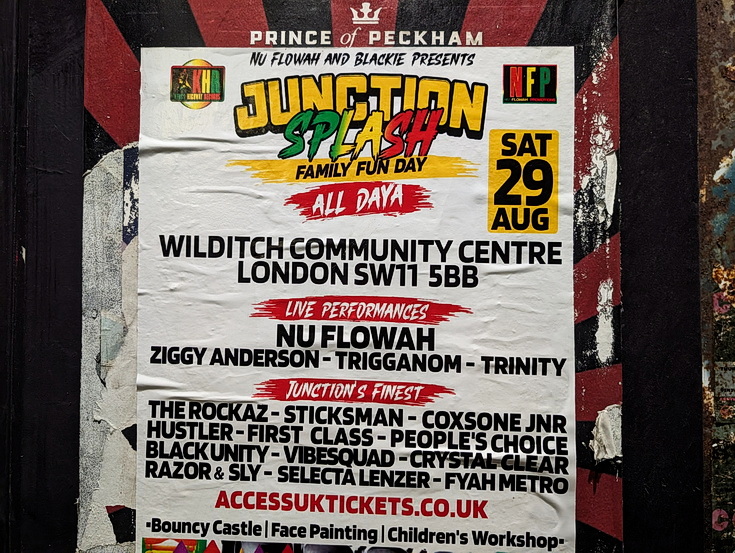
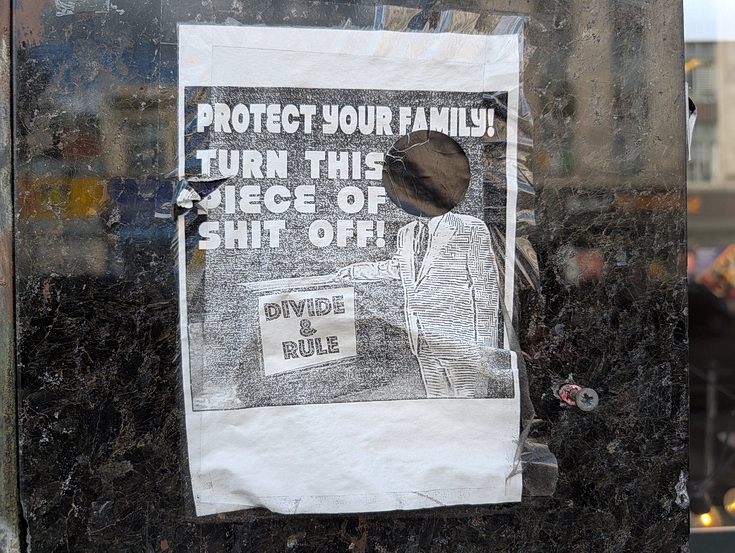
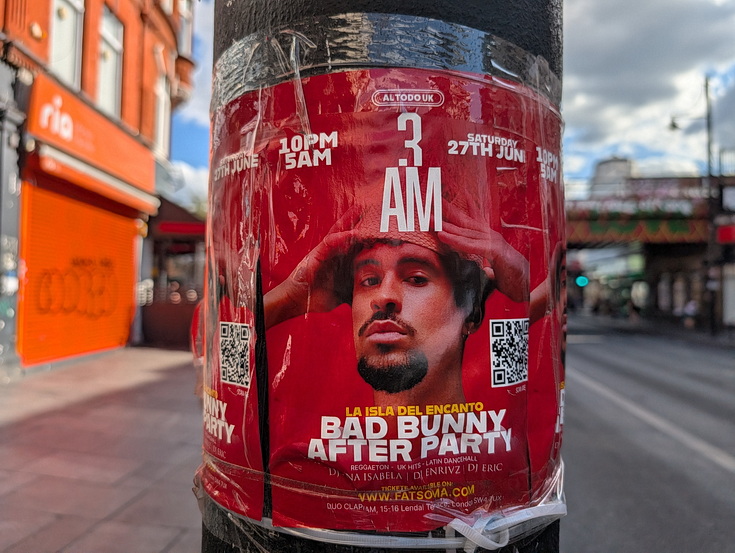
In this – the first of what will become an occasional series – we’ve documented the posters and stickers we’ve seen around Brixton in July 2026.
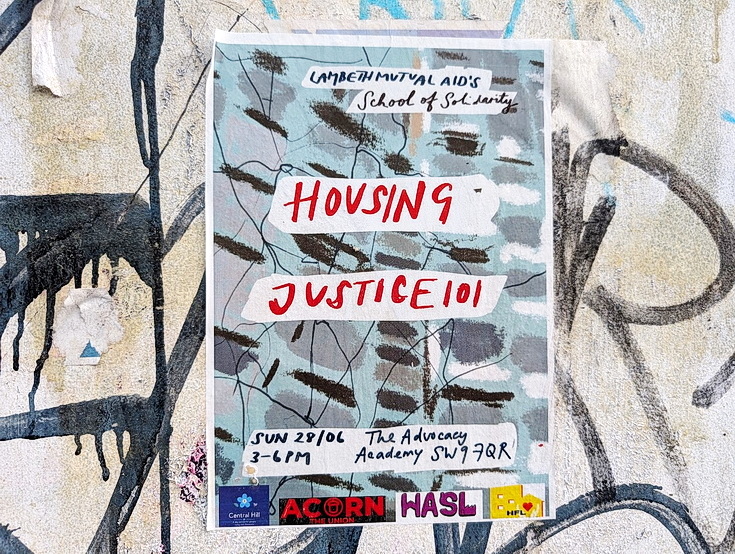
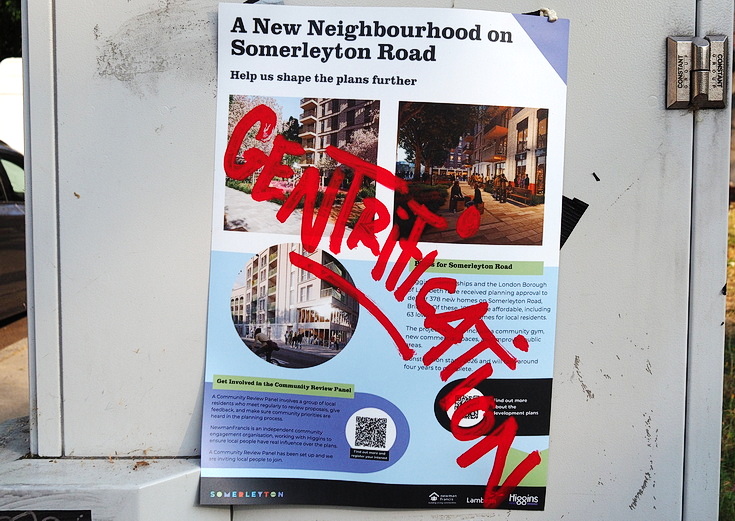
A damning local comment on redevelopment plans for Somerleyton Road.
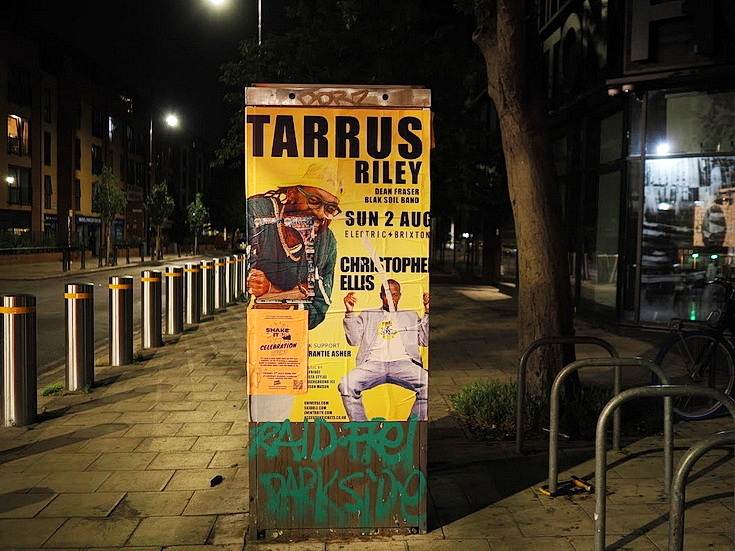
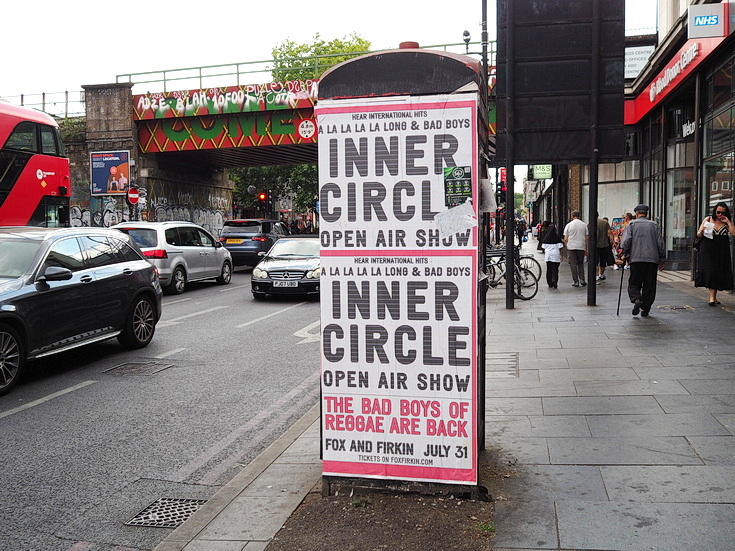
The few phone boxes left standing in Brixton are usually covered in posters put up by professional gangs.
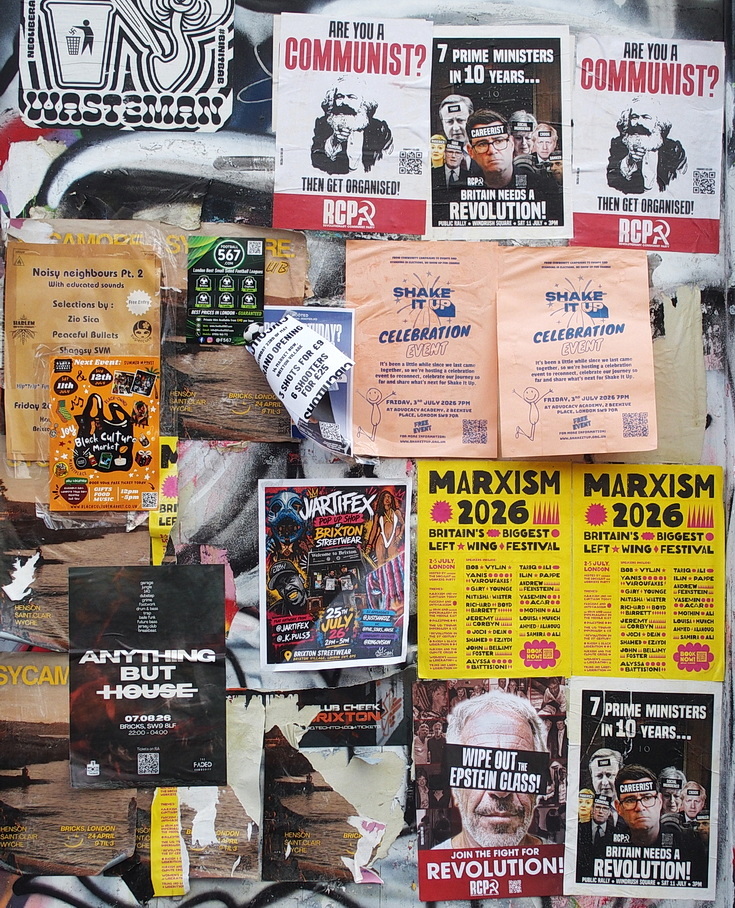
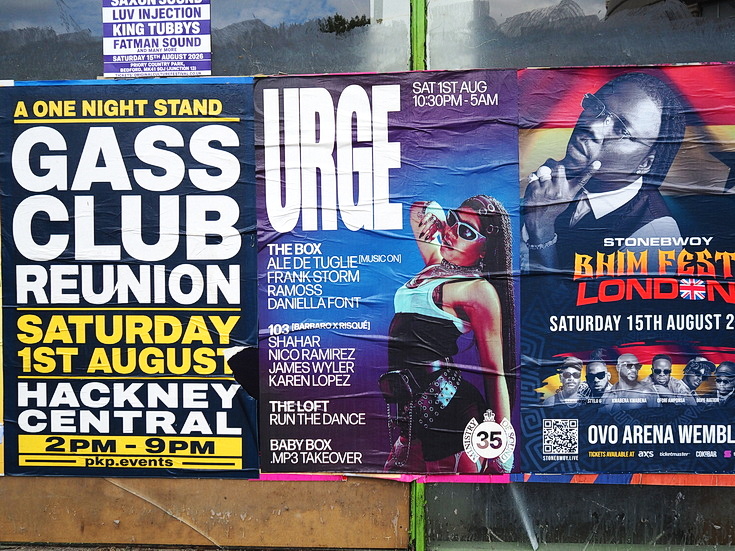
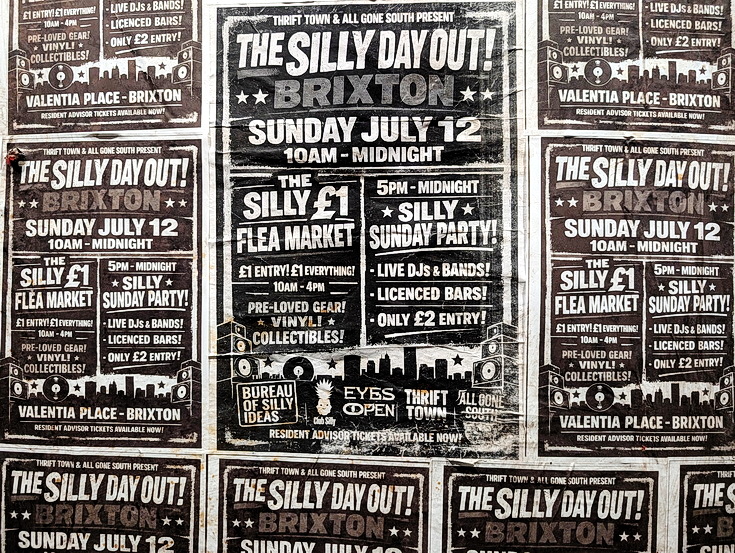
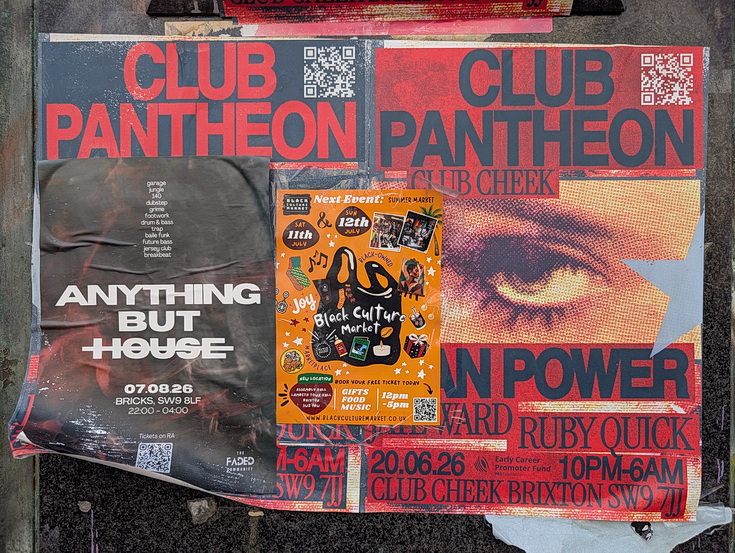
There’s a huge range of issues and events being advertised on this wall next to Marks & Spencer.
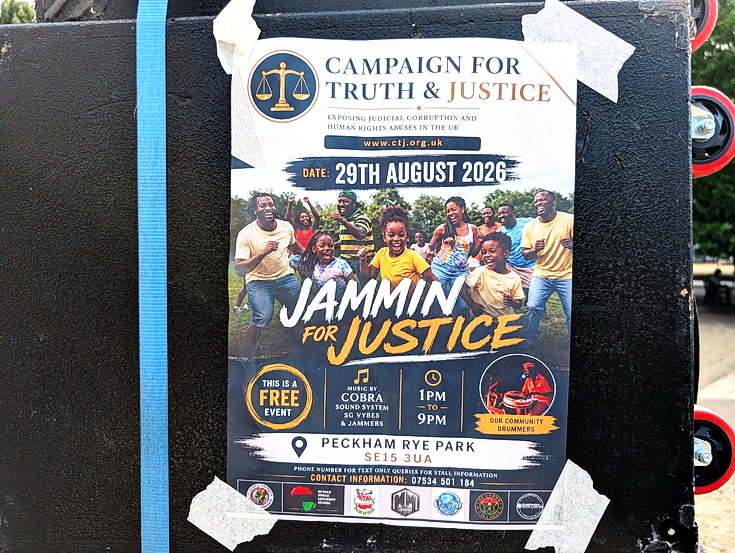
The rise of free AI tools has resulted in more ‘professional’ looking posters but at the expense of originality – these two posters look almost identical despite being for two totally unrelated events at opposite ends of London.
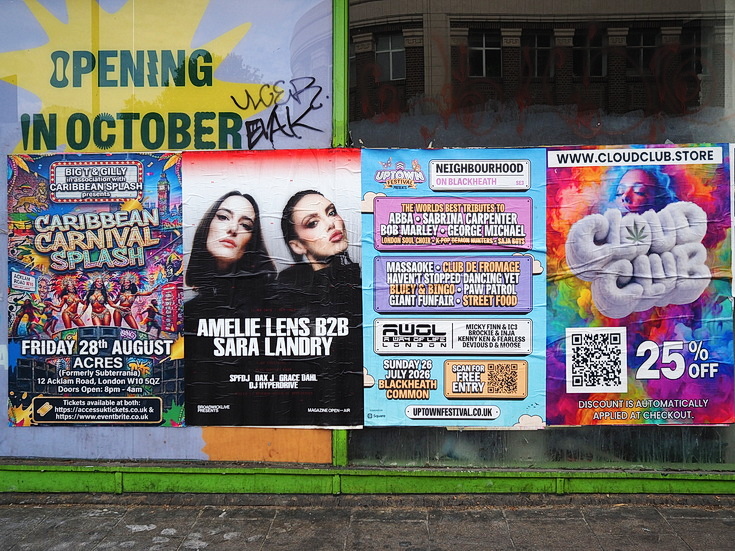
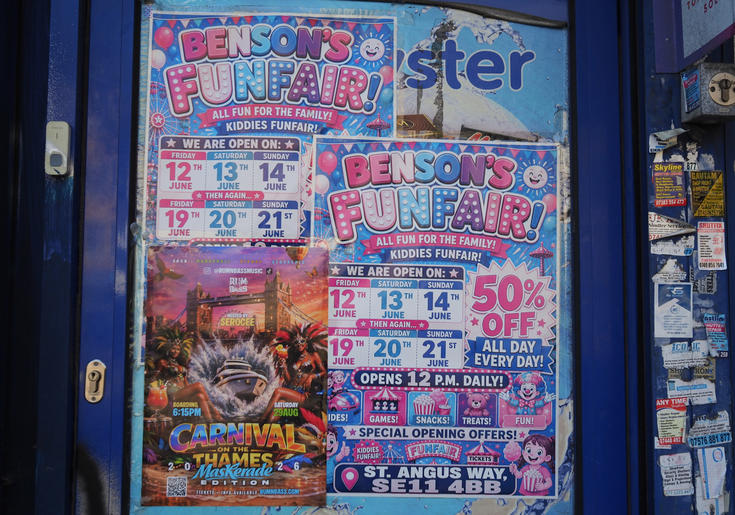
No collection of posters would be complete without something from Benson’s Funfair, although they’ve sadly also succumbed to using AI now.
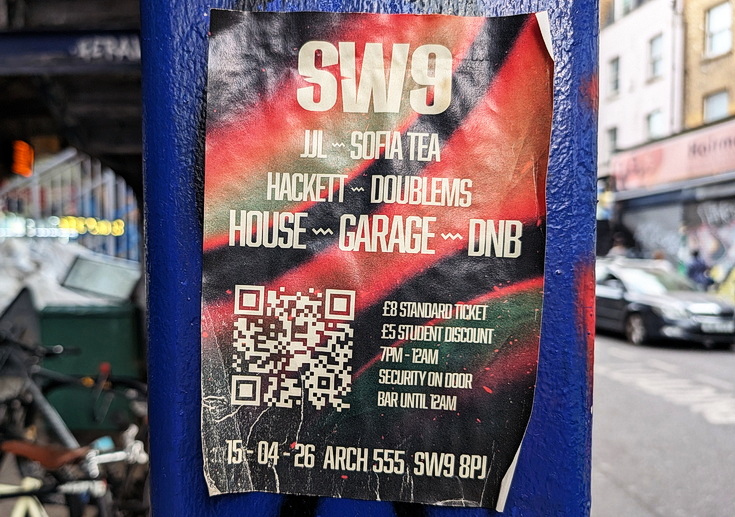
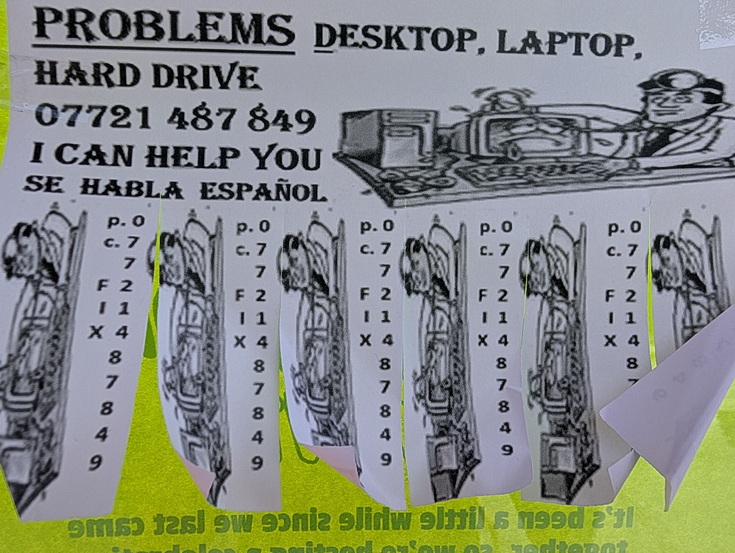
This design for a computer repair tech hasn’t changed in decades!
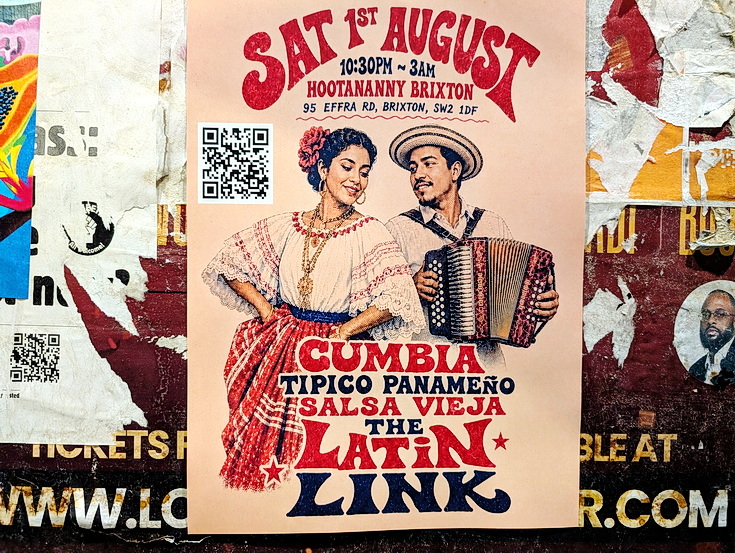
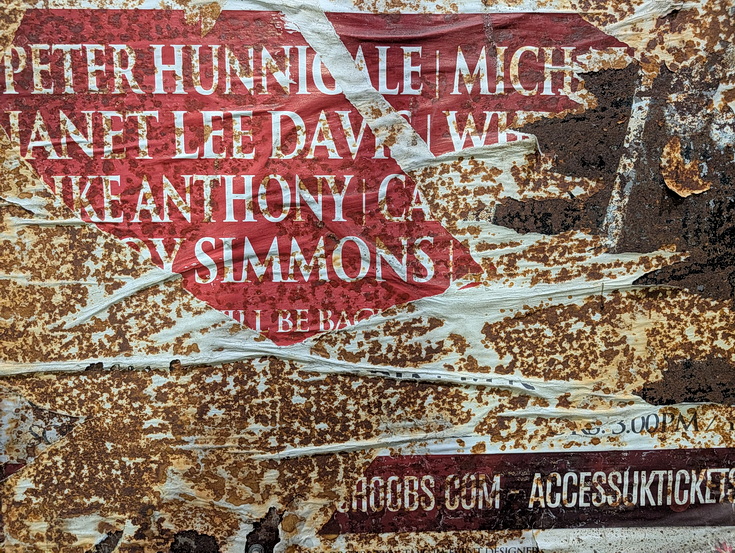
Posters on top of posters on the old Dogstar frontage.
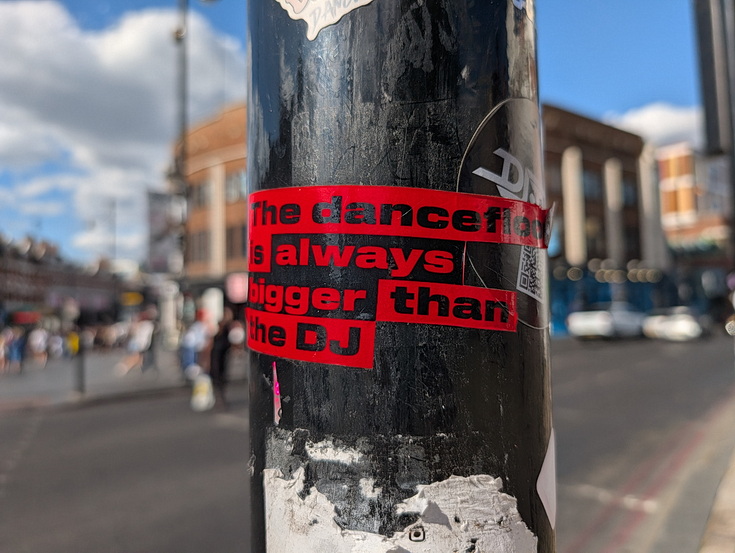
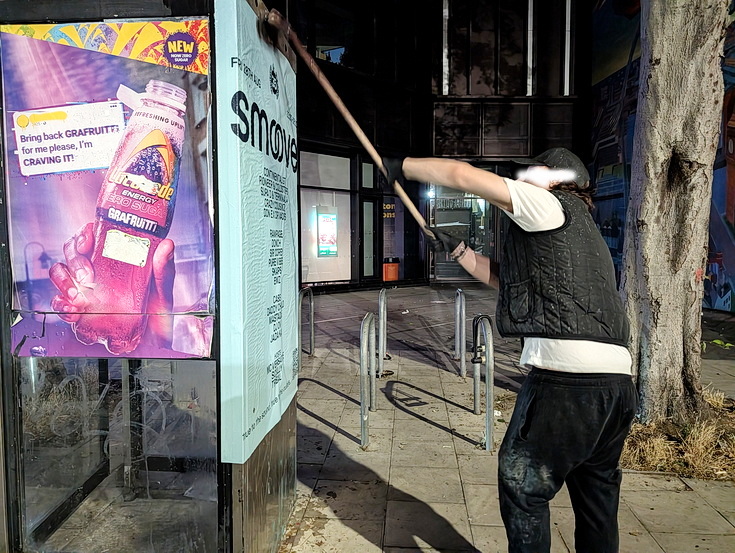
A professional fly poster at work in the dead of night. This poster went up in seconds.
More London history
Please donate to Brixton BuzzTo ensure editorial independence, Brixton Buzz accepts no advertising, sponsorship or funding. If you’d like to contribute to our running costs, you can donate here. Thank you.
Related