
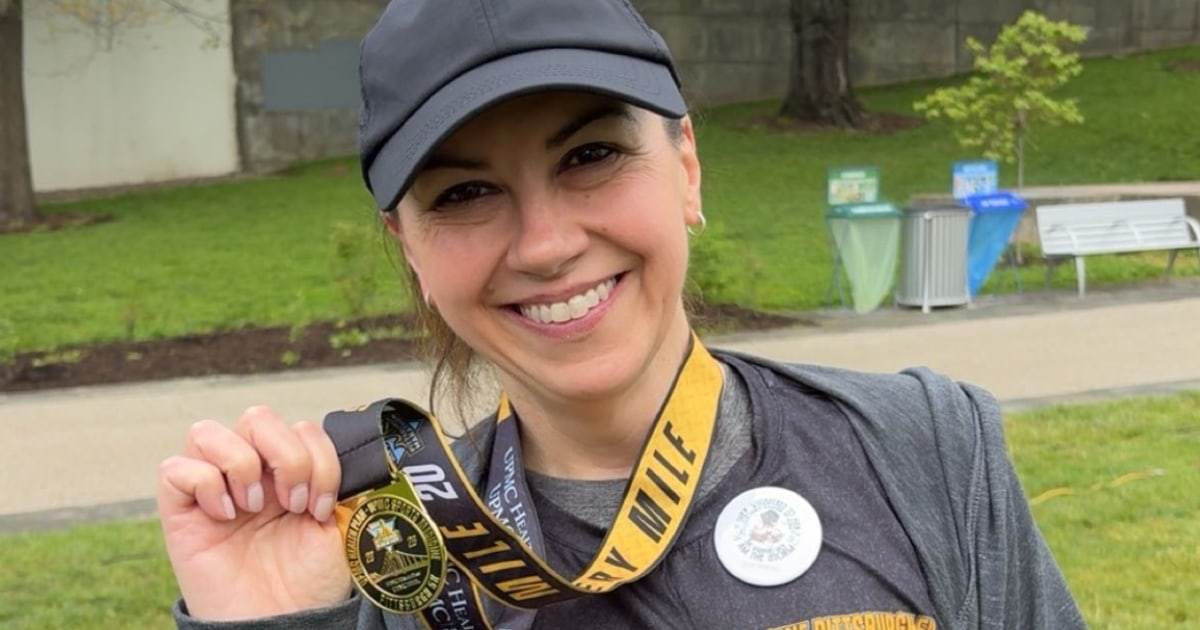
When Jennifer Branik, 54, first noticed a few fingers going numb on her right hand, she didn’t think much of it.
“It resolved quickly, almost like you were sitting on your hand,” Branik, an executive assistant at the University of Pittsburgh Medical Center and mom of two, tells TODAY.com. She’d just seen her primary care doctor just a week before and received a clean bill of health, so she wasn’t particularly worried.
But the next day, her fingers started feeling numb again. And the next day, it happened again — and got worse.
“I came into work, I went to type, and my fingers kind of locked up,” Branik recalls. She sent a quick message to her doctor, who told her to get down to the emergency room for a brain scan.
That MRI revealed only a tiny meningioma, a benign tumor on the brain tissues, that turned out to be a harmless incidental finding. She was kept in the hospital for 24 hours and ultimately got to go home the next day. But, again, “I woke up to my entire right hand being numb,” Branik says. “And I called my PCP because, by about mid-afternoon, I could hardly stand up.”
Branik was rushed back to the hospital, where additional scans revealed that she was having a stroke. “A clot had formed in the narrowest, deepest part of my brain,” she says. “And by that time, I could not use the right side of my body. I couldn’t stand up, couldn’t walk.”
“So yeah,” she says, “it was a doozy.”
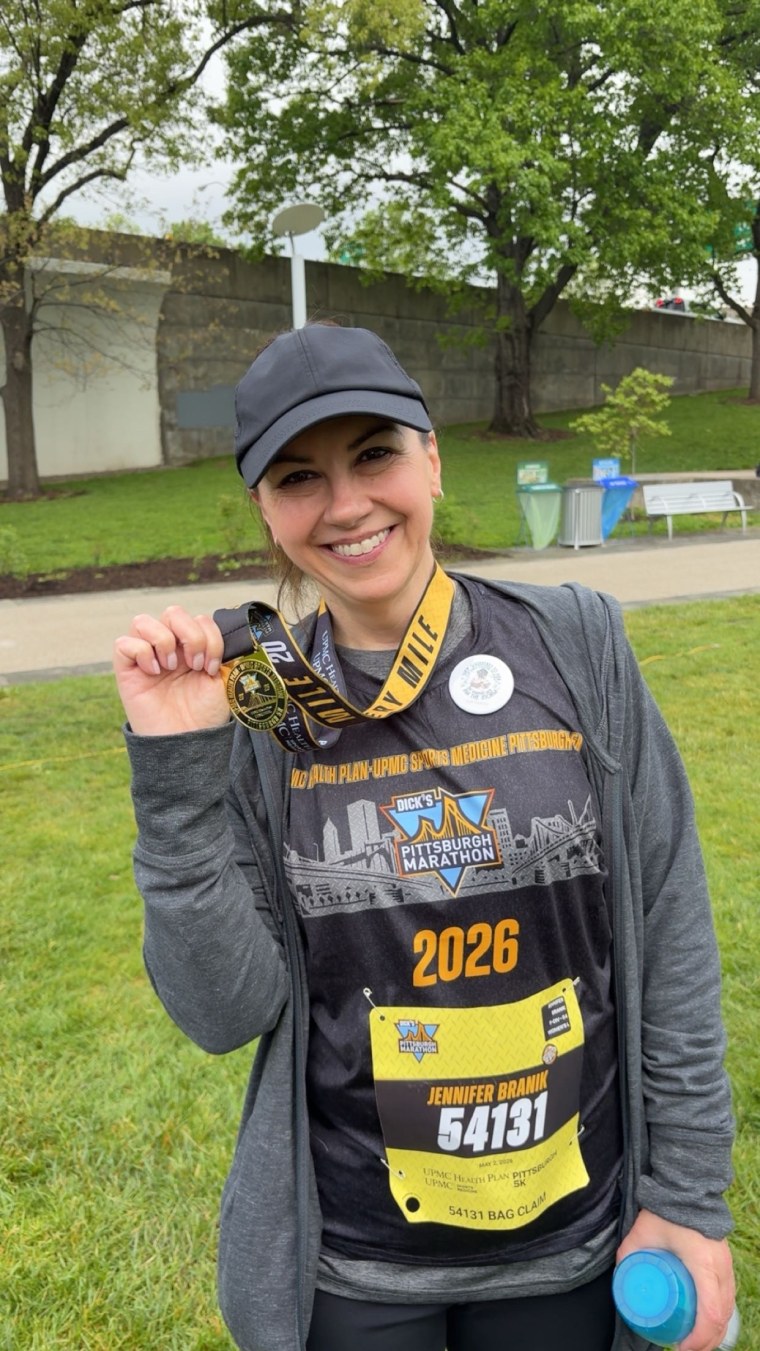 When she had a stroke in 2025, Jennifer Branik didn’t realize how much it would affect her menopause experience.Courtesy Jennifer Branik
But the stroke, which occurred in February of 2025, and recovery was only part of how Branik’s life would change.
In midlife, she soon found herself navigating perimenopause symptoms like insomnia, mood changes and brain fog. And, due to her stroke, Branik was now taking this journey without the benefit of hormone therapy.
Heart Disease and Stroke Risks Increase During Menopause
Women, like Branik, who have a history of heart disease or stroke are generally not able to use hormone treatments for menopause symptoms. That’s partly because the risks for cardiovascular issues rise during the menopause transition across the board, experts say.
More than 60 million women in the U.S., about 44%, are living with some form of heart disease. About 1 in 5 women in the U.S. will have a stroke in their lifetime.
“Age is probably the single strongest risk factor for heart disease and stroke,” Dr. Anum Minhas, a cardiologist and assistant professor of medicine at Johns Hopkins, tells TODAY.com.
And for women reaching midlife, the drop in estrogen compounds that increase in risk, Minhas explains. “Prior to menopause, women have estrogen, which generally has cardio-protective effects,” she says. But when estrogen levels drop, we see heart health risk factors, like blood pressure and LDL cholesterol, change.
For many, those changes come as a surprise.
“A lot of women have fairly low blood pressure when they’re younger, and then they hit menopause and it just starts going up,” Dr. Eliza Miller, a vascular neurologist and chief of women’s neurology at the University of Pittsburgh Medical Center, tells TODAY.com
“You might not notice it, or you think, ‘Oh, I’ve always had low blood pressure, that must just be a weird measurement,’ but it’s not. It really goes up,” Miller says.
Even if a patient’s diet and exercise routines haven’t changed, they may see blood pressure or cholesterol numbers going up, which can make it even more surprising, Dr. Rajita Patil, an OB-GYN who leads UCLA Health’s Comprehensive Menopause Care Program, tells TODAY.com.
After the menopause transition, insulin resistance often goes up, Minhas adds, and “actual vessel function — the way our blood vessels work — can become impaired too,” she says.
Disruptions to sleep, possibly thanks to night sweats and anxiety, also negatively impact your heart health, Miller says.
In this way, menopause offers a “really critical window” to examine our heart health, Patil says, and to “focus on intentionally living in a way to really minimize those risks,” Patil says.
But, when heart disease and stroke risks bump against menopause symptoms, they can make getting treatment for hot flashes, night sweats and insomnia more complex.
Heart Disease and Stroke Complicate Treatment for Menopause Symptoms
Not only do risks for heart disease and stroke increase during menopause, but the go-to hormone medications for common menopause symptoms can also increase the risk for cardiovascular issues in certain people.
“Hormone-based therapy is associated with a possible risk for clotting,” Minhas explains, which can lead to strokes and heart attacks. “It’s really contraindicated to use hormone therapy because we might be actually increasing their risk for another event,” Patil agrees.
So doctors approach the prescribing of these medications with a lot of caution. But does that mean that someone who’s had a stroke or heart attack can never be prescribed a hormonal medication?
Not necessarily, experts say, but each patient deserves time and expertise to weigh their unique potential risks and benefits.
“Having the risk factors alone is not the same thing as actually having a stroke or heart attack, but the risk factors should definitely be weighed in,” Minhas says. Doctors often do this with tools like the PREVENT calculator, which formulates a heart disease risk score for a particular patient.
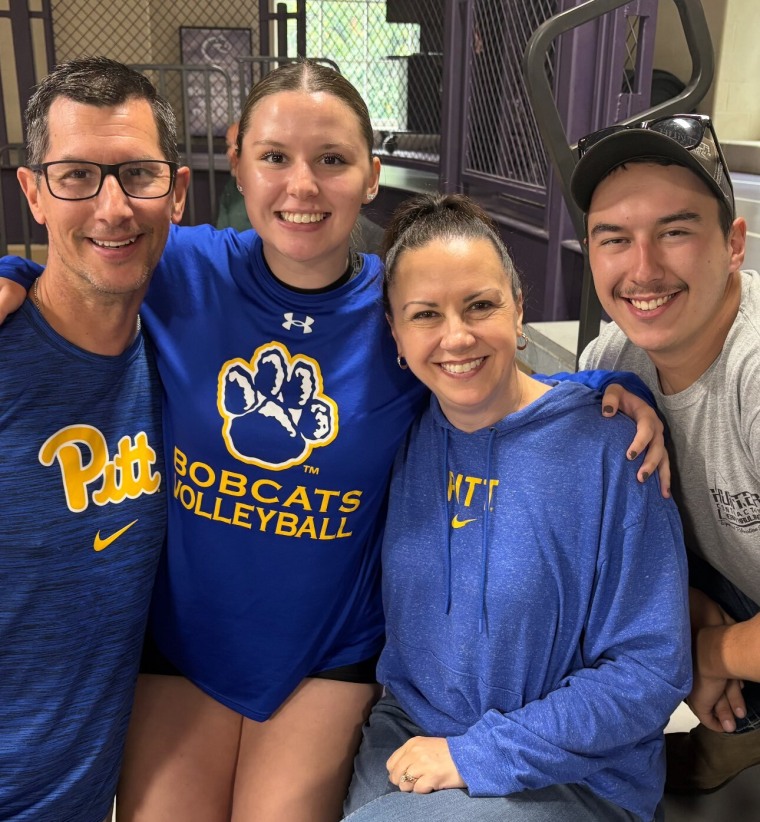 Branik and her family: husband Gary, son Zach and daughter Abby. Courtesy Jennifer Branik
But everyone’s experience and priorities are different, Minhas says. Some patients may accept the risks of medication because their symptoms are so overwhelming and haven’t been adequately treated with other options.
For someone who’s had a stroke, “I would talk to the person and say, ‘Let’s do everything we can to lower your stroke risk in all the ways we know how to do,’” Miller says.
Once that person, for example, is on a blood thinner, has quit smoking and taken up a healthy diet and exercise routine, Miller says, “it may be that the small increased risk of a stroke related to taking hormones is outweighed by the benefit on your quality of life right now.”
It may even just be a temporary option to get someone through a particularly miserable period of symptoms, she adds.
Ideally, in complex cases like Branik’s, the best recommendation for treatment may come from a collaboration between experts in OB-GYN, cardiology and any other relevant specialty, the doctors agree.
Hormone Therapy May Not be Totally Off-Limits for Some
Hormone therapy is well-studied and effective, particularly for those classic vasomotor symptoms of menopause, which include hot flashes and night sweats. So, for many, it is still the first choice.
If systemic (oral) hormone therapy isn’t an option for you, vaginal hormone therapy could be a safer option, Rebecca Thurston, Ph.D, associate dean for women’s health research, University of Pittsburgh School of Medicine, tells TODAY.com.
Vaginal hormone therapy is the best treatment option for local symptoms like vaginal dryness and pain with intercourse, she explains. “And vaginal hormone therapy is not systemically absorbed,” she says, “so even for people who have contraindications, like history of stroke or history of breast cancer, that is safe to use.”
Other patients may be able to use an estrogen patch, Thurston says. While patches are still considered systemic hormone therapy, the drug in the patches doesn’t get processed by the liver the same way a pill would and, therefore, may be less likely to contribute to clotting, she explains. So it may be a safer option for some people.
In other cases, Minhas says, going on a potentially risky medication may just require some additional monitoring, such as keeping an eye on your cholesterol levels.
Non-Hormonal Treatments for Menopause Symptoms
If your major symptoms include hot flashes and night sweats, there are now multiple non-hormonal medications specifically approved to manage those issues.
“As a menopause doctor, I will say that my toolbox is not just hormone therapy,” Patil says. “Even for the person who is low-risk, it’s not just hormone therapy.”
Non-hormonal medications for hot flashes and night sweats in menopause include two recently-approved medications: fezolinetant (Veozah) and elinzanetant (Lynkuet), which are part of a class of drugs called neurokinin receptor antagonists.
These target the same temperature-regulation system in the brain that estrogen therapies do, but they approach it in a different way, Patil explains.
Temperature regulation is controlled by a collection of KNDy neurons in the brain’s hypothalamus, she says. “Estrogen sort of acts like the brake, it’s telling (those neurons) to stop firing away.”
And, similarly, there is a gas pedal: a different type of neuron called neurokinin. These new drugs block those neurokinin receptors, Patil says, and thus block the gas pedal.
On top of that, other types of medications such as SSRIs and SNRIs, can be used off-label to manage some vasomotor symptoms, Thurston says. And if someone is also having sleep issues, gabapentin can be helpful, she adds. Other drugs, such oxybutin, can manage hot flashes and night sweats, Thurston adds, “but they can have cognitive side effects, so we don’t use them as much.”
Additionally, there are some lifestyle and behavior changes that can help manage your symptoms, especially if they’re on the milder end.
Avoiding your hot flash triggers (such as spicy food and alcohol) wearing layers and staying in cooler environments “might help a tad, but they’re not very effective for more moderate and severe vasomotor symptoms,” Patil says.
Of course, there are also non-hormonal treatment options for menopause symptoms outside of hot flashes and night sweats.
One of the best treatments for insomnia, for instance, is cognitive behavioral therapy, Thurston says. Not only is cognitive therapy just as effective as medication for insomnia, she says, “it’s also more durable, meaning it will be more effective for longer.”
And treating related conditions, like sleep apnea, can help improve sleep, Miller adds.
Connecting With Knowledgeable Care
For Branik, figuring out what works for her menopause symptoms while recovering from her stroke has been like “navigating this new ocean, and it’s scary,” she says. “Some days you feel like you’re going to drown, and some days you feel pretty buoyant.”
She generally focuses on lifestyle measures and “controlling my controllables,” Branik says. That includes a healthy diet full of vegetables from her home garden and exercising at the local YMCA with her husband or going for a walk around the local track.
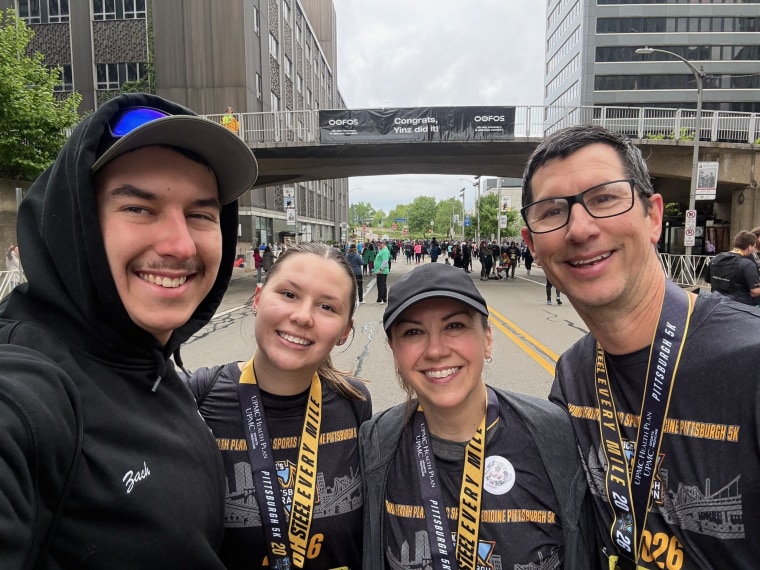 Branik and her family after running the Pittsburgh Marathon 5K in May 2026.Courtesy Jennifer Branik
Branik has also developed a nighttime routine that helps her get better sleep and focuses on relaxation and mindfulness to support her mental health. As she’s regained the ability to read after her stroke, Branik is working her way through a stack of books. And she’s enjoying activities like gardening that help her get back some dexterity in her hand.
She recently ran a local 5K race, which she says was “a huge accomplishment” and a testament to her recovery. “To go from walking in a stroke harness on a treadmill to completing the 5K with my husband and my daughter on either side of me and our son at the finish line to take a photo, that was huge for me.”
It’s also a reminder that, while perimenopause and menopause can get a bad rap, “midlife is a fantastic time for women,” Thurston says. “It’s a time of feeling more authenticity and caring a little bit less what people think about about you … and it’s our job as providers to help women manage these symptoms so that they can realize what’s incredible about midlife.”
Ultimately, the experts TODAY.com spoke to want you to know that you have options — and you do not need to simply suffer through your symptoms.
“Suffering is overrated,” Thurston says. “If you’re having a lot of menopausal symptoms and they are bothering you, you deserve treatment.”