
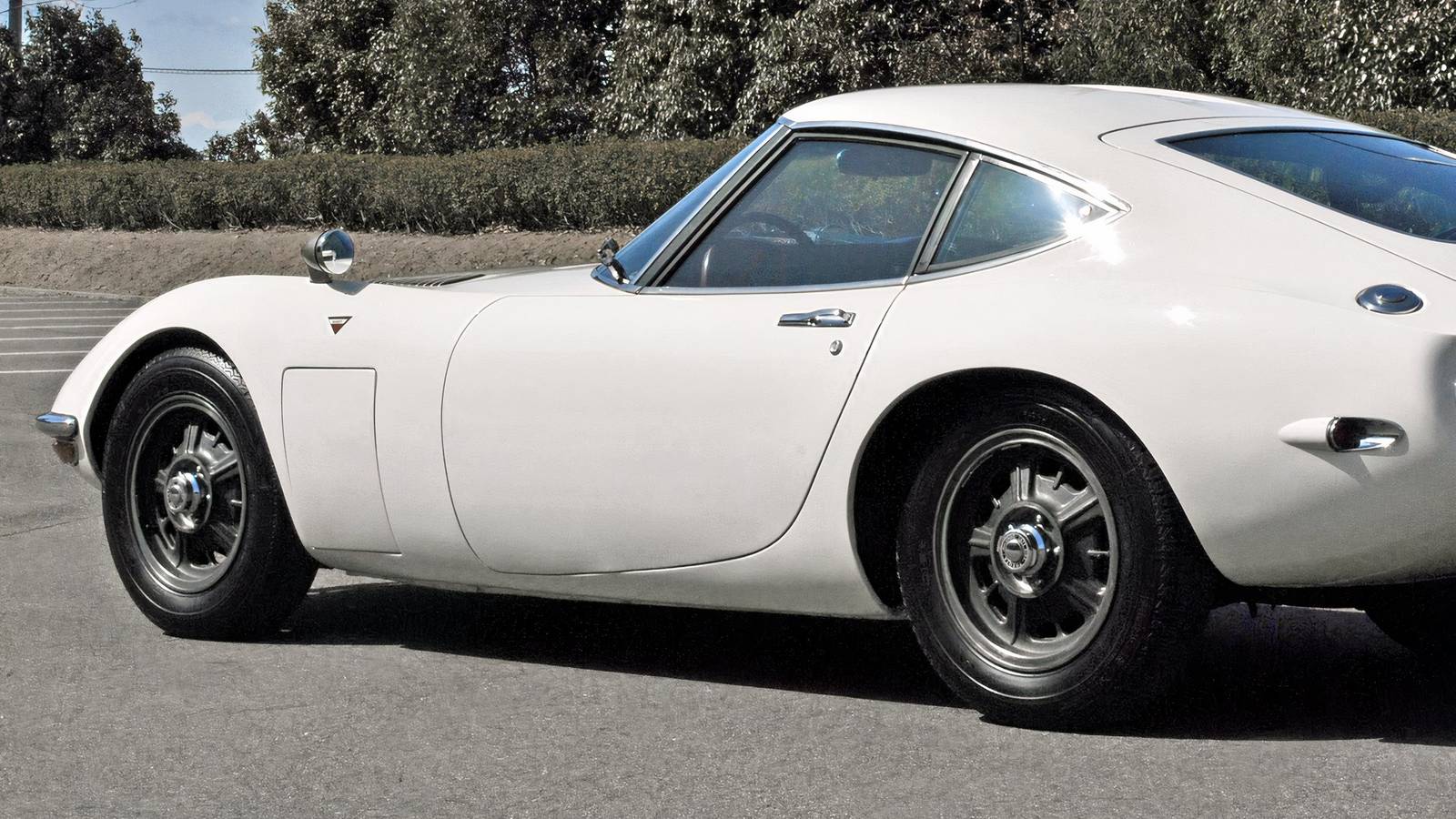
The lineage of Toyota sports cars did not begin with a slow, gradual climb through the ranks to fight the good fight against storied nameplates in the business. It started with the small, largely unknown Sports 800 in 1965—a little kei-car-sized two-seater that nobody outside Japan knew about at the time.
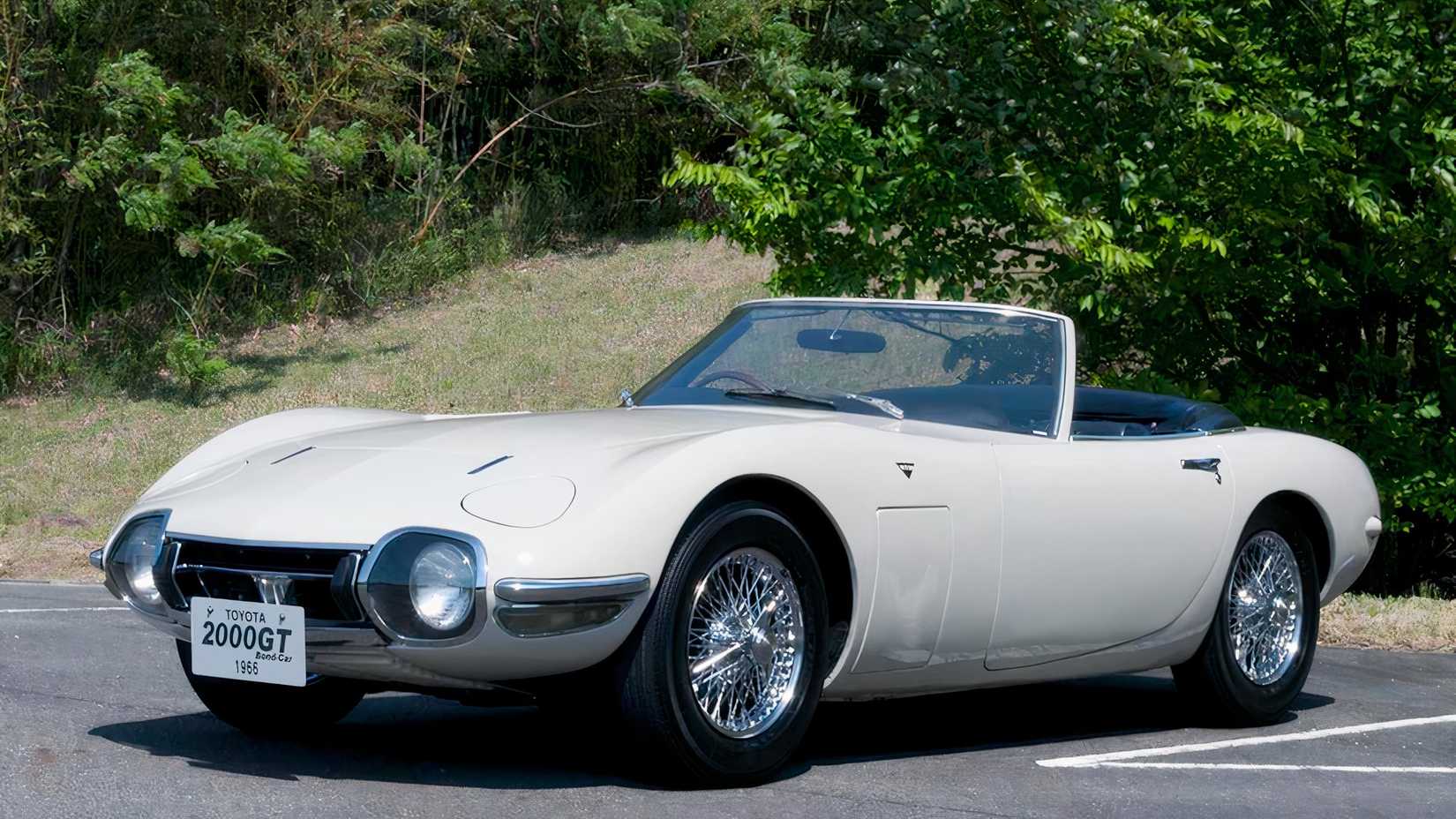
Toyota decided the next step would be to start at the top and work its way down. The company developed one of the most important sports cars in Japan’s rapidly growing automobile industry: the 2000GT. Over half a century later, the legendary model is still a powerful force behind each GR model, and the TRD models before that.
Toyota’s First Shot At Living Twice
Toyota 2000GT Roadster Top Down White Front Angled ViewToyota
Toyota Motor Corporation Chairman Akio Toyoda wasn’t the first in his family to push for less boring cars in the lineup. In fact, a similar conversation occurred in the early 1960s when Toyota was facing quality concerns in the United States. The small Toyota Toyopet Crown—the first model from the automaker to reach the US in 1958—wasn’t holding up over long distances or traveling at US highway speeds. Fixing these issues wouldn’t be enough in the eyes of Toyota’s board, so it got to work thinking of new ways to reshape what its name meant.
At the same time, Yamaha was taking bids for its sports car it was looking to co-develop with another manufacturer after Nissan first rejected the idea. Toyota didn’t take Yamaha up on the first offer, but it knew the company might be the key to developing a sports car of its own. A newly formed division of Yamaha created to design and test high-performance sports cars had its first client, and the result was pure gold.
Close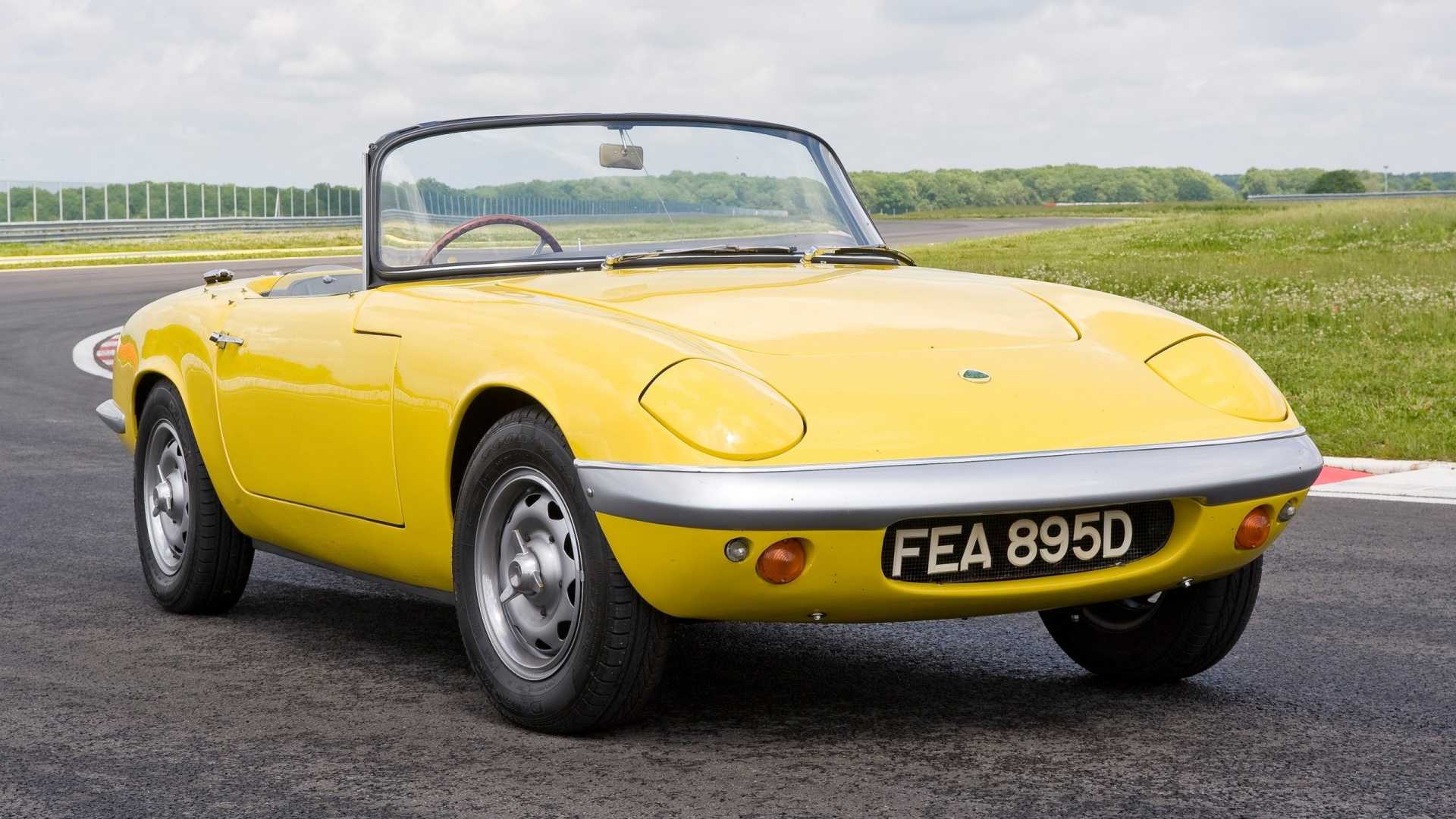 lotus elan front yellow on a trackLotus
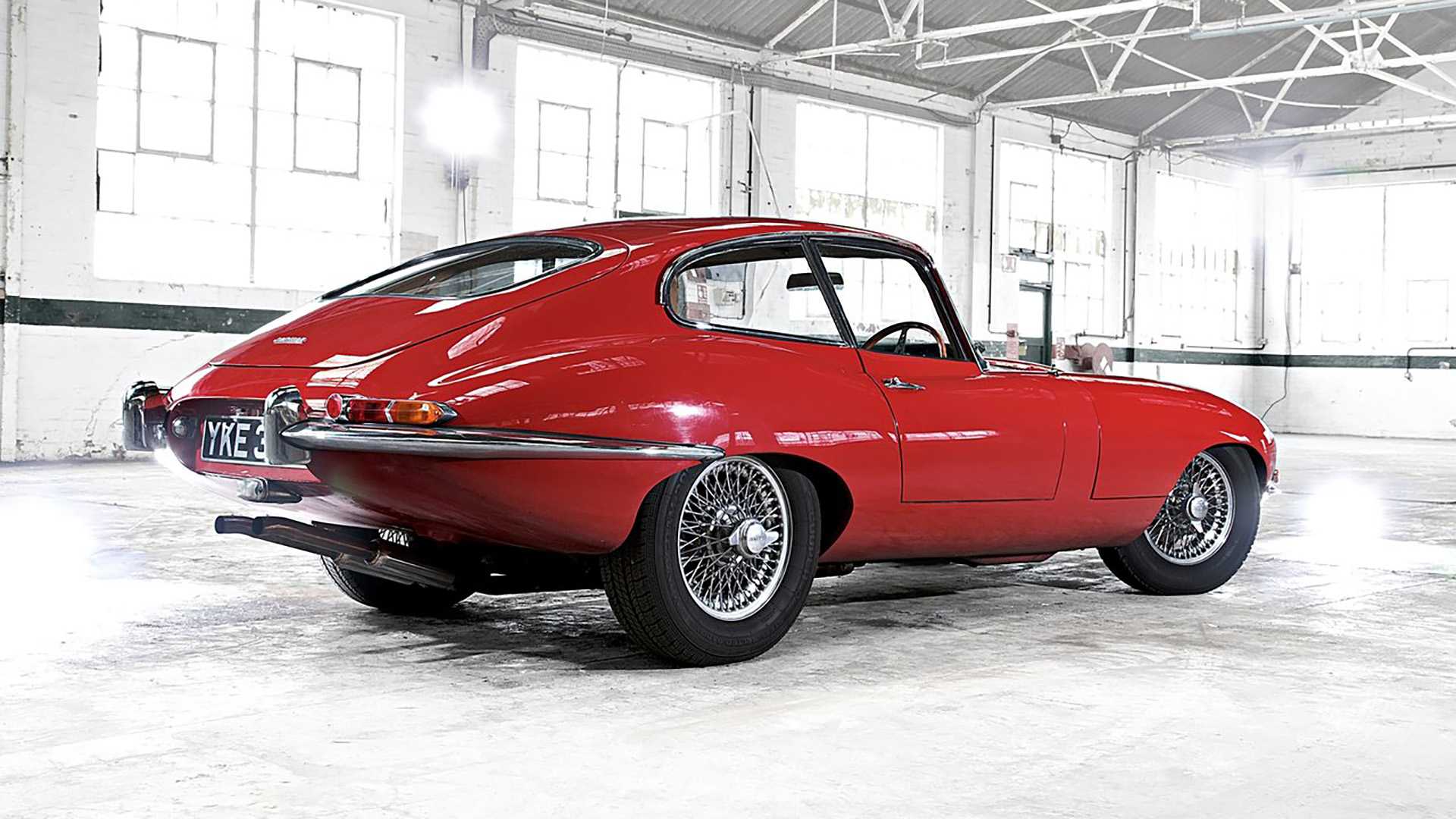 The Jaguar E-Type, described by Enzo Ferrari as the most beautiful car in the world, became the apple of Jaguar’s eye in 1961, leaving the Daimler SP250 out in the cold.Jaguar
 1964 Porsche 911 Exterior Photographed On Main Straight At Race TrackPorsche
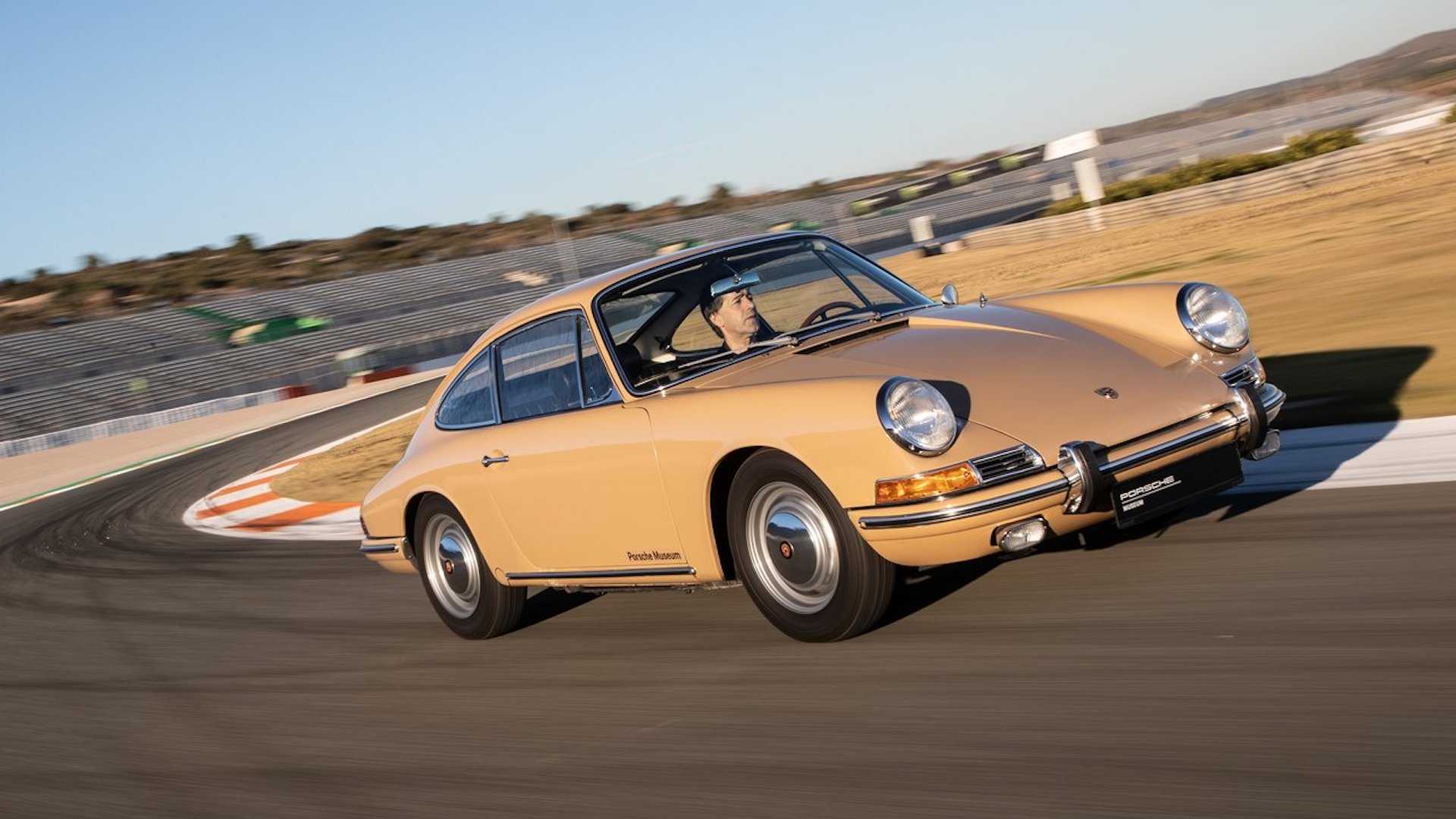
The 2000GT began to take shape after Toyota sent product planners and engineers around the world to study other automakers’ operations, and later purchased a fleet of sports cars, including a Lotus Elan, a Jaguar E-Type, and a Porsche 911. Those three cars, as it turned out, became the most influential on what the 2000GT’s purpose in life would be.
The final product looked like the Jaguar, had a near-identical frame to the Lotus, and beat the records Porsche was chasing. A 150-horsepower DOHC 2.0-liter straight-six mated to a five-speed synchronized gearbox would be the powertrain of choice, putting the 2000GT in a strong standing to outpace the benchmarked fleet it purchased.
The 2000GT debuted at the Tokyo Motor Show in August 1965, with production models set for arrival by 1967. During this time, Toyota and Yamaha were still proving their new sports car by entering it in prominent motorsport events, such as the Japan Grand Prix at Fuji International Speedway in 1966, where the 2000GT placed third.
A month later, in June 1966, the 2000GT earned its first win at the inaugural running of the Suzuka 1000 Kilometers. In 1967, it took a 1-2 finish at the first Fuji 24 Hour race. If the homegrown motorsport victories weren’t enough, Toyota let Hollywood get its hands on two bespoke white convertible 2000GT’s built for the 1967 James Bond movie, You Only Live Twice.
The World Now Knew Toyota’s Name
If the wins weren’t enough for Toyota, and the product placement in that year’s Bond film didn’t cut it, then quite frankly, the world wouldn’t be enough. Nevertheless, it still took a stab at it. In October 1966, with successful races under its belt, Toyota took one of the cars to the Yatabe Test Course north of Tokyo. During the 72-hour endurance trial, a tropical storm rolled through, and a downpour ensued while the car turned laps of the 5.5-kilometer oval. Both the driver and the 2000GT shrugged off the subpar conditions and smashed through a dozen FIA international speed and endurance records. It maintained an average speed—including stops—of 128.76 MPH.
Like any story about new competition rising from nowhere, the ones who set the records wanted them back. Porsche would reclaim those titles with a 911 R in 1967, maintaining an average speed of 129 MPH around Monza. Still, the 2000GT was proof that Japan was an up-and-coming force in the automobile industry. Its growing economy was showing strong signs of recovery nearly 20 years after the end of WWII.
The 2000GT was a first for all the reasons above, but it was among the first cars designed and built in Japan to show the world what it could do, money no object. And no cost was spared to make the car as perfect as possible for production, which started in 1967. Just over 350 cars were built—of which 20 or so were pre-production prototypes or used for racing—between 1967 and 1970. At $6,800 a pop, it was some $1,500 more than a Jaguar XK-E, and on par with the Porsche 911 S. The dark side of building Japan’s darling sports car was what it cost Toyota.
Apart from the money spent on the development contracted out to Yamaha, taking it racing, and building two for use as movie props, legend says Toyota lost money on every single unit sold. Those who didn’t know of its importance would laugh off its Porsche-level price tag. Plus, by the time it was on sale, the same money could buy the car that took the records stolen from it. Toyota closed the book after the last of the cars sold in 1970 and took a break from building luxury sports coupes before the company would make a name for itself once more.
Toyota’s Sports Cars Return to Their Roots
1976 toyota celica gtToyota
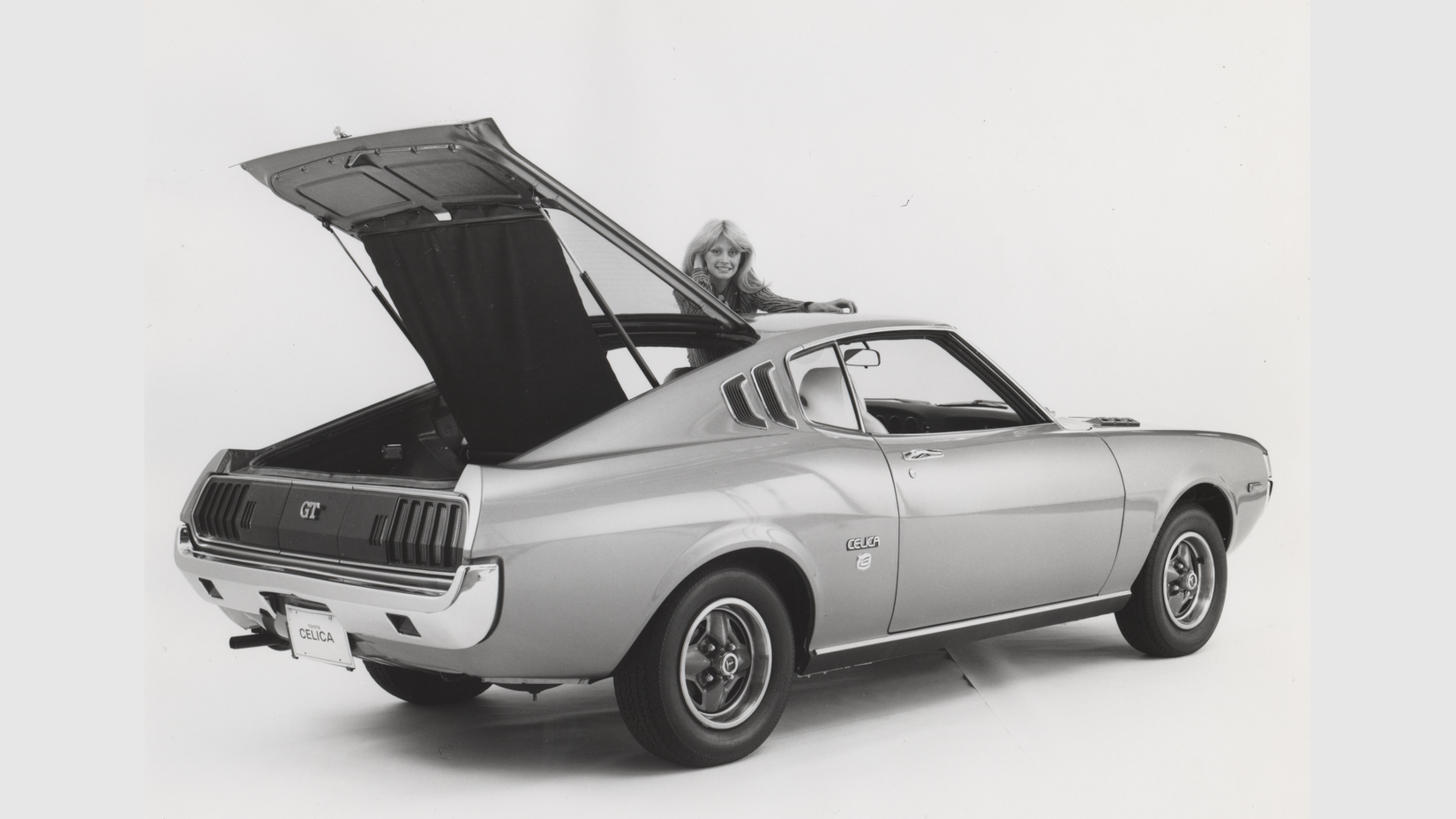
For the 1971 model year, a small, two-door 2+2 coupe arrived hot on the heels of the 2000GT. The Celica had a different mission from its more expensive sibling. The car was more affordable and had styling evoking American muscle cars of the era. In 1979, Toyota further expanded the range by introducing the Celica Supra with an inline-six engine under the hood. In 1986, this model became simply the Supra. The Celica remained a less expensive, performance-oriented model, and both of them went racing.
Toyota’s success wasn’t rooted in building the most expensive cars around. Still, every time it stepped away from building affordable bread-and-butter offerings, such as the Camry or Corolla, it was for the same reasons Toyota wanted to build the 2000GT in the first place. The creation of Lexus enabled further experimentation with world-beating vehicles, such as the LFA supercar. And that story, if you don’t already know, is eerily similar to the one written about its grandfather.
The GR Cars of 2026 Have Heard Their Family’s Story
2026 Toyota GR Yaris front 3/4Toyota South Africa Motors
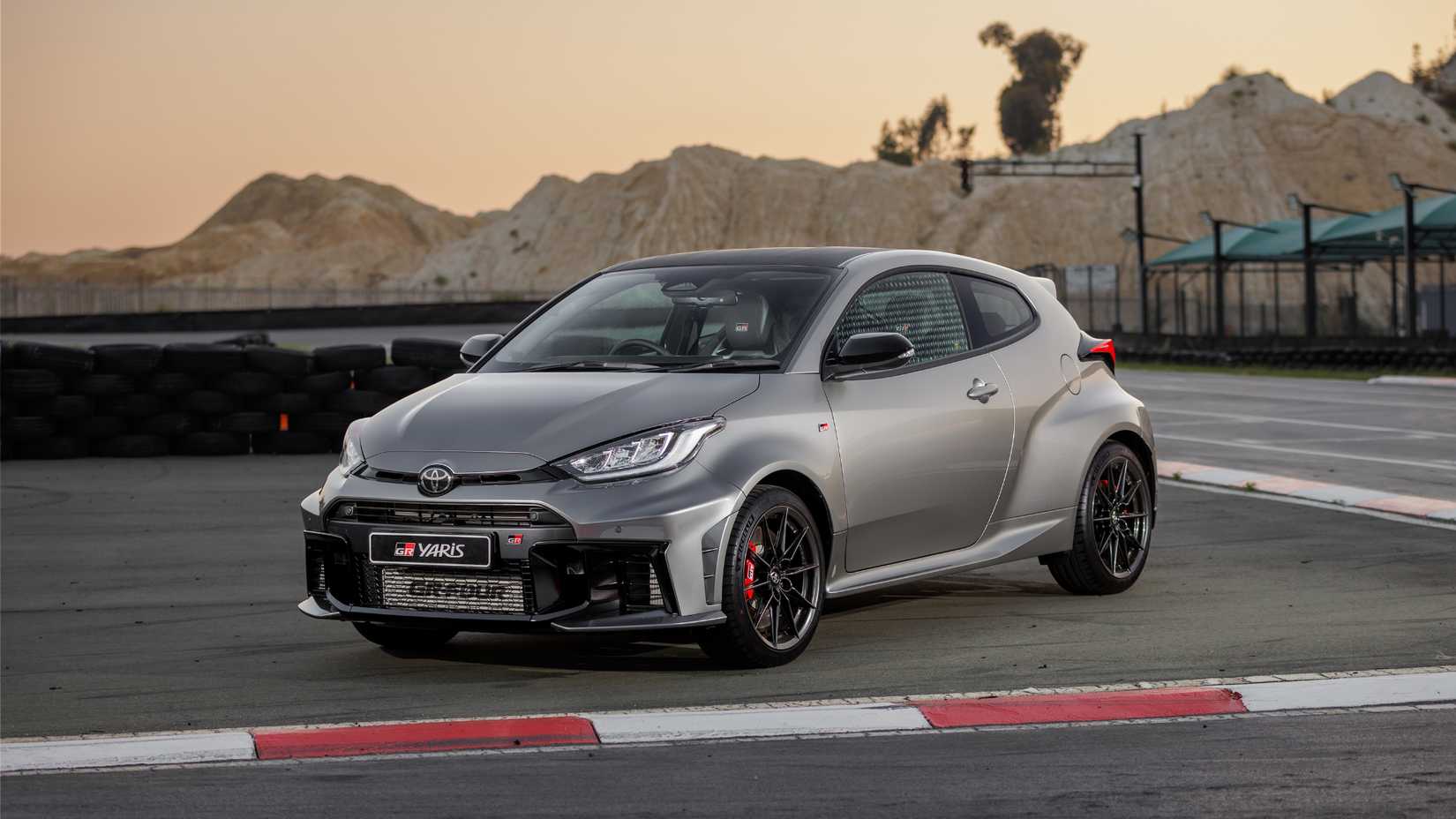
In more recent times, Toyota has focused on cheaper performance vehicles, available to a broader swath of the population. The automaker’s Gazoo Racing performance division took models such as the Yaris and Corolla and turned them into more exciting machines.
The strategy has proven successful for Toyota, and the same goes for cars built with help from others—another tactic Toyota used to make the 2000GT possible. Whether it’s working with Subaru as a partner to build affordable sports cars or connecting with BMW to revive the Supra, Toyota has learned to make friends rather than chase them down to assert short-lived dominance.
The upcoming GR GT pays homage to its namesake in more ways than one. It is Toyota’s future halo car, highlighting the ingenuity of the company’s best and brightest. Plus, the long-hood proportions give both cars a similar silhouette. The automaker is crafting a cutting-edge powertrain for the new machine, including a freshly developed V8 with a hot-vee twin-turbocharged layout and hybrid assistance. The result could be another world-beater from Toyota.
Sources: Toyota UK Magazine, Hagerty