
Sixty medicinal and ecologically important plant species, including Himachal Pradesh’s state flower buransh (Rhododendron), Bhojpatra, Brahma Kamal, tejpatta and Ratanjot, are facing the threat of extinction due to over-exploitation, habitat destruction, climate change and poor natural regeneration. To strengthen conservation efforts, the State Biodiversity Board has identified these species under various threat categories of the International Union for Conservation of Nature (IUCN).
Of the 60 species, 12 have been assessed as critically endangered, facing an extremely high risk of extinction, while 21 are categorised as endangered and 27 as vulnerable. According to Dr Suresh Attri, Joint Member Secretary, Himachal Pradesh Council for Science, Technology and Environment, the board is promoting conservation and creating awareness about their sustainable use.
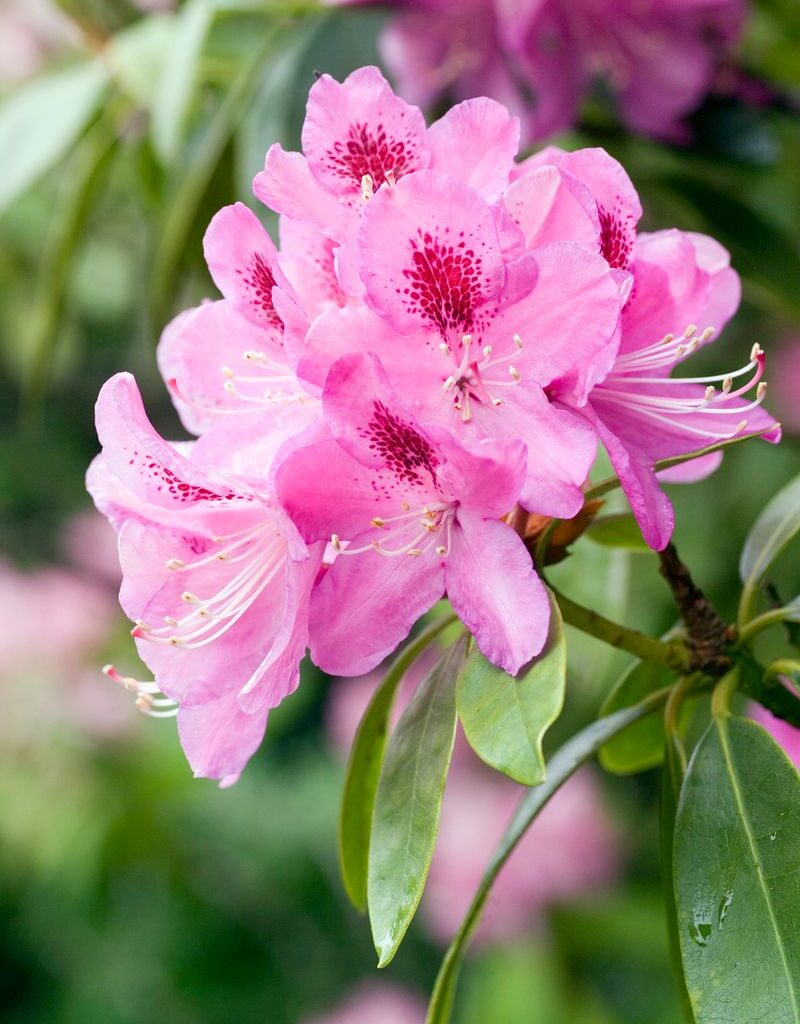
Buransh, whose vibrant red blossoms adorn Himachal’s hills, has been severely affected by over-harvesting for medicinal purposes, habitat degradation and changes in flowering patterns. Three of its species — Rhododendron anthopogon, Rhododendron campanulatum and Rhododendron lepidotum — fall under threatened categories.
Experts warn that natural regeneration through seeds is unable to match the rapid extraction of these plants from the wild. Deforestation, changing land use and degradation of forest slopes have further worsened the situation. Several species are also extensively collected for religious rituals, accelerating their decline.
Bhojpatra, historically used for writing sacred scriptures, has been classified as endangered. Brahma Kamal, revered for its spiritual significance and medicinal value, has been listed as critically endangered. Found at elevations of 3,000-4,500 metres, it blooms only once annually during July-August and remains in full bloom for just one night.
Tejpatta (Indian bay leaf), valued for its culinary and medicinal uses, has been categorised as vulnerable. Khurasani ajwain (Karu), known for aiding digestion, supporting liver health and calming the nervous system, is also vulnerable. Two Trans-Himalayan species of Ratanjot, widely used as a natural food colour and in religious practices, have been placed in the critically endangered category.