
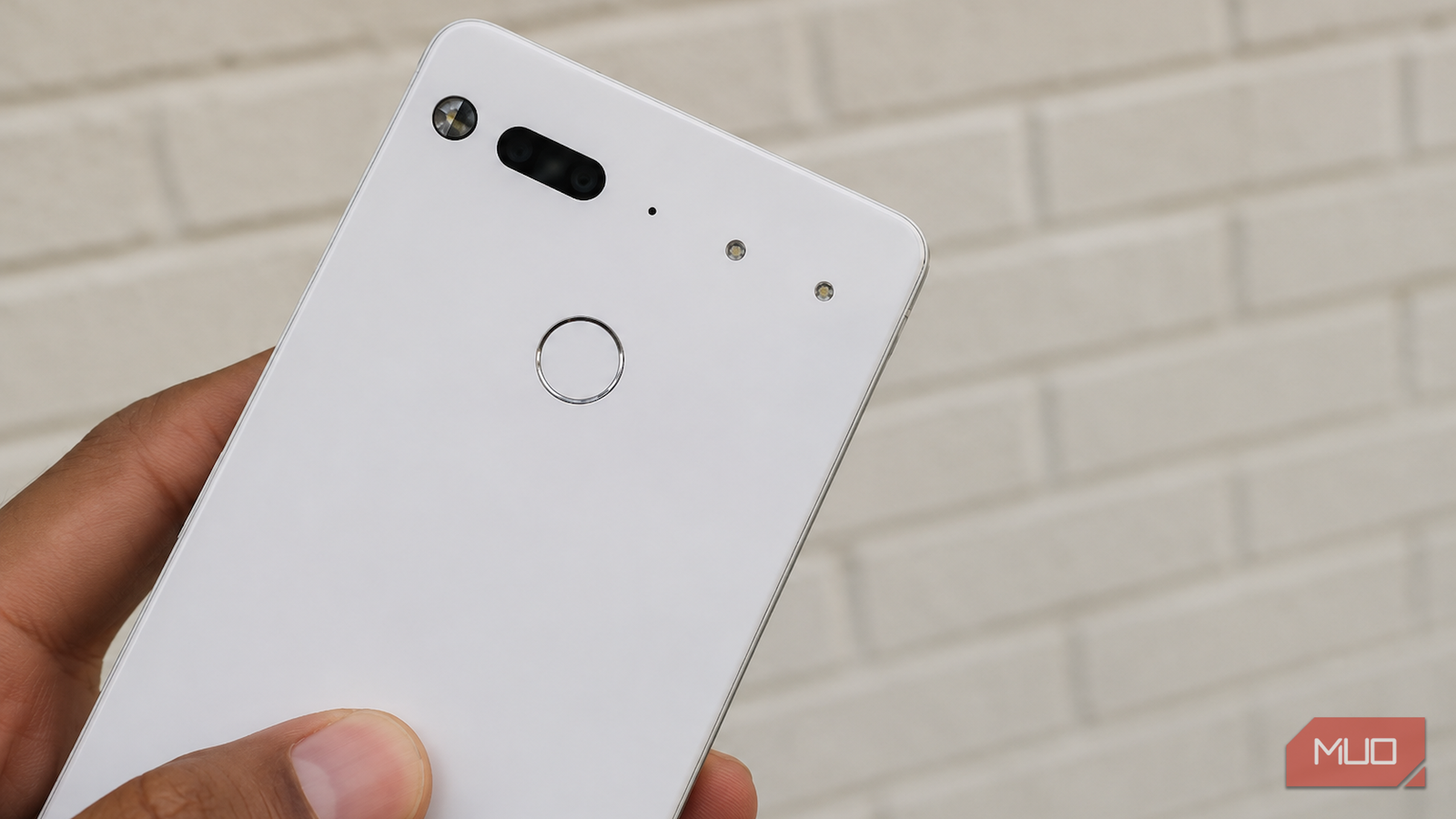
Andy Rubin spent a decade helping build Android, then returned with a company built around what he believed Android phones had got wrong: unwanted bloatware, the custom Android skins manufacturers layered over the software, delayed updates, and accessories made obsolete whenever hardware changed.
In 2017, Essential answered those complaints with the PH-1. It paired premium materials with near-stock Android, rapid updates, and a display pushed to the edges of the glass. The company’s name was the whole argument: this was what a phone looked like once everything unnecessary had been removed.
The PH-1 remained on sale for barely sixteen months. Less than three years later, Essential was gone. The phone had stumbled; its second act never arrived, and the founder whose reputation made the company believable had become another obstacle to its recovery.
Related
The real reason your Android phone stops getting updates has nothing to do with the brand
Your Android phone didn’t stop getting updates because of who makes it
The résumé made the pitch believable
Co-created Android, sold it to Google, ran it for eight years
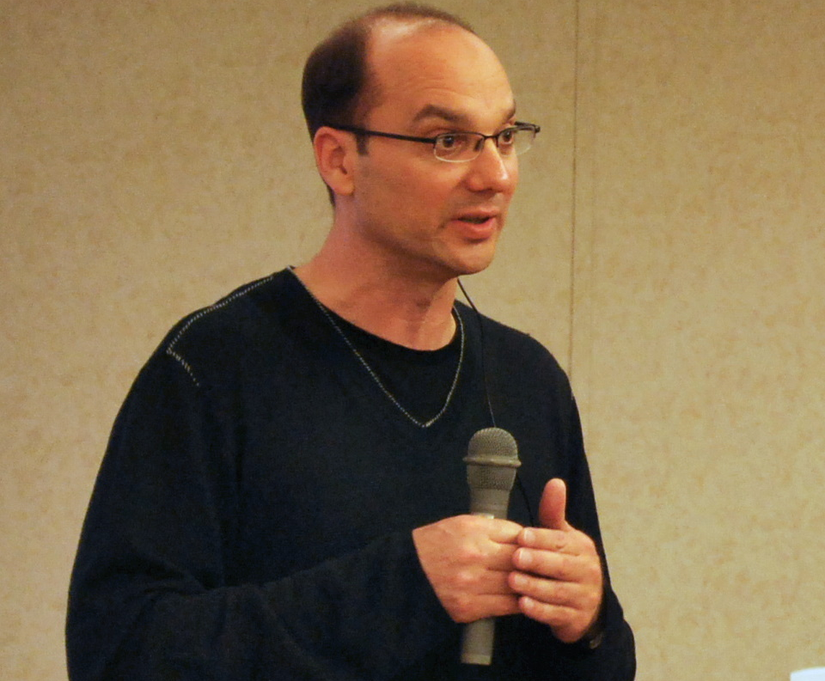
Credit: Yoichiro Akiyama / Wikimedia Commons
Rubin co-founded Android Inc. in October 2003 with Rich Miner, Nick Sears, and Chris White. Google acquired the company in July 2005 for a reported sum of around $50 million, and Rubin spent the next eight years leading Android’s development into the open-source platform that would eventually dominate the global smartphone market.
By the time Rubin stepped away from Android in 2013, the consequences of Android’s open device ecosystem were already difficult to ignore. The version consumers encountered was often buried beneath manufacturer interfaces and carrier software, while the complicated delivery chain helped explain why Android phones could take so long to receive updates. Google’s open-source model gave partners considerable freedom, but it also limited how tightly the company could control the finished experience.
Rubin moved to Google’s robotics division before leaving the company in late 2014. He later founded Essential Products to show that the compromises surrounding Android phones were not inevitable, pairing premium hardware with the operating system in a clean, restrained form.
The PH-1 was built around the problems Rubin named
Stock software, premium materials, and a notch before notches were a joke
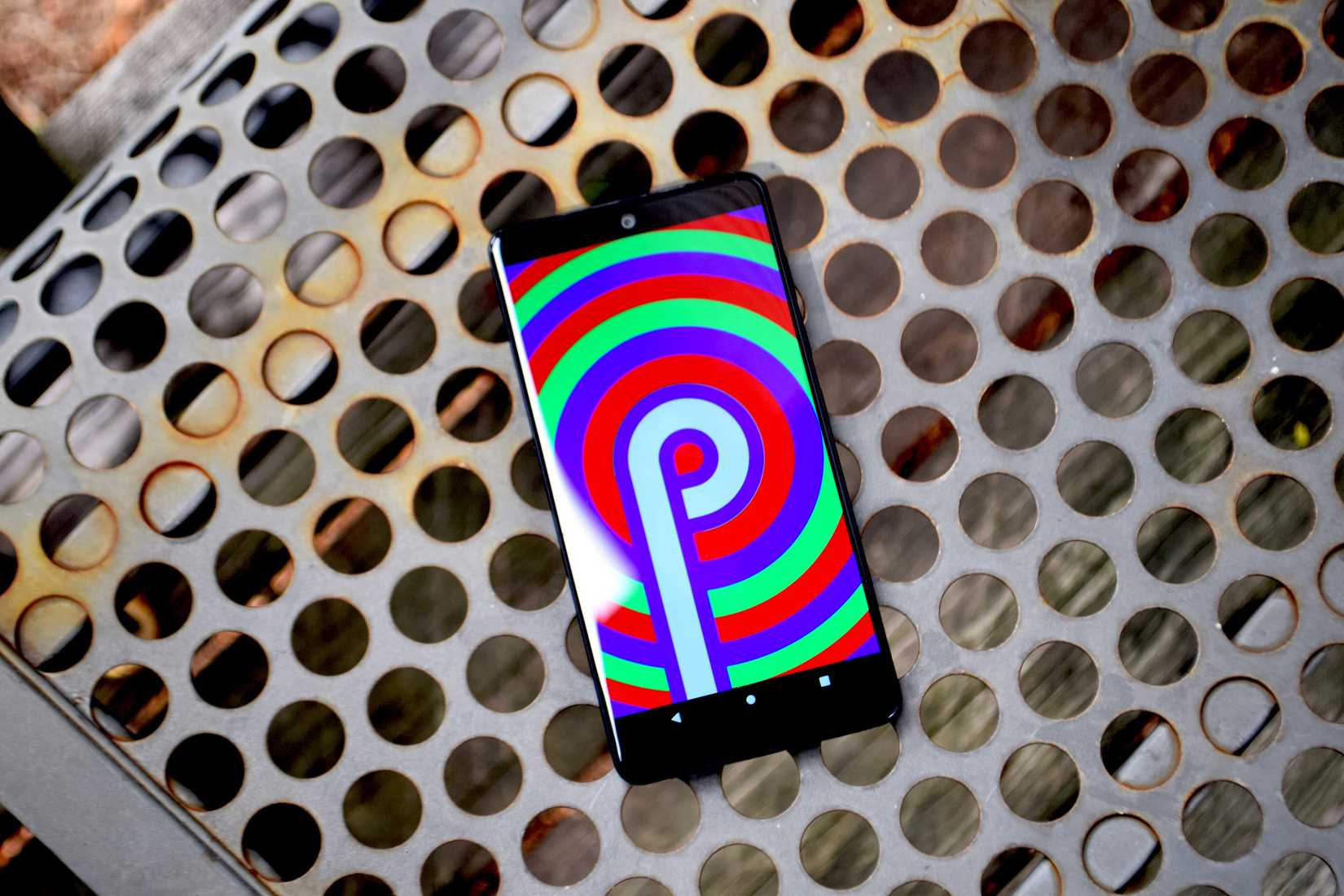
Credit: Davidlamma / Wikimedia Commons
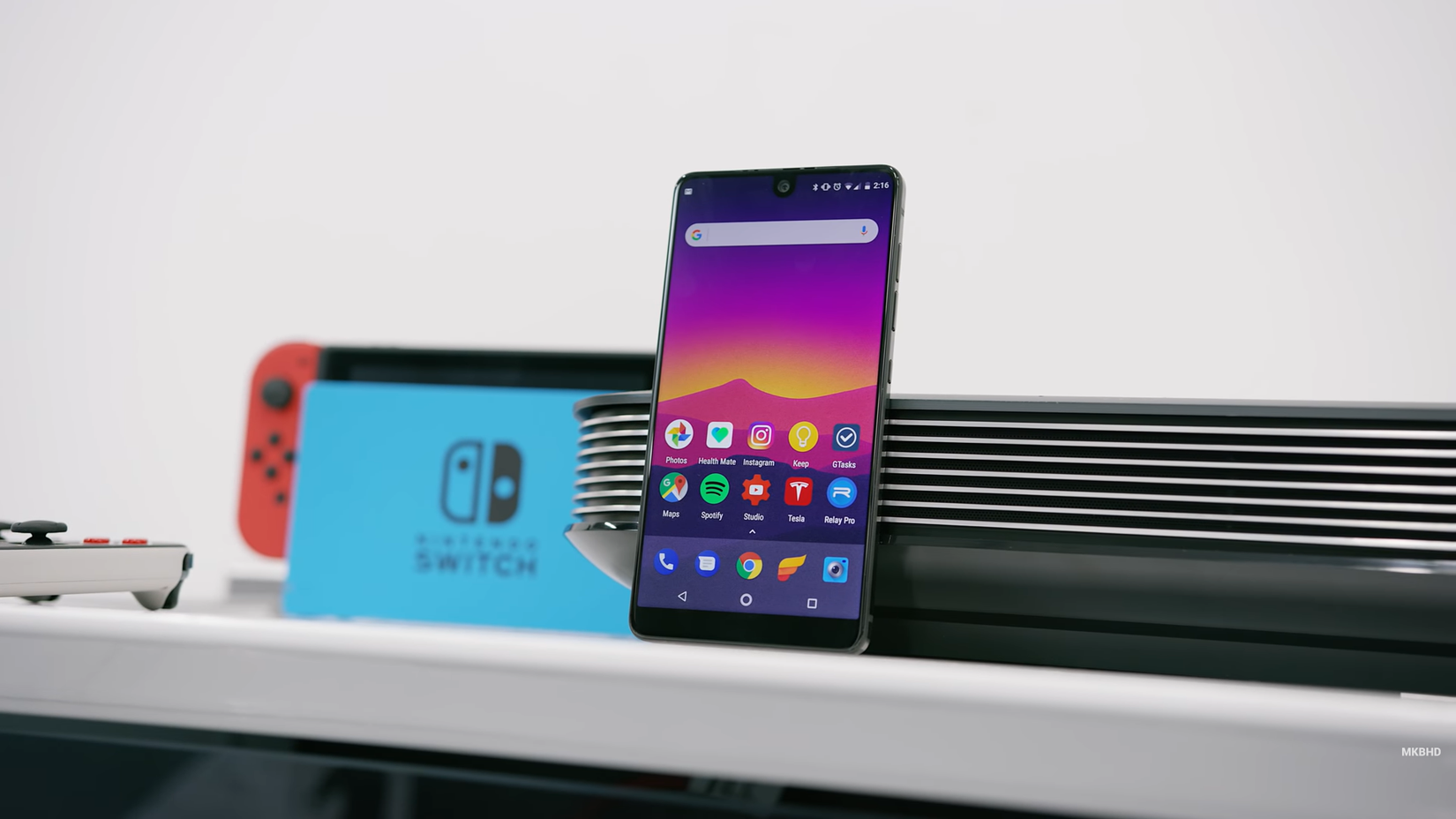
Essential launched its first and only smartphone, the PH-1, in August 2017. It shipped with a near-stock version of Android 7.1.1, offering the cleaner software experience associated with stock Android, and promised two years of Android version updates alongside three years of monthly security patches. Essential eventually proved that this commitment was substantive. The PH-1 received both Android 9 and Android 10 on the same day as Google’s Pixel phones. The experience was not entirely free of bundled software, however, as US carrier partner Sprint still pre-installed a small number of apps.
The hardware was equally ambitious. Essential used titanium for the frame and ceramic for the back, rather than the aluminum frames and glass backs found on many competing flagships. That positioned the PH-1 as a premium device built to feel durable and distinctive in a market where most phones were beginning to look increasingly similar.
Its display featured a compact camera cutout rather than a conventional top bezel, making the PH-1 one of the earliest smartphones to adopt the notch design that would soon become widespread. It reached the market before Apple’s iPhone X and anticipated a trend that would spread across Android flagships throughout 2018.
Essential also added magnetic pins to the back of the phone, allowing accessories to attach without occupying the USB-C port or requiring a special case. Its 360-degree camera demonstrated the idea, and an audio adapter followed much later, but the broad ecosystem of future-proof accessories implied by the original pitch never materialized. On paper, the PH-1 still closely matched Rubin’s vision for Android hardware: premium materials, clean software, rapid updates, and features designed to distinguish it at the top end of the market.
The launch undercut the pitch before reviewers even got hold of it
Promised in 30 days, shipped 57 days late
Credit: Marques Brownlee / YouTube
Essential announced the PH-1 in late May 2017 and confidently promised that the phone would ship within thirty days. Customer shipments eventually began on August 25, nearly two months after that promised window had expired. The phone also arrived with a camera system that early reviewers consistently found disappointing for a device competing at the top of the market. Essential had priced it at $699, then permanently dropped it to $499 just two months later.
The cut came so quickly that the company offered early buyers a $200 code toward another PH-1 or its 360-degree camera, turning what might have passed as an aggressive promotion into a fairly blunt admission that the original price had missed the mark.
Related
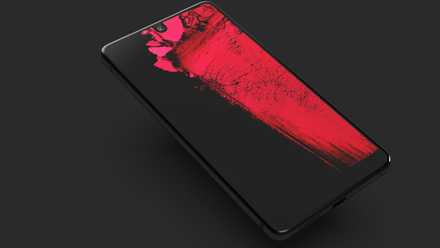
9 Reasons Why the Essential Phone Is My Favorite Phone Yet
If you need a new phone, the Essential Phone provides a fantastic value. Here’s why it’s my favorite Android phone ever.
Distribution presented another problem. Sprint was Essential’s only US carrier partner, limiting the PH-1’s visibility in the carrier stores where many American buyers still encountered and purchased new phones.
Rubin’s reputation still gave Essential considerable pull with investors. A $300 million funding round in mid-2017 helped push the company’s valuation to around $1.2 billion before many of the phones it was financing had even reached customers. Sales never came close to matching that confidence.
By May 2018, Bloomberg reported that Essential had sold only about 150,000 phones, a negligible figure in an industry where successful flagships sold by the millions. The phone built to correct Android’s deepest frustrations ended up selling like an obscure newcomer because, beyond the technology press, it was exactly that.
The scandal arrived exactly when the company needed a second act
$90 million, and a founder who became the story
Credit: VOA News / Wikimedia Commons
In October 2018, The New York Times reported that Google had investigated a sexual misconduct complaint against Rubin from a former subordinate, found the allegation credible, and asked him to resign in 2014. According to the report, Google then approved an exit package worth about $90 million while publicly presenting his departure as amicable. Rubin denied the allegation and maintained that he had done nothing wrong.
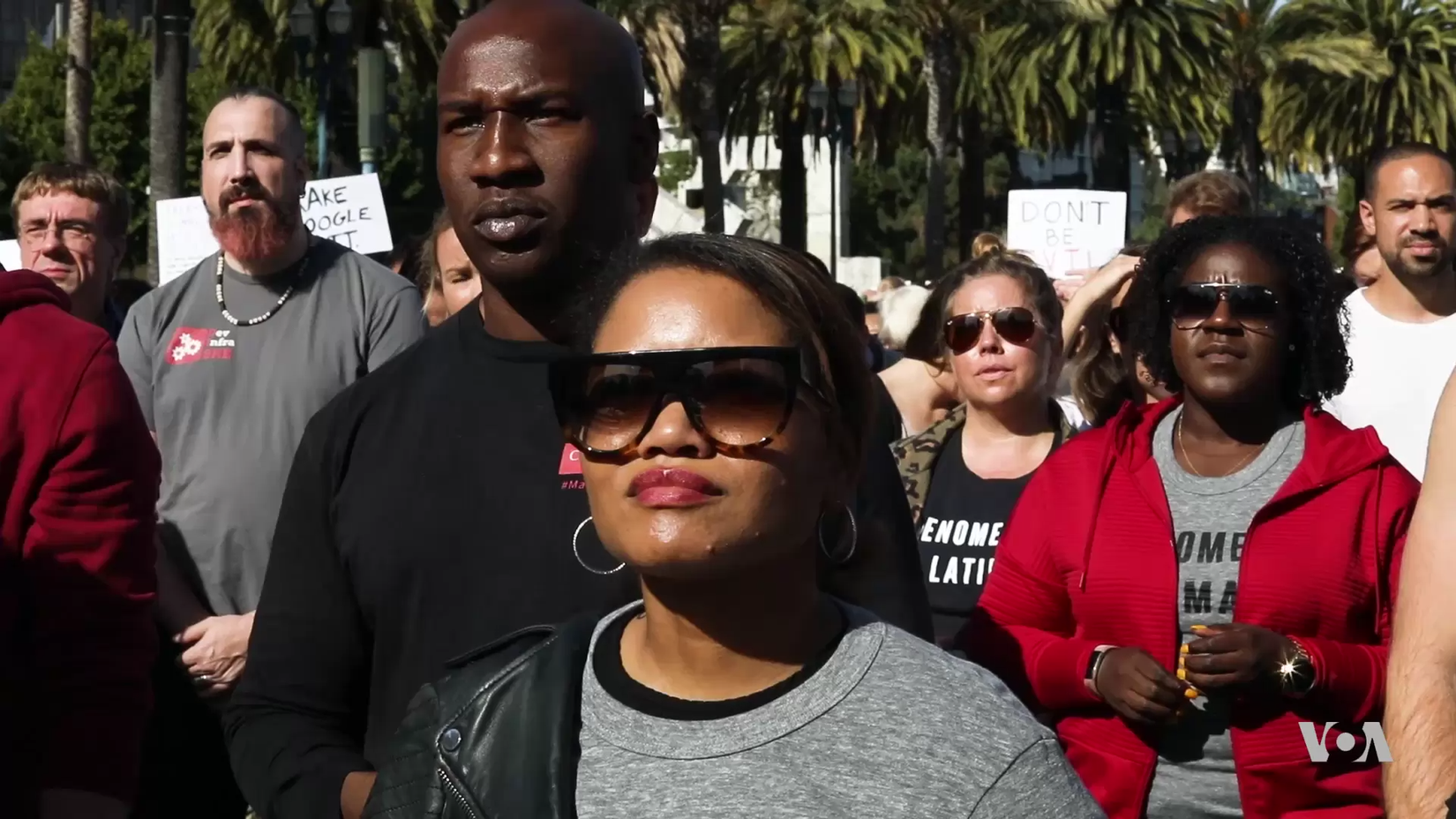
The report prompted a major backlash among employees. Days after its publication, more than 20,000 Google employees and contractors joined walkouts around the world to protest the company’s handling of allegations of misconduct involving senior executives.
Essential was already searching for a second act after reportedly canceling work on a conventional PH-1 successor. Rubin had also taken a brief leave of absence from the company in 2017 after earlier reports about Google’s investigation emerged.
The Times report made Rubin’s controversy inseparable from Essential at precisely the point when the company needed its future products to rebuild confidence. It did not create the company’s weak sales, canceled hardware, or uncertain product strategy, but it made an already difficult reinvention even harder. For a young hardware company whose credibility was closely tied to its founder, every discussion of its future products now unfolded beneath the shadow of questions about the man behind them.
Project Gem never got the chance to matter
A phone shaped like a remote, and no clear path to sell it
Credit: ShortCircuit / YouTube
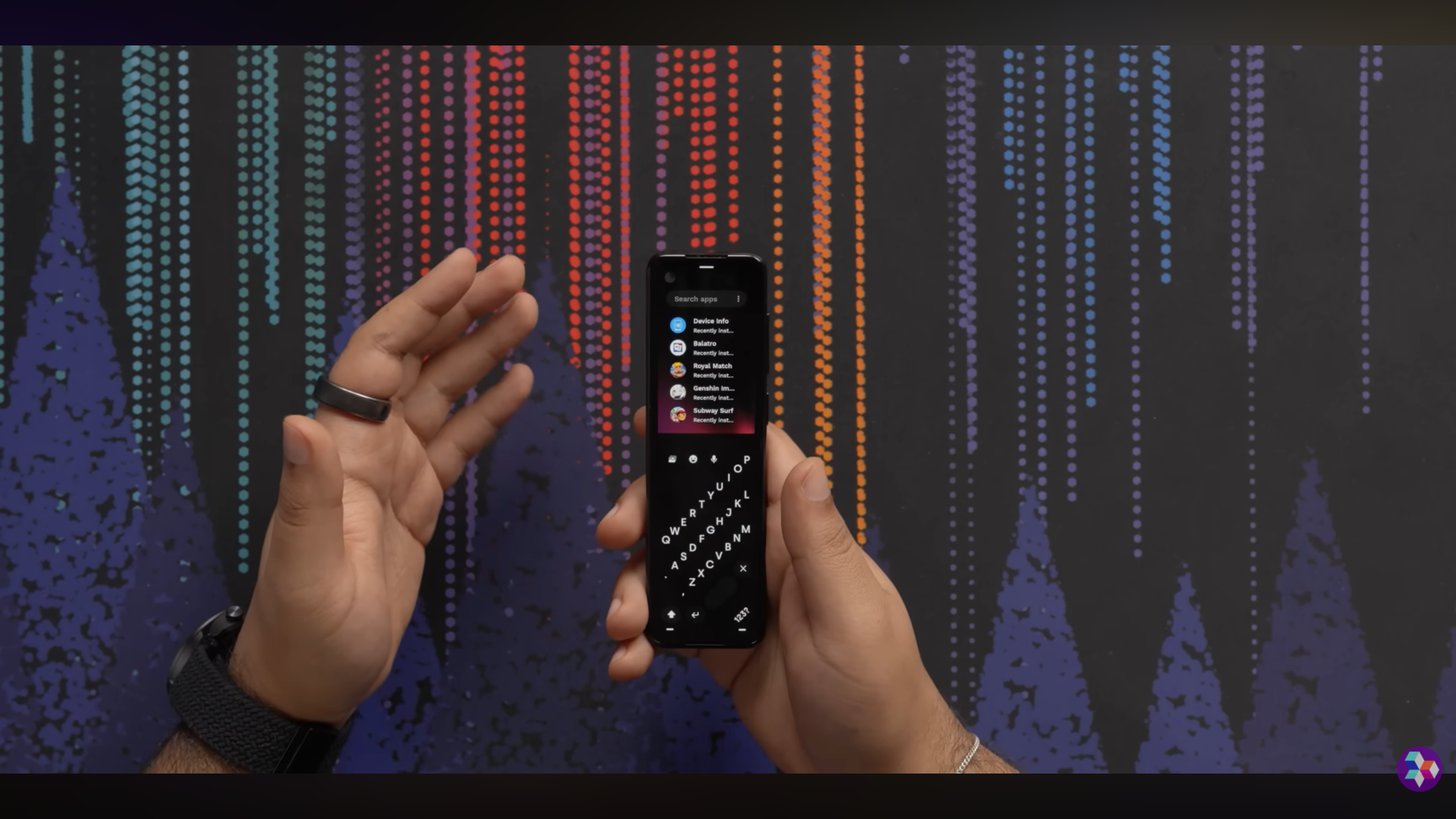
In October 2019, Essential teased a strange, elongated device called Project Gem, with a tall and narrow design built around one-handed interaction. It was not a conventional PH-1 successor, but an attempt to rethink how people used a mobile device. It never reached customers.
On February 12, 2020, Essential announced that it had taken Gem as far as it could but had no clear path to deliver it to consumers. The company shut down, and the PH-1’s final security update had been released just nine days earlier.
The bug was never only in the code
The PH-1 proved that an Android manufacturer could combine premium materials, restrained software, and updates delivered without the usual delays. It also showed that those qualities could not compensate for a troubled launch, weak distribution, a disappointing camera, and an accessory ecosystem that never materialized.
Rubin’s reputation had helped Essential attract attention and investment when it launched, but his reputation later became another problem the company could not escape. He had built Essential around the flaws he saw in the smartphone industry. Eventually, the man at its center became its greatest liability, and no amount of titanium was going to patch it.