
More than a million Aussie borrowers could find themselves trapped in a “mortgage prison” as extreme repayment stress jumps to highest level since 2024 – and it’s lower-income households who are copping the brunt.
According to new Roy Morgan research, the nationwide rise is being driven primarily by households earning less than $100,000 and those in lower socio-economic brackets.
About 1.53 million homeowners are currently “at risk” of mortgage stress. iStock
The data found an estimated 1.06 million mortgage holders (19.8 per cent) were ‘Extremely at Risk’ of mortgage stress in the six months to June 2026, up from 16.7 per cent in December 2025, and now higher than in June 2024 (19.3 per cent).
Roy Morgan chief executive Michele Levine said the “extremely at risk” level is based on people putting between 25 per cent and 45 per cent of their after-tax household income towards their home loan.
She said the percentage is based on the appropriate standard variable rate reported by the RBA and the amount the mortgage holders initially borrowed.
“The rise in mortgage stress was underpinned by a combination of rising home loan interest rates and rising inflation, and the volatile impact of the Iran war,” Levine said.
A jump in mortgage holders “at risk” of mortgage stress, which is a step below extreme risk, increased from 25.2 per cent in December last year to 28.5 per cent in June.
That is about 1.53 million homeowners.
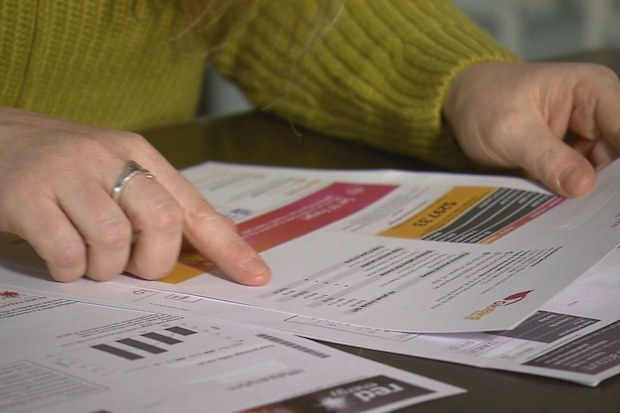
The Roy Morgan study found that households earning $100,000 or less were at the highest risk of mortgage stress. 9News
The research said a decline in mortgage stress from June 2024 to December last year was driven by wage growth as inflation declined, income tax cuts, home loan interest rate cuts and a rising share market.
However, a recent rise in interest rates and inflation this year introduced mortgage stress to more households across Australia, with lower-income families bearing the brunt after little relief over the past 18 months.
While the top 60 per cent of earners saw their mortgage pressure ease between mid-2024 and late 2025, the bottom 40 per cent saw no break at all.
For these households, financial stress either got worse or didn’t budge.
The data found that lower-income families took the full impact of the latest jump in early 2026, driving extreme mortgage stress among lower-income households up by about 11 per cent.
While the rising inflation rates in 2026 impacted households of all income-levels the pressure was significantly more for lower earners making less than $100,000.
Unlike higher-income households, this group has faced steady increases in mortgage stress since mid-2024, jumping another 5 per cent earlier this year.

About 1.53 million homeowners are currently “at risk” of mortgage stress. Supplied
Fears of exploding levels of borrowers in ‘mortgage prison’
As property prices continue to drop across Australia and interest rates trend upwards, some borrowers are finding themselves trapped in their current mortgages with no way out.
Mortgage prisoner is the apt term for a borrower trapped in their current mortgage who is unable to refinance their loan.
There can be a mix of factors leading to a borrower becoming trapped in their current loan including their home declining in value, interest rate hikes, or income changes.
Finance Brokers Association Australia director Peter White said banks assess a borrower’s “serviceability” or how much you can afford to pay at a different rate.
For example, interest rates could sit at 5 per cent but the lender will look at your ability to pay up to 8 per cent.
Not only are the current interest rate rises driving more people into the trap but White said banks have “the nasty habit of repricing the back book”.
“They look at existing customers and put their home loan rate 0.45 to 0.7 per cent above what other people are paying,” White said.
This means people who are already in a mortgage prison become even further entrapped and White warned more and more people are getting stuck.