
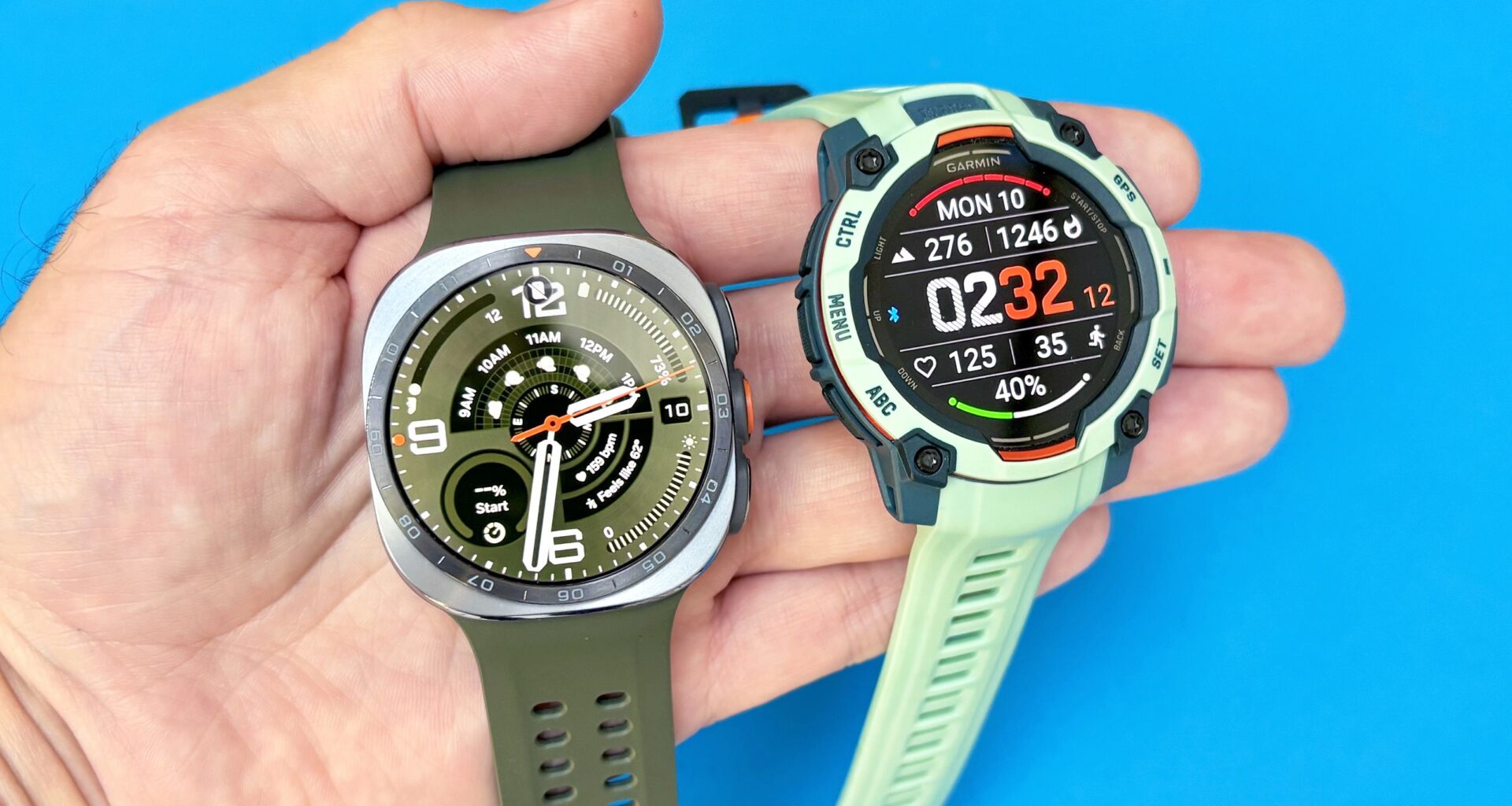
Which rugged smartwatch is the more reliable fitness tracker for cyclists, the new Samsung Galaxy Watch Ultra 2 or the Garmin Instinct 3? I decided to find out.
Having just tested the Galaxy Watch Ultra 2 vs Instinct 3 while e-mountain biking in the Northern Cascades — Garmin won decisively — I decided it was time for round 2. This time, I tested the two watches in a city setting along one of my favorite routes through central Seattle, Washington.
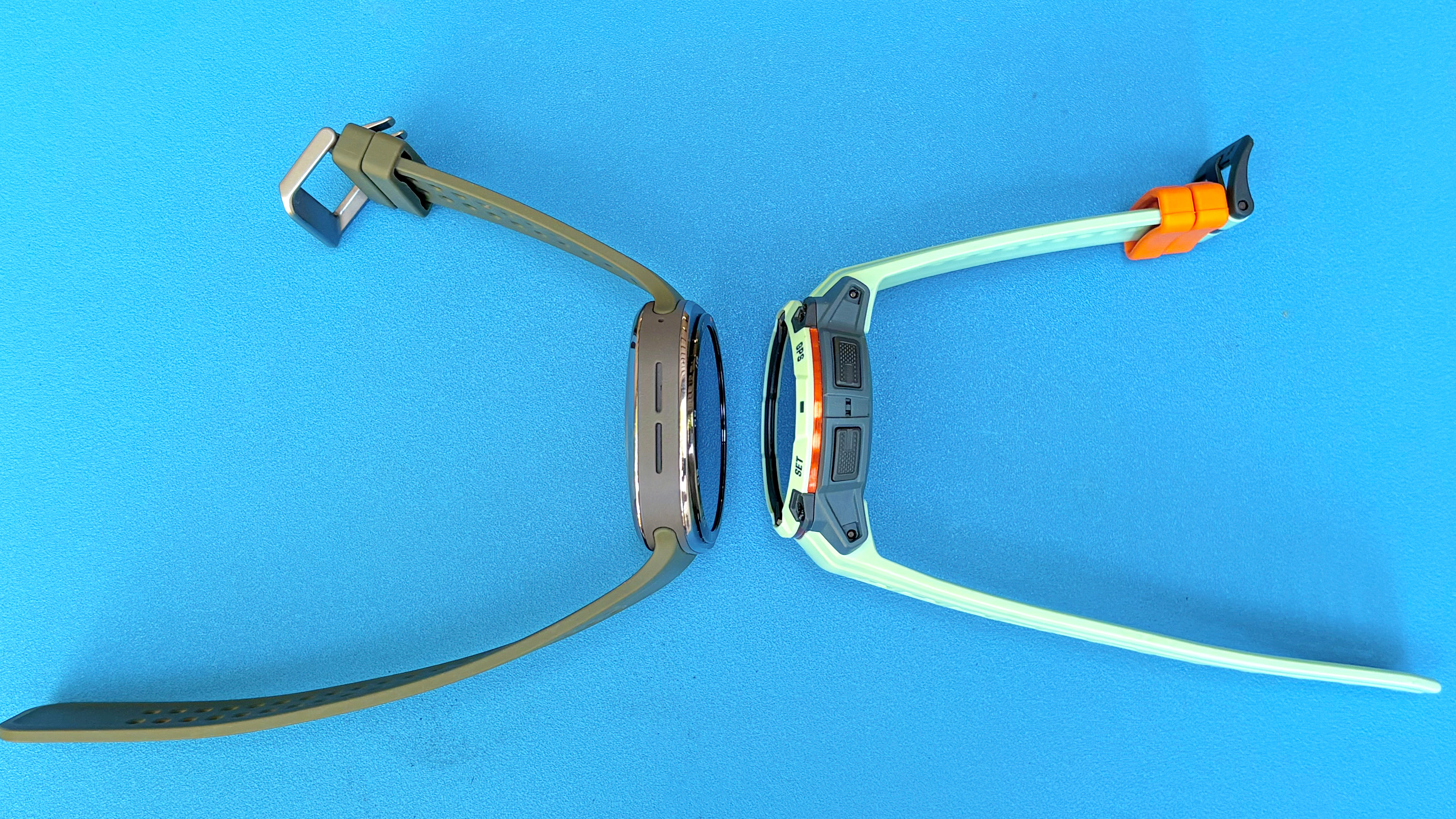
I biked 11 miles with the Garmin Instinct 3 vs Samsung Galaxy Watch Ultra 2
(Image credit: Dan Bracaglia/Tom’s Guide)
With the Samsung on my left wrist and the Garmin on my right, my roughly one-hour ride took me through densely populated neighborhoods, alongside neat rows of postcard-worthy houseboats, beneath towering canopies of evergreens, and past buzzing corporate campuses.
Read on for the results.
Swipe to scroll horizontally
Header Cell – Column 0
Garmin Instinct 3
Samsung Galaxy Watch Ultra 2
Strava
Distance
10.78 miles
10.88 miles
10.93 miles
Climb
761 feet
970 feet
675 feet
Average moving speed
11.7 mph
11.9 mph
11.8 mph
Top speed
27.7 mph
26 mph
27 mph
Average heart rate
159 bpm
159 bpm
n/a
Max heart rate
175 bpm
175 bpm
n/a
Calories burned
674 total calories
588 total calories
n/a
Battery usage
5%
5%
n/a
All three tracking methods noted similar distance and speed
In addition to logging my bike ride with the two smartwatches, I also recorded it using the Strava app on my handlebar-mounted iPhone 16 Plus. Using Strava as our control, all three tracking methods recorded roughly the same total distance, give or take a tenth of a mile or two… but the Samsung was closer.
You may like
The Galaxy Watch Ultra 2, Instinct 3, and Strava also recorded roughly the same average moving and max speed, which is reassuring to see. In this case, assuming Strava is again on the money, the Garmin was a little more accurate than the Samsung.
Samsung climb data is (again) inflated
(Image credit: Rebecca Michalak)
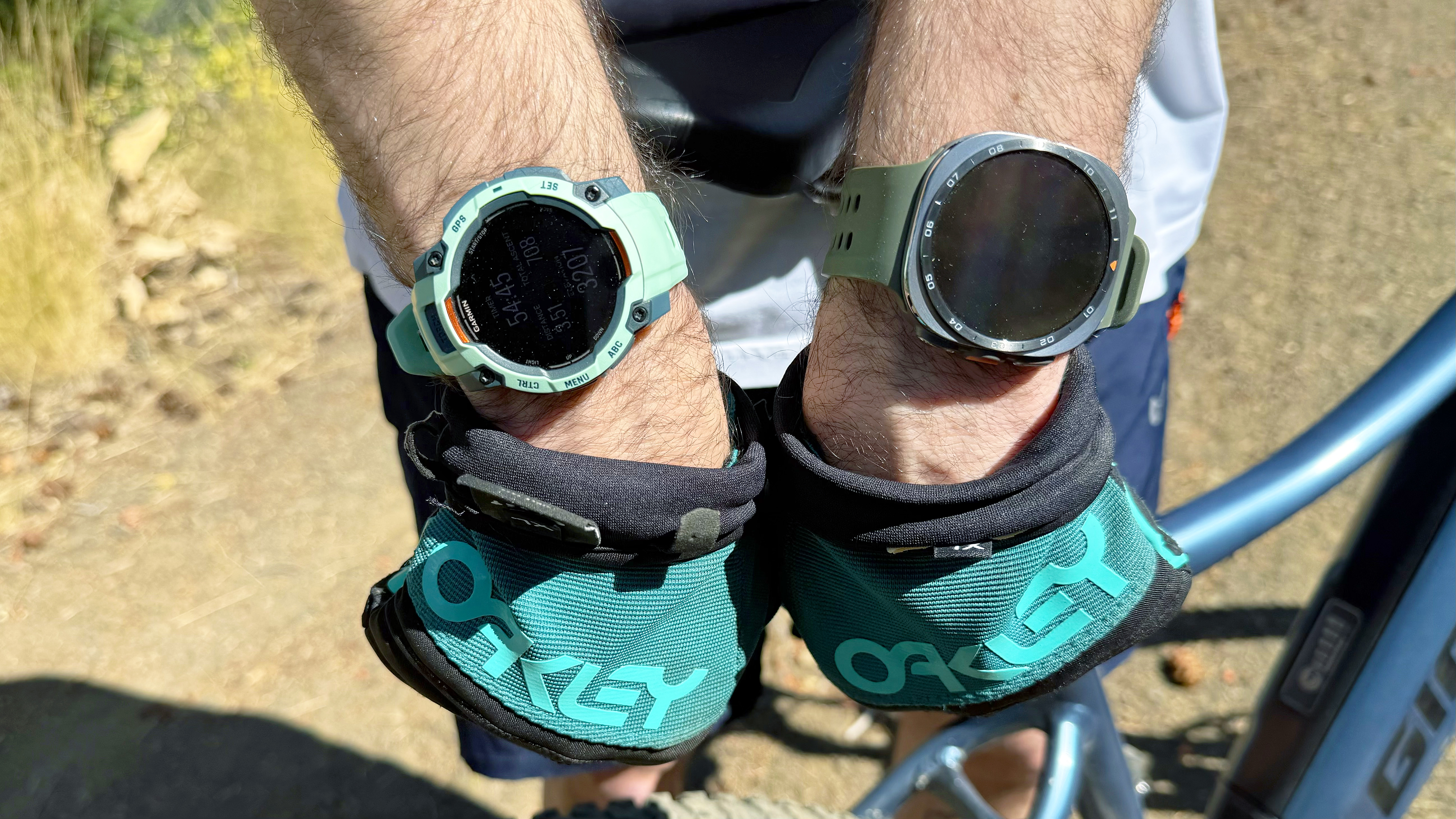
This is the third time I’ve tested the Samsung Galaxy Watch Ultra 2 against other devices, and it resulted in noticeably inflated climb data compared to its peers. For example, I discovered the same when I took the Galaxy Watch Ultra 2 hiking in the North Cascades, and again when I went e-mountain biking.
I’ve reached out to Samsung for comment on these results and will keep you posted on the brand’s response. Meanwhile, Garmin also inflated my uphill efforts, just by a more forgivable amount.
It’s worth noting that this is a bike route I’m deeply familiar with and have logged many times with a wide range of trackers. As a result, I’ve come to expect the total elevation gain for the ride to be somewhere between 675 and 725 feet.
Heart rate data also lines up nicely
(Image credit: Dan Bracaglia/Tom’s Guide)
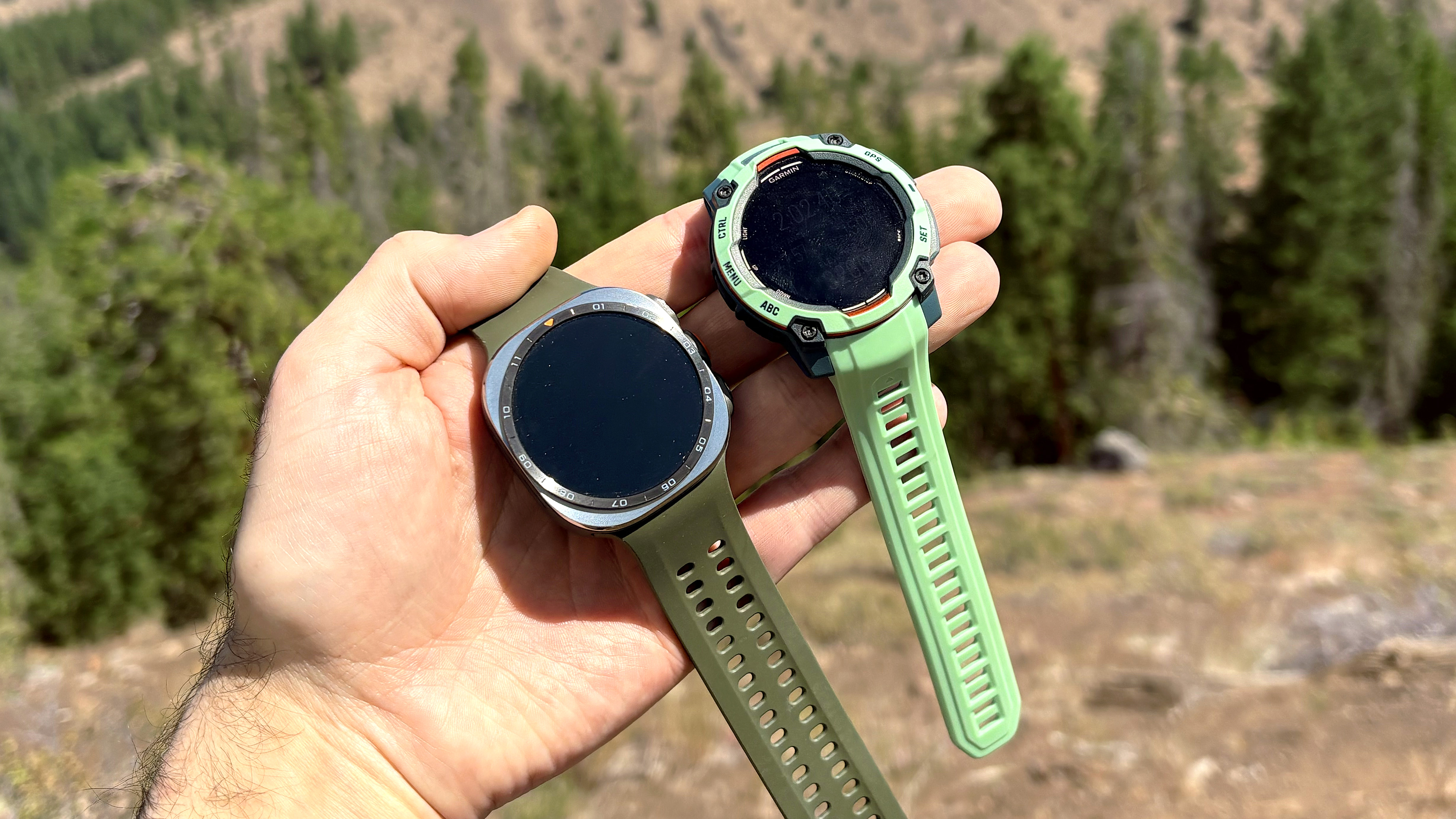
Thankfully, elevation gain is the only metric where the data doesn’t agree/upset my stomach. Moreover, it warms my heart to see that my average and max heart rates are a perfect match between the Samsung Galaxy Watch Ultra 2 and Garmin Instinct 3 for this ride.
What to read next
While the Galaxy Watch Ultra 2 uses Samsung’s latest health sensor tech, the Instinct 3 uses Garmin’s next-to-latest sensor array.
Both watches performed well, but I’d still opt for the Garmin
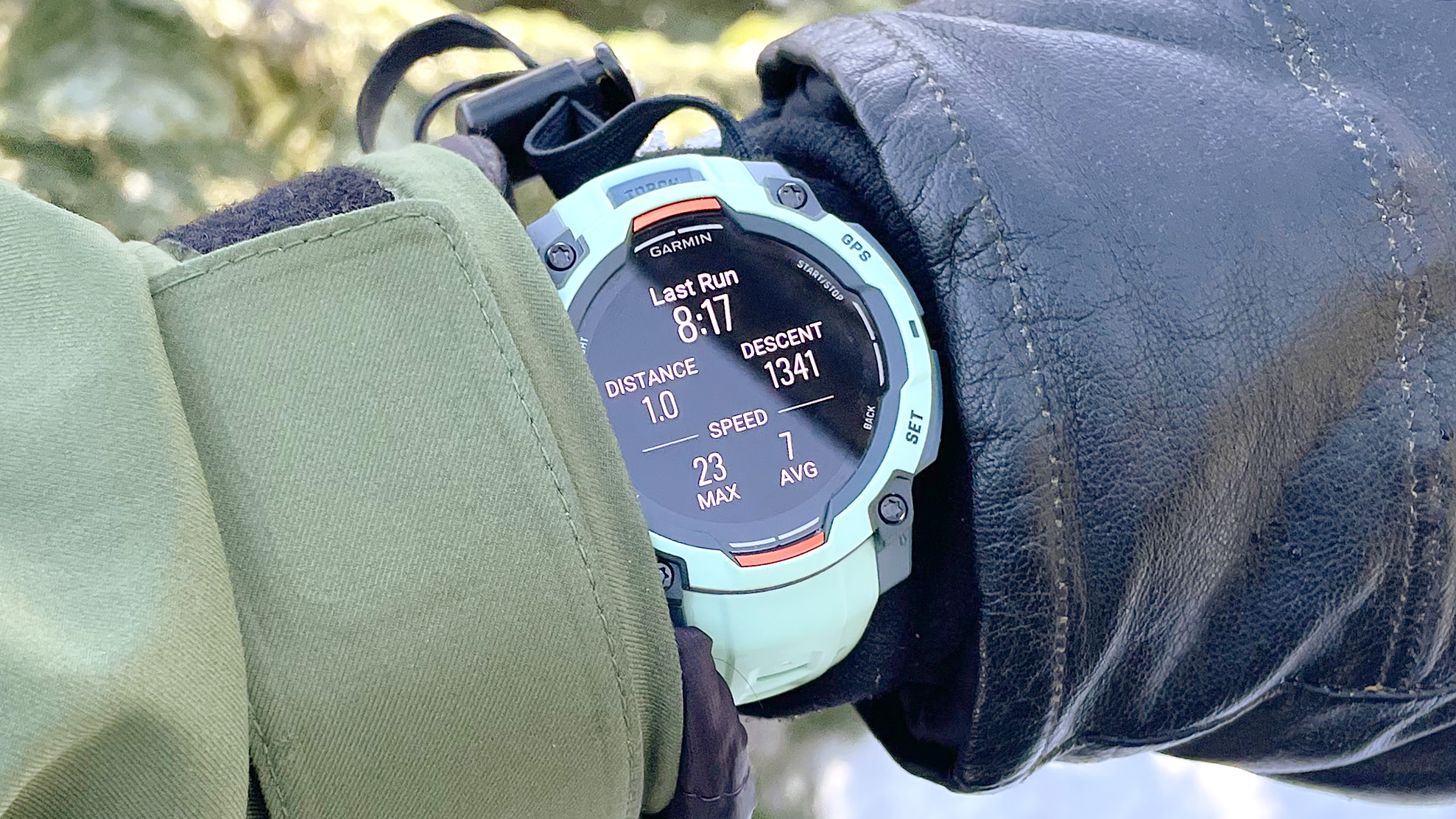
(Image credit: Dan Bracaglia/Tom’s Guide)
From heart rate to battery usage to speed and distance, both the Garmin Instinct 3 and Samsung Galaxy Watch Ultra 2 performed admirably in this 11-mile bike ride tracking comparison. Despite one outlier — Samsung’s inflated ascent data — I’m pleasantly impressed by the performance of both.
Of course, the Garmin Instinct 3 has been my go-to smartwatch for any and all outdoor adventures, from hitting the trails to the slopes to the water. And even though I’m impressed by the Galaxy Watch Ultra 2, I’ll likely stick with the Instinct 3 for the foreseeable future for logging these types of activities.

Follow Tom’s Guide on Google News and add us as a preferred source to get our up-to-date news, analysis, and reviews in your feeds.