
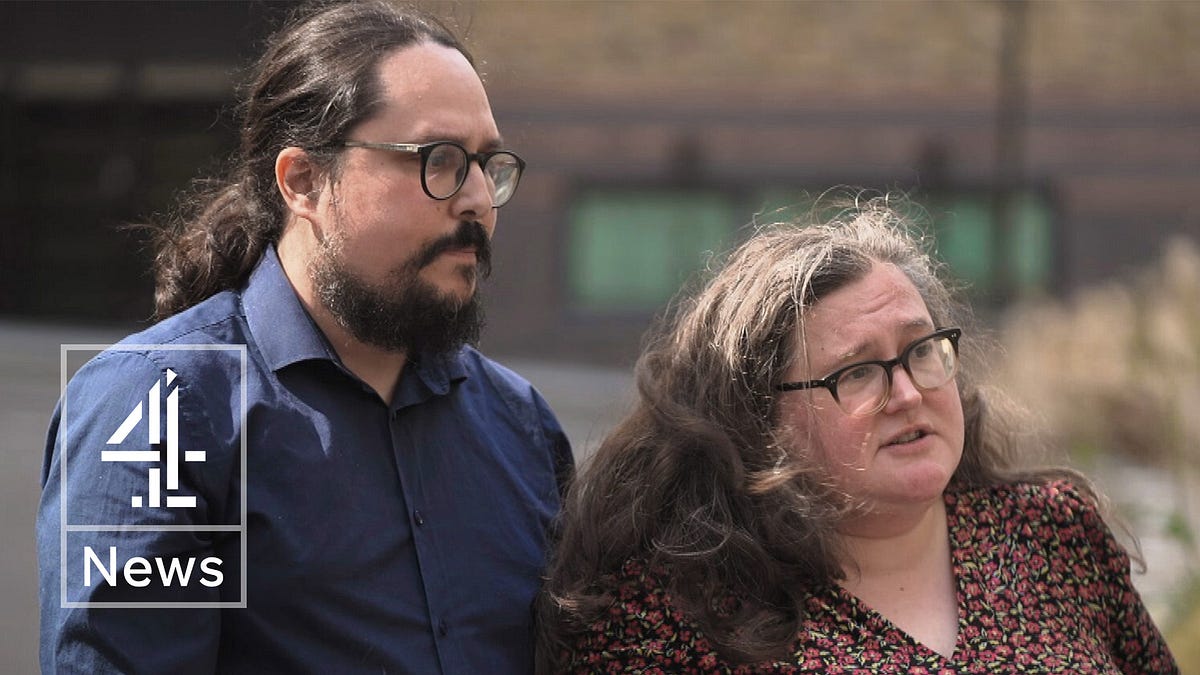
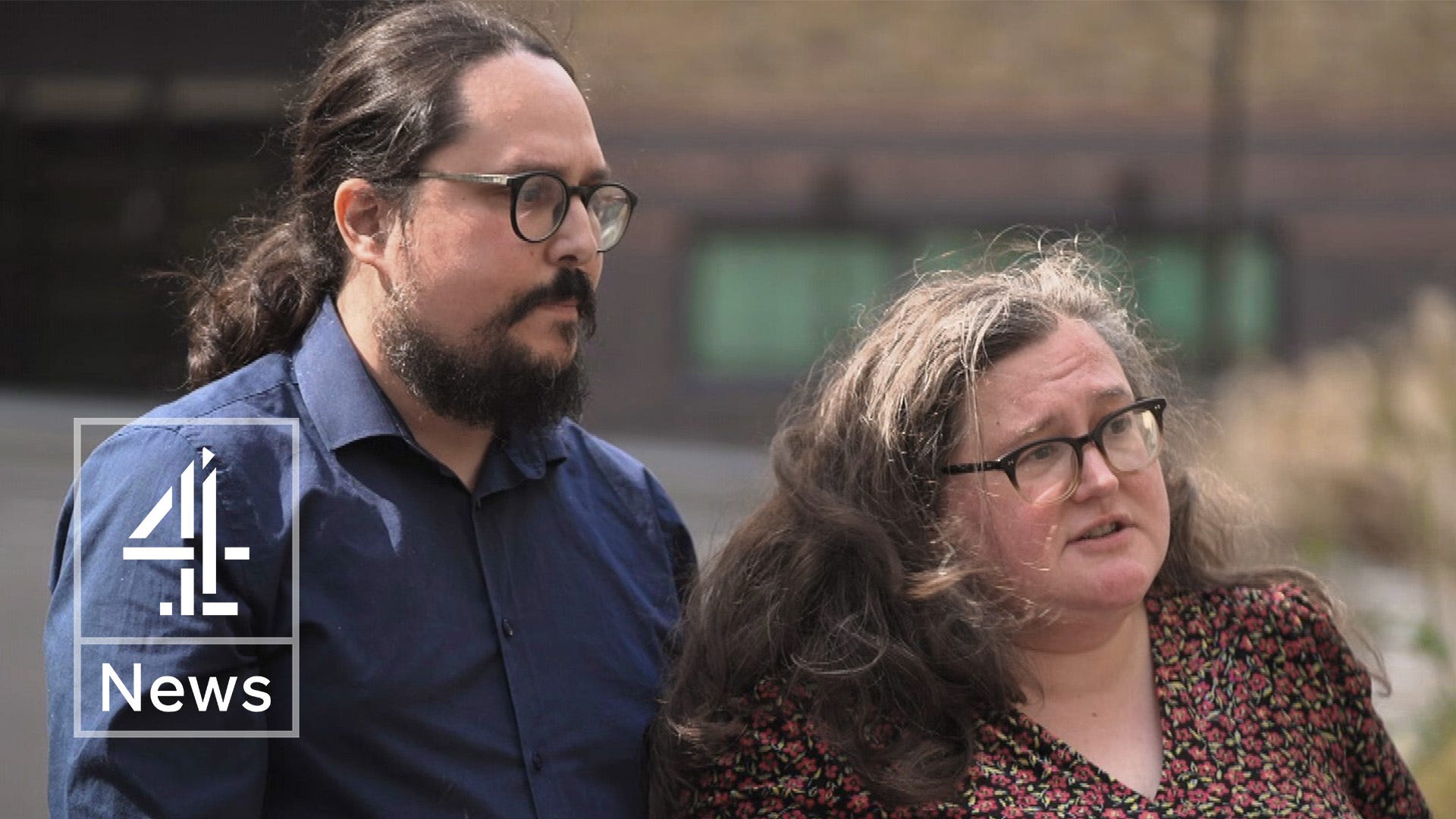
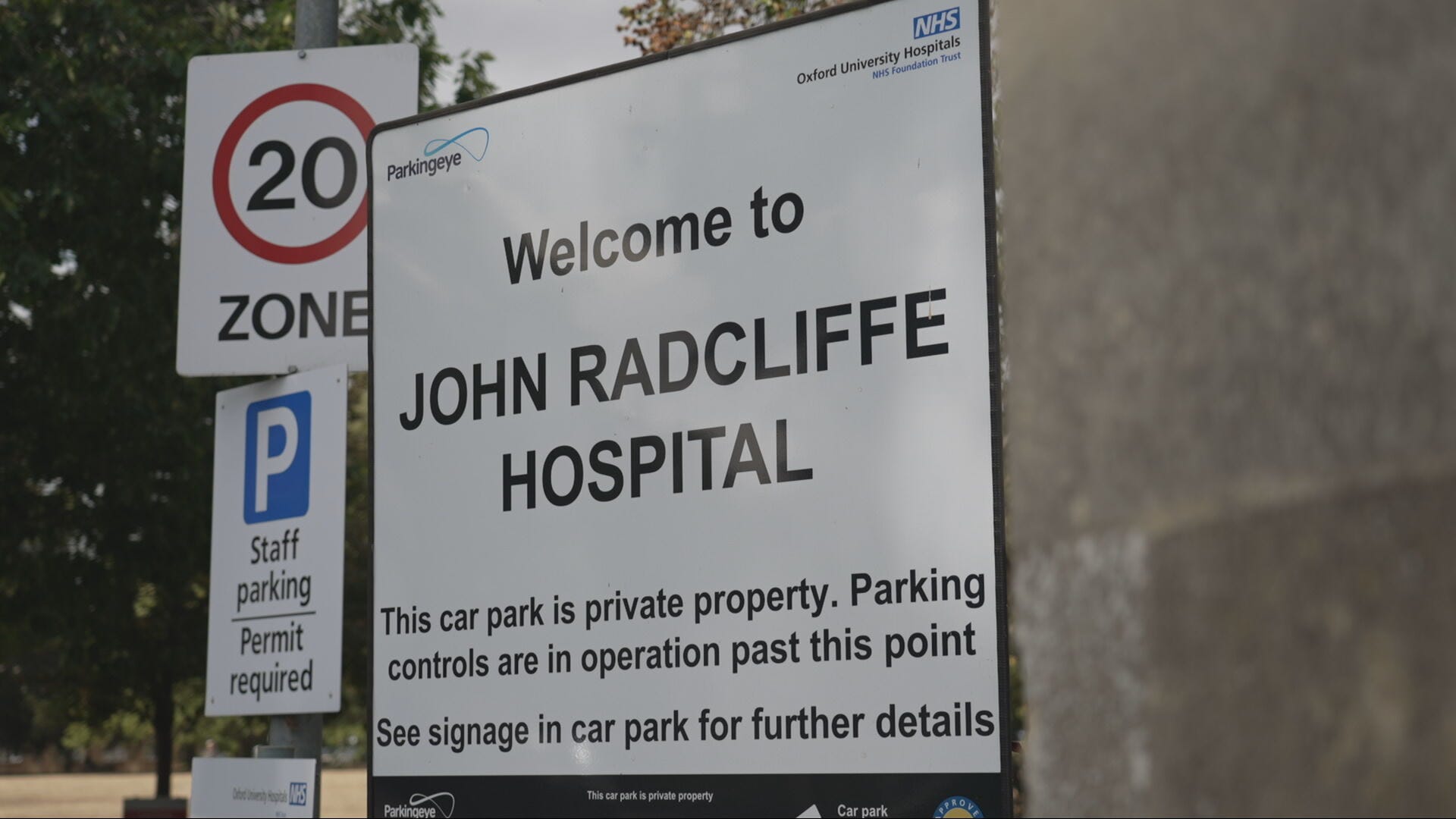
Alice Topping and Pedro Jacob have fought for three years now for answers after their daughter Smokey died during labour at the John Radcliffe Hospital in Oxford.
We have highlighted what happened to them several times on Channel 4 News but there has always been that feeling that they were not being listened to.
It is probably the most common feature in every maternity scandal piece we do.
But in their case, there now comes some form of vindication. Not enough in any way to compensate for Smokey’s death, but a glimmer.
One of the couple’s complaints against Oxford University Hospitals NHS Foundation Trust (OUH) was its maternal scanning protocol. National guidelines say that a woman at high risk (and Alice was because of her age, weight and high blood pressure) should be scanned after 36 weeks and up until delivery.

OUH, though, thought differently. The Oxford Growth Restriction Identification Programme, or OxGRIP, was introduced with the aim of reducing stillbirths. It offered women scans up to 36 weeks and those at high risk have an added scan at 28 and 32 weeks.
Alice was 41 weeks when a midwife twice ordered a scan. It did not happen despite Alice making 44 phone calls in one day.
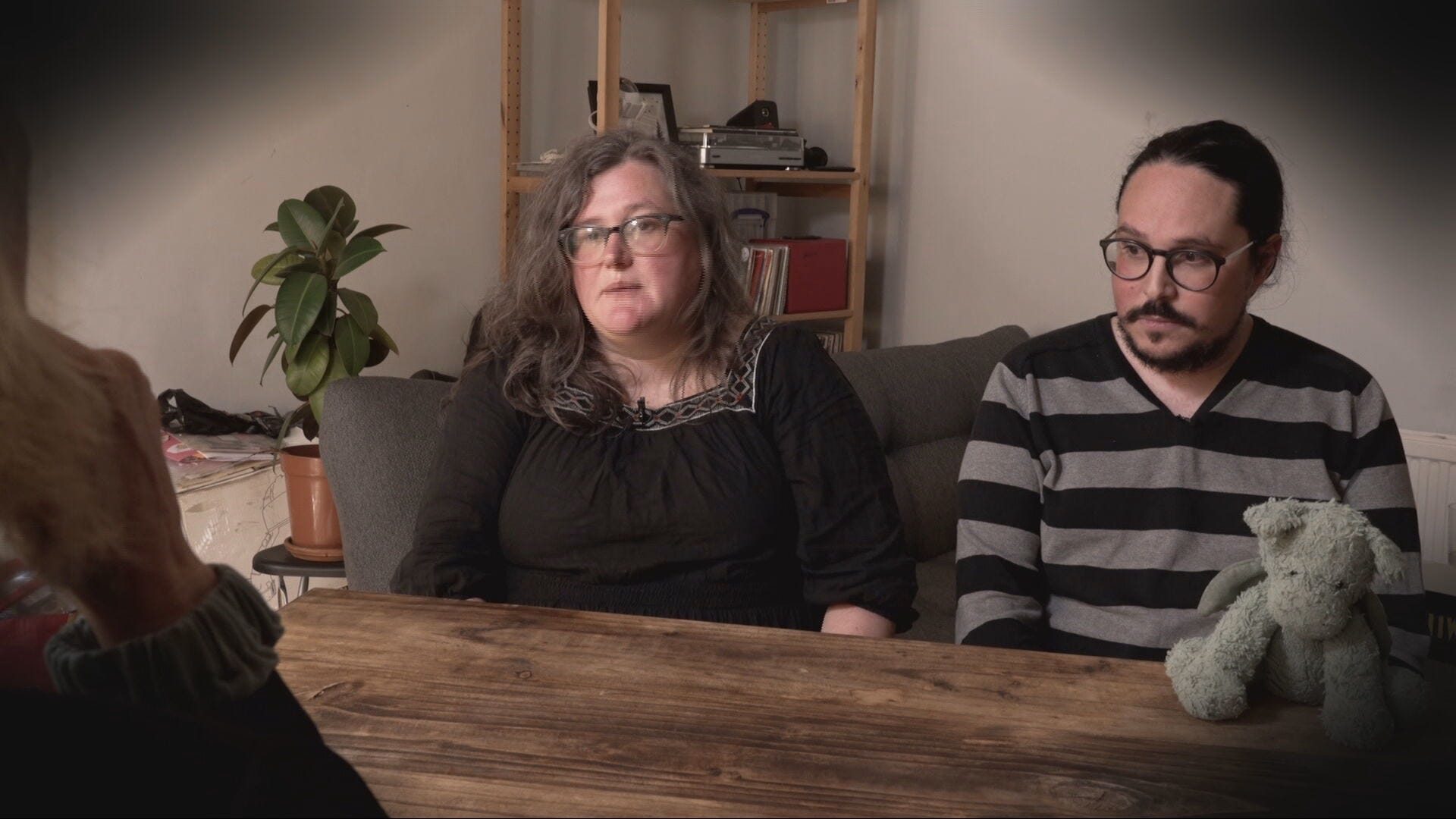
Despite the couple, pictured below, complaining to the hospital, followed by Channel 4 News and the New Statesman raising questions about this protocol, OUH said it stood by it.
But in the rapid maternity review ordered by the Government, published in June, the review team questioned the scanning protocol.
Last month, OUH announced it would now offer scans beyond 36 weeks if they are needed.
Channel 4 News has also now learned that NHS England – commissioned by the Department of Health and Social Care – has launched its own investigation, which will include an examination of OxGRIP and its policy on maternal-request caesarean sections.
The Trust told us it has commissioned its own external independent review that will “examine the safety, clinical effectiveness and resource implications of the scanning pathway, how it was governed, the information provided to women and families, and whether the pathway should continue”.
It added that “the NHS England Regional team has already reviewed the matters raised by Channel 4’s original investigation and has been provided with the information requested”.
At the same time, the Health Research Authority (HRA), which ensures research is ethically reviewed, approved and is transparent, has said that it does not have evidence that information provided to people was sufficiently specific for it to make an informed decision about participation in OxGRIP between 2017 and 2024.
It added: “Had we been asked about OxGRIP at the time, we would likely have advised that it should be classified as research and submitted for review by a Research Ethics Committee.”
Alice Topping said today that until they got the media involved, their concerns were being dismissed.
“It’s very worrying. There’s some serious issues that we raised and that came up in our daughter’s death, that pregnant women were being experimented on without their knowledge or consent.”
The Trust said that following the HRA’s feedback, it has taken steps to strengthen the information provided to patients.
It also once again said that it was deeply sorry for the tragic loss of Smokey.
Alice and Pedro remain convinced, however, that until there is a statutory public inquiry into England’s maternity services, there won’t be the change needed to save more babies’ lives.