
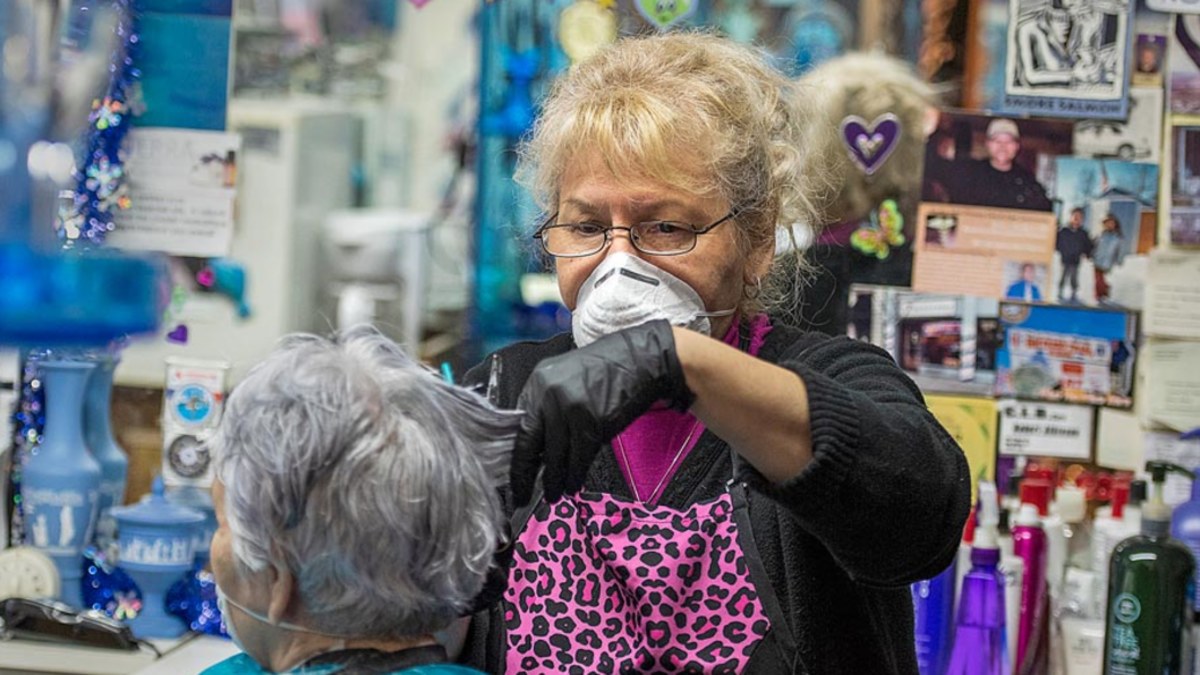
Gabbing to your hairdresser is considered a core tenet of the salon experience – but there is a darker side to this time-honoured ritual that many overlook.
Australia’s beauty sector is facing growing calls for qualification reform, as new research reveals stylists are expected to be “quasi-therapists” with no mental health training, workplace protocols or psychosocial support systems in place.
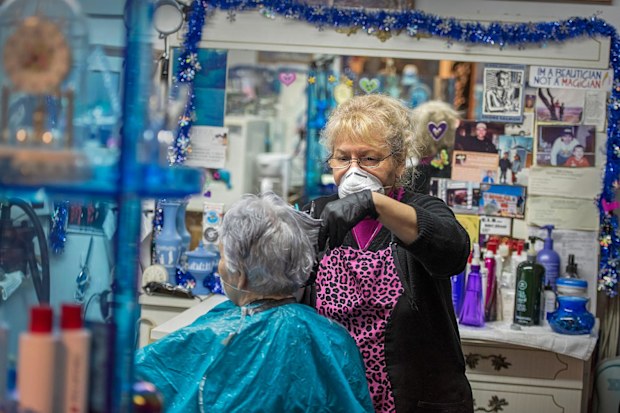
There are urgent calls across the hair and beauty industry for formal mental health training. AP
In a study conducted by the University of Melbourne, it was revealed stylists across years of interviews, surveys, ethnography and literature reviews considered heavy conversations with clients “part of the job.”
According to the study, the labour salon workers undertake is far beyond skin-deep, with many bearing the weight of customers’ woes as well.
“There is an assumption that what happens in salons is all about appearances, when in fact this work also involves intimacy and trust,” it said.
“While many people easily understand that jobs such as childcare, aged care, teaching and nursing involve care work, we less frequently talk about the care involved in hair and beauty salons.”
Based on the research findings, the report recommended the creation of fit-for-purpose wellbeing training for personal services in Australia.
“There is an urgent need for industry change to better train and support workers in undertaking this care work,” it stated.
Hairdresser Shaye Gundry agreed with this recommendation, saying these findings accurately reflected the day-to-day realities faced by clinicians and stylists across the country.
Having worked in the industry for over 20 years, she admitted conversations of this nature had always come with the territory – but it’s a side of the job some employees are ill-equipped for.
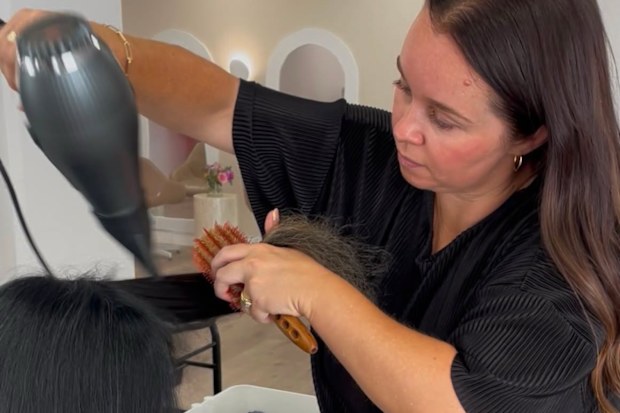
Shaye Gundry is a hairdresser with over 20 years’ experience in the industry. Shaye Gundry
“Sometimes we hear about really deep marriage breakdowns, grief, anxiety – and all of a sudden, we’re the untrained therapist,” Gundry told nine.com.au.
She described those within her profession as “accidental first-responders” – adding that in an industry where some apprentices are as young as 15, official guidance on how best to help clients in crisis is necessary.
“[For] people that don’t know how to handle certain conversations, I feel like a bit of training would benefit us.”
While there have been ongoing discussions about mental health training becoming part of the job, Gundry believes this process should be moving far quicker.
In 2021, hairdressers union Hair Stylists Australia launched a campaign calling for a full review of the current apprenticeship training package for prospective stylists.
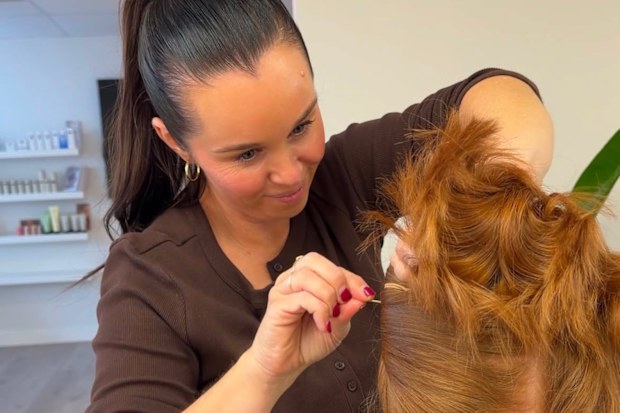
Gundry says hairdressers want to help clients – but are unsure how to. Shaye Gundry
It pushed to include a mental health module as part of an apprentice’s Certificate III course alongside perms, cuts and colours, but was unsuccessful at the time.
Speaking to Nine.com.au, Australian Workers Union organiser Uros Rasic described the current need for mental health training in the industry as “dire.”
“What we don’t see is the emotional trauma and the mental health implications employees are experiencing through this.”
He cited domestic violence-related discussions as a frequent occurrence – which often left stylists grappling with feelings of helplessness.
“They’re trying their very best in terms of referring people to agencies and making sure that their customers are in a safe space, but it’s very hard when you don’t have that training.”
According to Rasic, clients getting the help they might need is entirely dependent on the capacity of individual hairdressers – and implores tertiary institutions and polytechs to make further education a wider industry standard.
“Training providers need to embed it, we want government to back it and employers to meet their duties to make sure that everyone’s being looked after,” he said.