
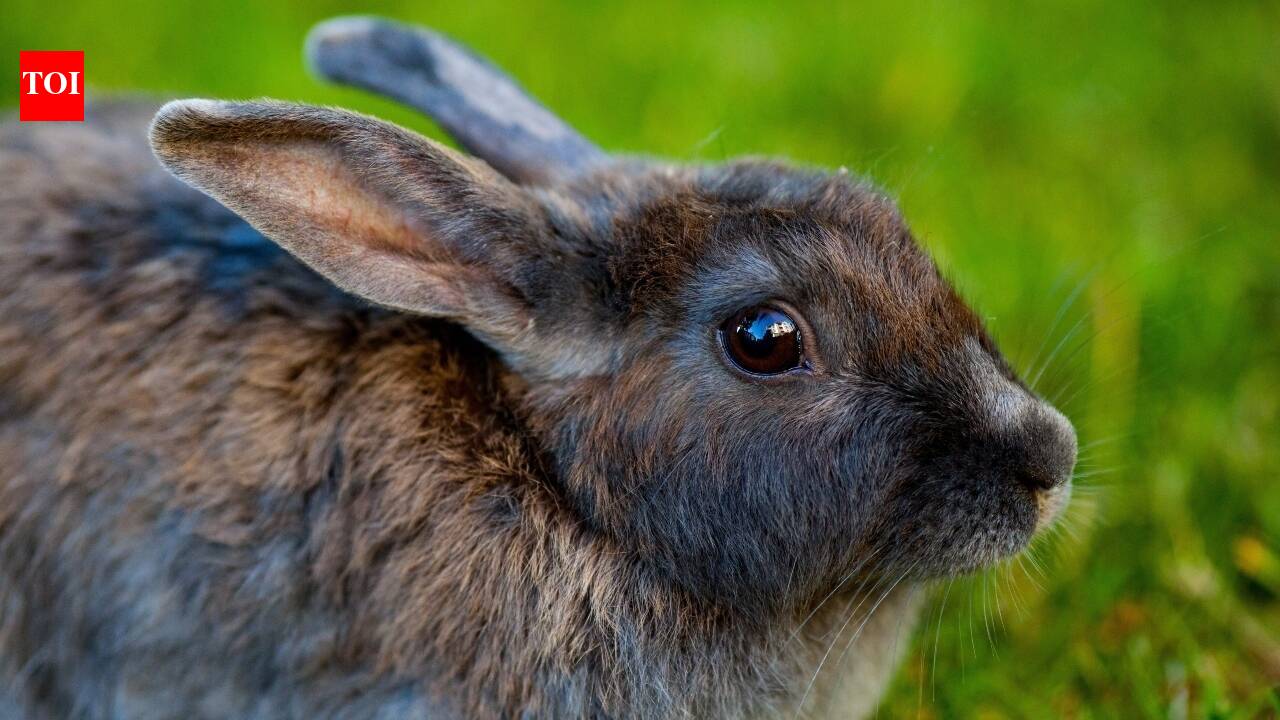
 A dark brown rabbit sitting in a grassy area in Richmond, British Columbia, Canada. Credits – Wikimedia Commons On Christmas Day in 1859, a wealthy grazier named Thomas Austin released a small batch of European rabbits onto his property near Winchelsea in the Australian colony of Victoria. He wanted something to shoot at on weekends, a small taste of the hunting he had grown up with in England. It was a private hobby rather than any official act of the colony, though the release took place on Victorian soil and would go on to define the colony’s environmental history more than almost anything else that happened there. He assumed a handful of rabbits could do no real harm to a continent as vast as Australia, reasoning that so much open space would simply absorb them. That same vastness turned out to work in the rabbits’ favour instead, giving them room to spread further and faster than they ever could have on a smaller landmass. Ninety-one years later, that assumption had proved clearly wrong. By around 1950 the descendants of those animals numbered some 600 million, and even today, with the population reduced by disease, feral rabbits still cost Australian agriculture more than A$200 million every year.A shipment meant only for sportAustin was careful by the standards of his time and went to considerable trouble to obtain the rabbits. According to the National Museum of Australia, the animals had been specially collected in England and sent out by a relative before Austin released them on his estate, Barwon Park, as game for shooting parties. Rabbit hunting was already a familiar pastime among the landed gentry back home, and Austin wanted his own patch of countryside to reflect that tradition rather than seem like a foreign outpost.Within a few years, it was clear the rabbits had found conditions far more favourable than in Europe. Australia offered mild winters, few natural predators and enormous stretches of open grazing land, and the rabbits multiplied at a pace nobody had anticipated. Austin reportedly boasted of killing tens of thousands of rabbits on his own land within a few years, a number that on its own should have told him his original assumption of no real harm was already wrong, long before anyone grasped what the rabbits were about to do to the rest of the continent.From tens of thousands to hundreds of millionsWhat followed was one of the fastest recorded mammal invasions. Rabbits spread outward from Victoria at a remarkable pace, helped along by good rainfall years and a general absence of anything capable of checking their numbers. The population kept climbing through drought and depression, and it rose further during the Second World War when many men who would normally have trapped and fenced against rabbits were away fighting. That combination of circumstances pushed numbers to their historic peak of roughly 600 million animals around 1950, just as authorities were preparing to deploy a new and drastic form of control.Authorities tried almost everything to slow the advance, from bounties and mass trapping to a rabbit barrier fence in Western Australia that stretched more than a thousand miles, only to discover rabbits had already crossed to the far side before construction was even finished. A deliberately released virus, myxomatosis, helped reduce the population from 1950 onwards, although resistance later spread among surviving rabbits.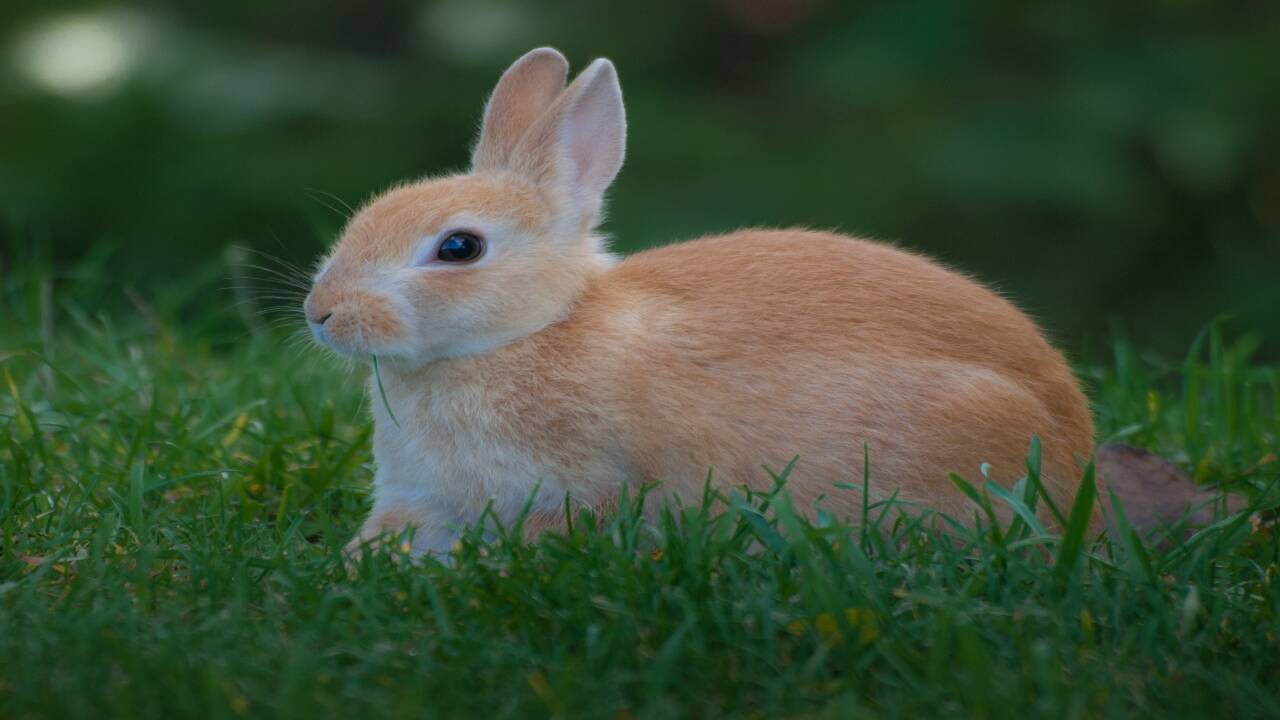
A light brown rabbit resting on grass at Alligator Bay in Beauvoir, France. Credits – Wikimedia Commons
A bill that Australia is still payingDespite decades of biological and mechanical control, rabbits remain firmly established across roughly seventy per cent of the Australian mainland, and the costs have never really gone away. Modern estimates from CSIRO, the country’s national science agency, put the ongoing agricultural damage at around A$200 million a year, on top of the harder-to-quantify toll on native plants and animals that rabbits outcompete for food. Researchers warn that, without biocontrol, the figure could rise much higher within a few years.Scientists continue to develop new viral strains to stay ahead of the resistance that inevitably builds up in the rabbit population, a race that the Invasive Species Council describes as one of the most persistent conservation battles the country has ever fought, given that rabbits are listed as a threat to hundreds of native plant and animal species across the continent. Grasslands that once supported a wide variety of native seedlings still struggle to regenerate where rabbit grazing pressure remains high. Soil once held together by native vegetation also continues to wash or blow away where warrens are thickest.