

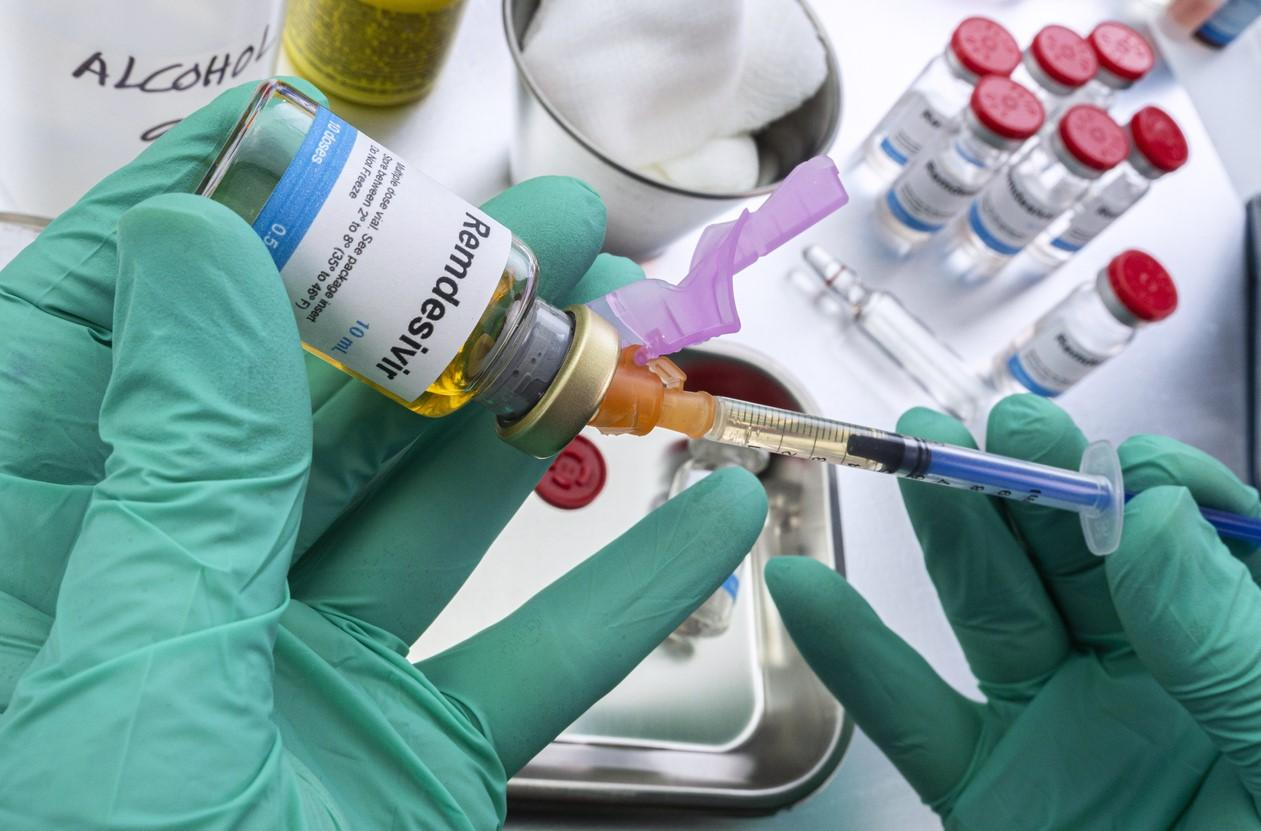
digicomphoto / iStock
Early use of the intravenous antiviral drug remdesivir (RDV) may reduce the risk of death by 28 days in adults with kidney or liver disease hospitalized for COVID-19, scientists from the University of Illinois and drug maker Gilead Sciences report today in Clinical Infectious Diseases.
The researchers analyzed medical claims and hospital cost data for early RDV initiation among US adults diagnosed as having kidney or liver disease hospitalized for COVID-19 from 2021 to 2025. The patients, and controls who didn’t receive RDV, were stratified by supplemental oxygen use in the first two days after admission.
In total, 22,378 patients (11,189 each of RDV recipients and controls) had kidney disease, and 5,026 patients (2,513 per group) had liver disease.
The kidney cohort included patients with kidney disease who required renal replacement therapy in the year before RDV initiation. The liver cohort was made up of patients with conditions such as liver injury, cirrhosis, liver failure, and noninfectious hepatitis.
Drug halves risk in liver patients who didn’t receive oxygen
The risk of 28-day all-cause in-hospital death was lower among RDV recipients in both the kidney cohort (25% lower) and liver cohort (24% lower) than among controls. Nearly 70% of all patients in each cohort needed supplemental oxygen.
The current study provides additional evidence to support the use of RDV to treat COVID-19 in patients with both renal [kidney] comorbidities and hepatic comorbidities.
The risk of death was 25% and 26% lower with early RDV use among kidney and liver patients who received supplemental oxygen and 49% lower in liver patients who didn’t receive oxygen. The decrease in kidney patients who didn’t receive oxygen wasn’t statistically significant.
“Since RDV is metabolized primarily through the liver, hepatic [liver] laboratory testing is recommended before and during RDV treatment,” the researchers wrote. “Nevertheless, the current study provides additional evidence to support the use of RDV to treat COVID-19 in patients with both renal [kidney] comorbidities and hepatic comorbidities.”