
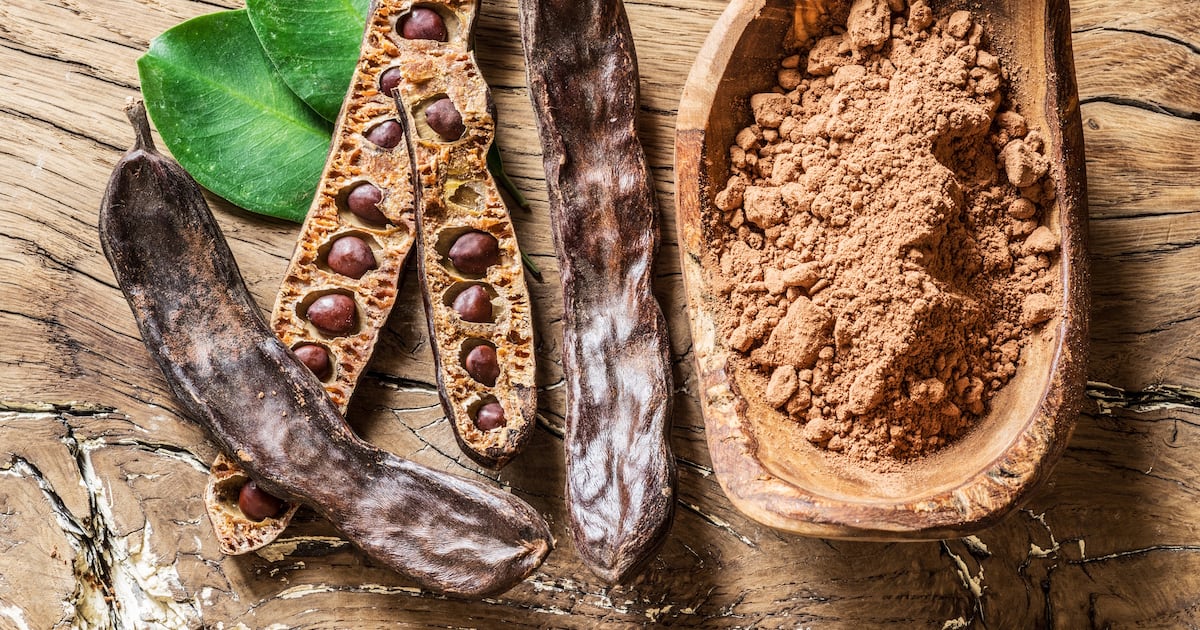
Carob-enriched gluten-free pasta: OverviewCarob flour improved the firmness, structure and fibre content of gluten-free chickpea-teff pasta while reducing stickiness and starch digestibility.A 20% inclusion rate delivered the best balance of technological performance, nutritional value and consumer acceptance.Carob’s potential extends into bread, cakes, cookies, crackers and snacks, although high inclusion levels can introduce bitterness, astringency and more naturally occurring sugars.
Stickiness, weak bite and a poor nutritional profile remain recurring problems in gluten-free pasta. A study of carob-enriched tagliatelle suggests one ingredient could tackle all three, although its performance depended heavily on how much was used.
Researchers from Universitat Politècnica de València and Northumbria University tested carob flour in fresh tagliatelle made from chickpea and teff. The research was led by Héctor Gómez-Llorente, a postdoctoral researcher at UPV’s Food Engineering Institute, and José Manuel Barat, professor and head of the university’s Department of Food Technology.
Published in Frontiers in Nutrition on 12 August, the study replaced 10%, 20%, 25% and 30% of an equal chickpea-teff blend with carob flour. The researchers assessed nutritional composition, cooking performance, internal structure, starch digestion, antioxidant activity and acceptance among 70 non-coeliac and 20 coeliac consumers.
Carob increased fibre, strengthened the cooked pasta, reduced stickiness and slowed starch digestion. The 20% formulation achieved the best balance between technological performance, nutritional improvement and consumer acceptance. At higher concentrations, however, carob’s bitterness and astringency became more noticeable, while protein declined and naturally occurring sugars increased.
Firmer pasta without the gluten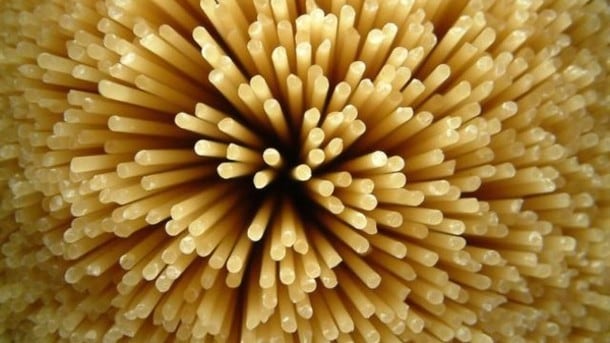 Carob flour could help manufacturers tackle some of gluten-free pasta’s biggest challenges, including weak texture, stickiness and low fibre content. (Image: Getty)
Many gluten-free pastas depend on refined rice or maize ingredients, which offer a neutral flavour but can contain less fibre and protein than more diverse flour blends. The absence of gluten also makes it difficult to create pasta with sufficient elasticity and cohesion, leading to strands that soften, stick together or break after cooking.
The researchers used equal amounts of chickpea and teff flour, combined with xanthan gum and water. Chickpea contributed plant protein and fibre, while teff supplied minerals and resistant starch. Carob was then introduced to determine whether it could strengthen this gluten-free base without compromising its sensory appeal.
Once carob reached 20% of the flour blend, the cooked pasta became markedly firmer and more resistant to cutting and deformation. Water absorption and swelling also increased, indicating that carob helped the pasta retain water while maintaining its structure.
Carob’s high fibre content, however, doesn’t always produce this effect. A 2020 study published in Food & Function by Spanish researchers examined gluten-free fettuccine made with brown rice, teff and buckwheat flours. It found that carob fibre could interrupt the protein network and weaken pasta firmness, even as it increased phenolic compounds and antioxidant activity.
The different results suggest that carob’s performance depends on the surrounding flour blend, hydration and inclusion rate. Its water-binding polysaccharides and structural proteins, known as caroubins, appear to have reinforced the chickpea-teff matrix used in the latest study.
A mastication test involving five adults also found that the carob pasta required up to 56% more chews and formed a harder, less adhesive mouthful. Reduced adhesiveness addresses one of the most recognisable failings of gluten-free pasta and could support better cooking tolerance and mouthfeel. However, industrial trials are needed to determine whether the improvement survives commercial mixing, extrusion and drying.
More fibre, but also more sugar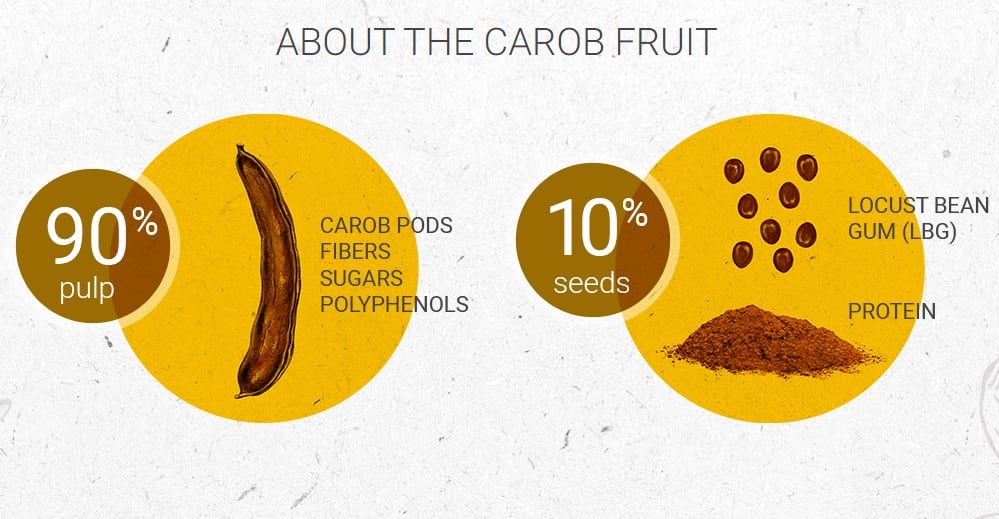 Carob fruit comprises around 90% pulp, containing fibre, sugars and polyphenols, and 10% seeds, which are used to produce locust bean gum and other protein-containing ingredients. (Image: Carobway)
Texture was only one part of carob’s contribution. The researchers also examined whether the flour could strengthen a nutritional profile already built around chickpea and teff, rather than simply replacing one refined starch with another.
At the highest inclusion rate of 30%, total dietary fibre increased by 51% and starch fell by 23%. Laboratory test also found that starch digestibility was 28% lower than in the carob-free pasta.
The researchers linked the slower starch breakdown to rising concentrations of condensed tannins and D-pinitol, a naturally occurring compound being studied for its possible influence on glucose metabolism. However, the experiment didn’t measure blood-glucose responses in consumers, so the potential glycaemic effect still needs to be confirmed in human studies.
Pasta extracts were also tested in an intestinal cell model. The 30% formulation produced greater suppression of the inflammatory marker interleukin-6 than the control, although no significant difference was recorded for tumour necrosis factor-alpha and the effect hasn’t been demonstrated in people.
Carob produced a clearer improvement in the pasta’s bioactive profile. At 30% inclusion, total polyphenols rose by 67%, flavonoids by 223% and condensed tannins by 219%. Antioxidant activity also increased, although the scale of the rise varied between the two laboratory tests used.
However, carob didn’t improve every nutritional measure. At 30% inclusion, protein fell by approximately 20% and fat by 37%, while simple sugars increased by around 183%. That increase reflects carob’s naturally sweet composition, but it means the ingredient can’t be treated simply as a low-sugar source of fibre.
Manufacturers seeking to preserve protein levels might need to combine carob with additional pulse flour, seed flour or protein concentrate. Its sweetness could be more advantageous in bakery and snack applications where it may reduce the need for some added cocoa, flavouring or sweetener.
Carob’s opportunity beyond pasta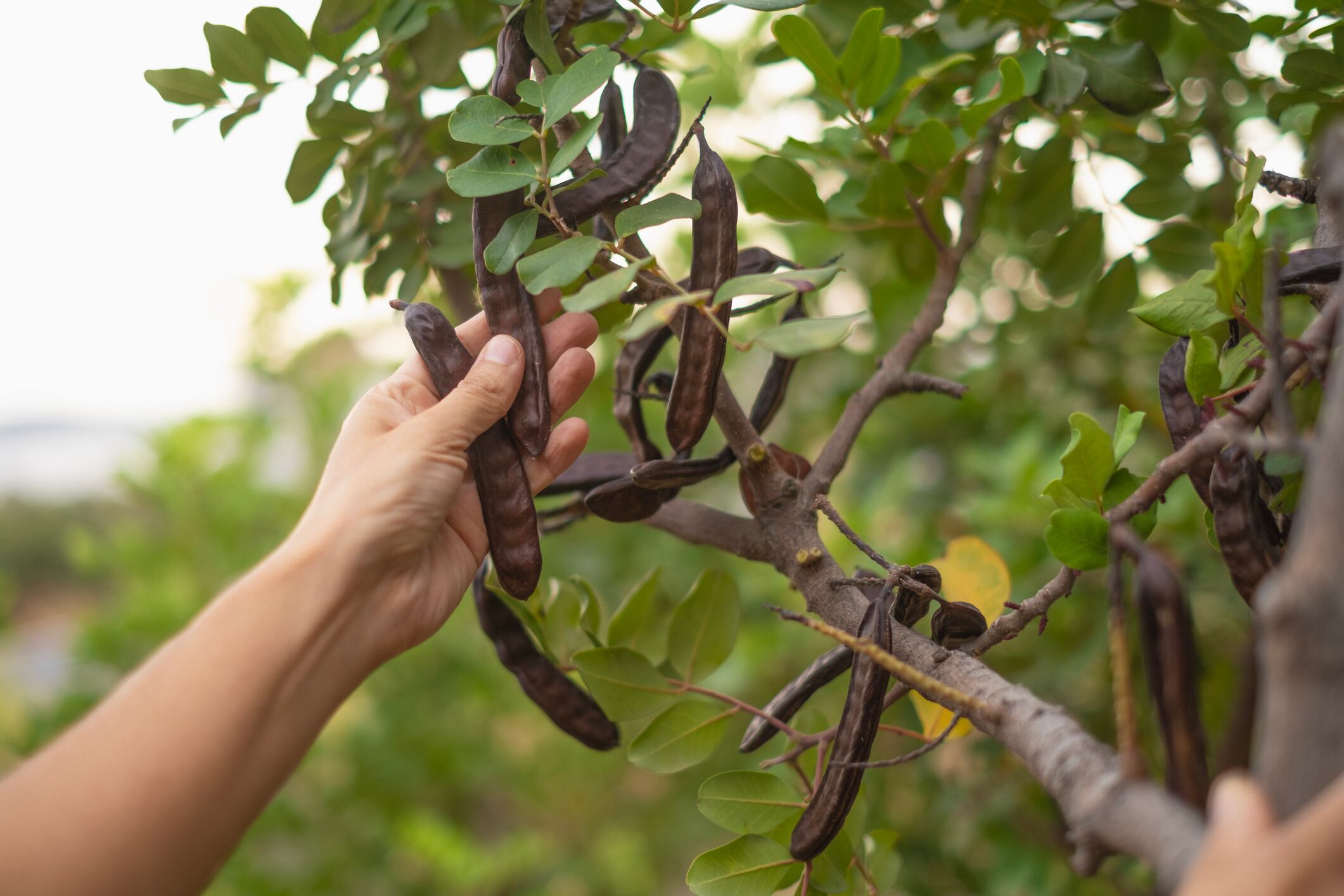 Carob pods are harvested for their naturally sweet, fibre-rich pulp and seeds, which can be processed into functional ingredients for pasta, bakery and snack applications. (Images: Getty/UOzelArchive)
Consumer acceptance peaked at 20% carob among the non-coeliac participants before falling at 25% and 30%. At moderate levels, its roasted sweetness helped mask some of the chickpea flour’s starchy and nutty notes. Higher concentrations brought more bitterness and astringency.
The ingredient also darkened the tagliatelle to a reddish-brown colour. Tomato sauce helped mask the stronger colour and flavour, improving acceptance among the coeliac participants, but appearance will remain an important formulation consideration.
Carob’s potential isn’t confined to pasta. Researchers have incorporated carob pulp flour into gluten-free bread, cakes, cookies, pastries, crackers, muffins and wafer sheets, with recurring gains in fibre, phenolic content and antioxidant activity.
A 2023 study published in Fermentation, for example, developed a gluten-free baked product from rice flour, milk kefir and either 20% or 40% carob pulp flour. The higher-carob formulation delivered the greatest phenolic and antioxidant content, although, as with the pasta, increasing carob also changed the product’s colour, flavour and texture.
Also read → Israeli FoodTech taps into carob to create low GI natural sugar replacer for energy bars
Cake research has similarly found that low-to-moderate inclusion can provide acceptable texture and aroma, while higher concentrations make carob’s distinctive sensory characteristics harder to disguise. Its strongest opportunities may therefore lie in chocolate-style cookies, brownies, dark breads, crackers and high-fibre snacks where a brown colour and roasted flavour support the product rather than needing to be concealed.
The pasta study remains a proof of concept. It used fresh tagliatelle made on small-scale equipment, while commercialisation would require testing around extrusion, drying, shelf life, cooking loss, cost and variations between carob crops.
Nevertheless, its 20% formulation shows how carob could address several gluten-free development challenges without loading the recipe with separate fixes for fibre, texture and flavour. The limit is equally clear: once fortification overwhelms sensory acceptance, the stronger nutritional numbers lose much of their commercial value.
Studies:
Gómez-Llorente H, Castillejo N, Girón-Hernández J, et al (2026) Carob-enriched gluten-free pasta: a sustainable approach for enhancing nutritional, functional, and sensory properties. Front. Nutr. 13:1920486. https://doi:10.3389/fnut.2026.1920486
Arribas C, Cabellos B, Guillamón E, et al; Cooking and sensorial quality, nutritional composition and functional properties of cold-extruded rice/white bean gluten-free fettuccine fortified with whole carob fruit flour. Food Funct. 2020; 11 (9): 7913-7924. https://doi.org/10.1039/d0fo01470b
Restuccia D; Esposito L; Spizzirri UG; et al. Formulation of a Gluten-Free Carob-Based Bakery Product: Evaluation of Glycemic Index, Antioxidant Activity, Rheological Properties, and Sensory Features. Fermentation 2023, 9, 748. https://doi.org/10.3390/fermentation9080748
Papageorgiou M, Paraskevopoulou A, Pantazi F, et al. Cake Perception, Texture and Aroma Profile as Affected by Wheat Flour and Cocoa Replacement with Carob Flour. Foods. 2020 Nov 2;9(11):1586. https://doi:10.3390/foods9111586