
The event was won by world record holder Jan Zelezny (Czech Republic) with an 88.98m throw in an event where the top seven threw over 80m.
Zelezny still holds the world record set back in 1996.
I have many memories of that meeting including the impressive women’s hammer win of Kamila Skolmowska (Poland) with a 71.71 throw, accompanied by sound effects of exploding shells.
Hicham El Guerrouj (Morocco) who still holds the world 1500m record, gained consolation for losing the Olympic title a year earlier by winning the 1500m from Bernard Lagat (Kenya).
Andre Bucher (Switzerland) was the overall male winner after his 800m victory and Violeta Beclea Szekely (Romania) the overall women’s winner following her 1500m victory.
The event was early to avoid a direct clash with the AFL semi-finals on the same day.
We were reminded of the importance of AFL to Victorians by the fact that the Sunday Newspaper carried 12 pages on the AFL, one on the IAAF Grand Prix final and one for all other sports.
It is hard to compete against that, but such is Melbourne’s love of sport that Olympic Park was full, as was the huge MCG hours later.
Only two months before the meet, the World Organisation controlling athletics, the IAAF, changed its name from International Amateur Athletics Federation to International Association of Athletics Federations, reflecting the increasing professionalism of the sport.
The Grand Prix final in Melbourne offered record prize money.
There was a further change of name to World Athletics in 2019 under the leadership of former world mile record holder Sebastian Coe.
The change was hoped to attract youth and rebuild trust as the previous leadership faced major criticism over corruption and the handling of doping cases, especially in Russia.
They also wanted a positive and accessible identity that showcased a global sport.
Athletics has changed a lot in the quarter-century since the Grand Prix Final.
The Grand Prix meetings, now the Diamond League, have become larger and richer and the final is now held over two days and is more financially rewarding for athletes.
There have been major changes at all levels of the sport.
The first Parkrun was held at Bushy Park Teddington in England in 2004 leading to a huge worldwide growth of the Saturday event.
Whanganui’s Park runs started in 2020 and weekly participation has increased significantly as the Whanganui Riverbank event approaches its 300th run on September 12.
World Athletics continues to promote the sport globally.
There is eager anticipation for the World Athletics Ultimate Championships in Budapest on September 11 to 13 where US$10 million ($16.97m) is being competed for with gold medallists taking home US$150,000 ($254,500) in a new streamlined event with elite fields.
The Ultimate Challenge is preceded by the Diamond League Final, the successor of the Grand Prix Final this weekend in Brussels where winners gain an invitation to join pre-selected athletes in Budapest.
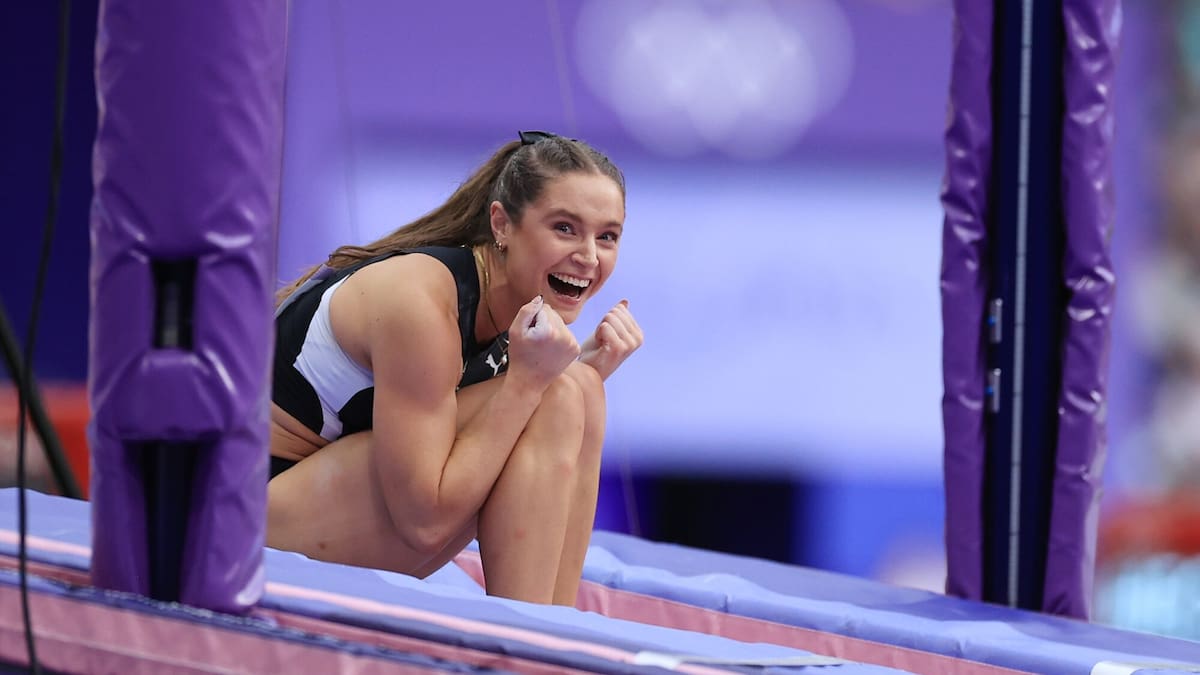
Pole vaulter Imogen Ayris will be vaulting in the Diamond League Final and is guaranteed a place in the Ultimate Championships.
Zoe Hobbs has a place in the Budapest Championship in the 100m and two or three other Kiwis are on the cusp of an invitation, which will not be issued until after this weekend.
Hamish Kerr has withdrawn and there is no shot or steeplechase on the programme for Tom Walsh or Geordie Beamish.
I will blame jet lag and hasten to correct an error last week. The Pak’nSave Cooks Classic is on Saturday, January 30, not the 23rd.