
With trends like “looksmaxxing” and the ongoing rise in GLP-1s, there’s no wonder appearance is a growing concern for many people these days. Companies, celebrities and even your loved ones may place more focus on how they look, whether it’s their weight, makeup or style.
Looking “nice” isn’t necessarily a bad thing — it’s fun, it can be smart (helping you stick to the dress code for a job interview) and can even make you feel happier (we love “dopamine dressing”). But if you’re taking endless selfies (with filters) and obsessing over every angle of your face and body, at what point is your attention to your looks actually a sign of a mental health concern?
According to experts, there is some reason to worry or at least to be mindful.
“[Those trends] open the door for competition and obsession because there’s always another tweak to chase or something to optimize,” said Golee Abrishami, a psychologist who specializes in eating and body image issues and serves as the vice president of clinical care at Octave. “None of these trends on their own can necessarily cause a disorder, but they create more openings for everyday insecurities to turn into something bigger.”
Maria Korneeva via Getty Images
Worrying about how big your nose or stomach is, for example, can be a sign of clinical body dysmorphia when it affects three things, according to Abrishami: functioning, freedom of thought and emotional health.
Yes, Beauty And ‘Wellness’ Trends Can Mess With Mental Health
As mentioned, many current trends have us overly focused on our bodies in an insidious way. Social media and algorithms only exacerbate the problem.
“This leads us to believe that everyone is engaging in these behaviors, and if you aren’t, you will somehow be ‘less than,’” said Dr. Kaitlin Slaven, a psychiatrist with Eating Recovery Center. She points to studies that suggest the more we compare ourselves, the worse our body image becomes.
“Sadly, what these trends are doing is essentially hijacking our normal, human insecurities and weaponizing them,” explained Dani Castro, a lead therapist and supervisor at Equip Health who specializes in eating disorders, OCD, body image, anxiety and depression. “The problem is that these trends suggest people’s bodies are projects to be optimized or shrunk.”
Add AI, and there’s no telling what’s actually real and realistic.
“When the standards we compare ourselves to are literally unattainable because they aren’t real, we set ourselves up for failure by striving for something that doesn’t exist,” she added.
Certain influencers aren’t helping, either. Abrishami discussed how they’re “normalizing things that used to not be normal,” such as spending thousands of dollars on cosmetic procedures.
Some people turn to other technological advancements such as ChatGPT for style advice, which can also lead to further problems.
“Chatbots are designed to keep conversations going, so it can be really easy to get in prolonged conversations that help you obsess over your looks and insecurities,” Abrishami said.
This hyperfixation becomes culturally acceptable and “normal,” Castro continued, which creates an environment in which mental health concerns — such as body dysmorphia, generalized anxiety disorder and disordered eating — flourish.
At What Point Do Your Appearance Concerns Signal Body Dysmorphia?
Worrying about how big your nose or stomach is, for example, can be a sign of clinical body dysmorphia when it affects three things, according to Abrishami: functioning, freedom of thought and emotional health.
“If focusing on how you look starts pulling time and energy away from other parts of your life, like relationships, work, school or just being present, that’s something worth paying attention to,” she said. “If your mood swings depend on how you look that day, whether or not you worked out or what the scale says, those are signs the relationship with your appearance has become something different than just self-care.”
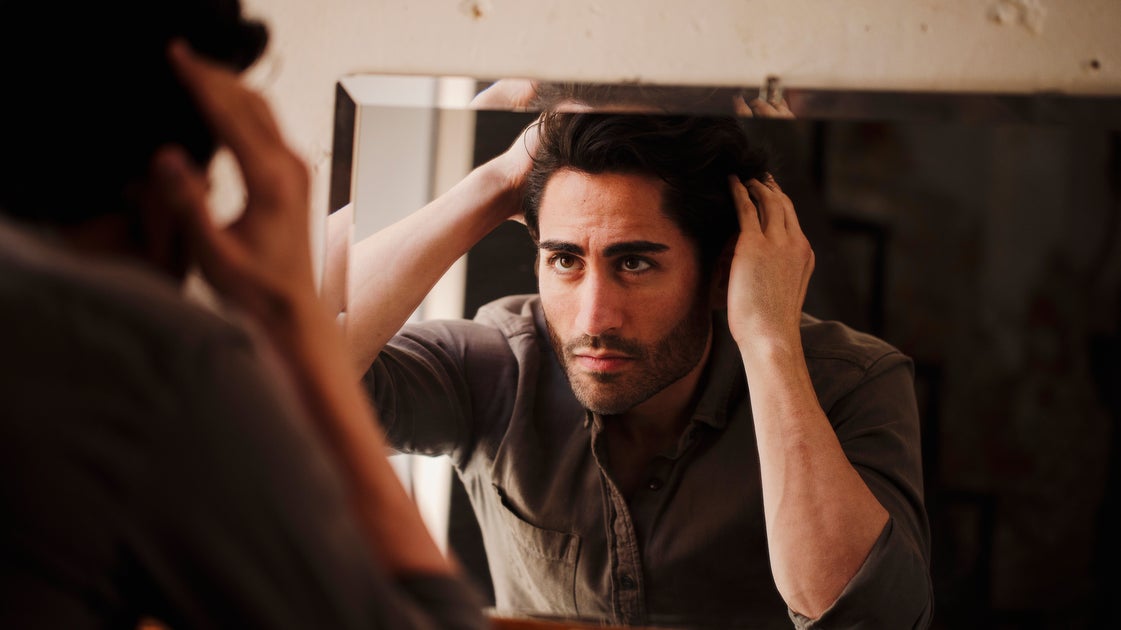
Similarly, Castro said it becomes a problem “when it turns into an obsession that consumes your daily thoughts.” She listed signs such as spending hours in front of the mirror, fixating on a perceived flaw or canceling plans because you can’t cover it up.
“When focus on looks takes up so much time that it interferes with other important aspects of your life, it may be time to seek help,” Slaven agreed. “Body dysmorphia is characterized by preoccupation with flaws that are not observable to others, engagement in checking behaviors (mirror-checking, reassurance-seeking from others or excessive grooming) and clinically excessive distress or impairment.”
What Therapists Advise
The first step here may sound counterintuitive: avoid judging and shaming yourself.
“Shame will just feed that cycle,” Abrishami explained. “Name it in a neutral way, such as saying, ‘I think about this more than I want to.’”
Castro suggested aiming for body neutrality, or accepting your body rather than judging it. “You don’t have to love how you look every day, but you do need to stop treating your body like an object on display,” she said.
She encouraged setting a timer for mirror-checking, unfollowing toxic social media accounts, talking to a professional and spending time doing things you care about that don’t concern your body.
“Valuing experiences, hobbies or relationships and focusing more attention on those things than on the way the body looks is one of the most helpful ways to battle negative body image or body fixation,” she said.
Slaven added that finding a mental health professional or dietitian who specializes in disordered eating “can be really helpful.” She recommended reassessing your social media use as well (is this ever a bad idea?).
At What Point Do Your Appearance Concerns Signal An Anxiety Disorder?
Your worries could be clinical anxiety if the behavior — like putting on makeup before going to the gym — “stops being a choice and starts feeling like a shield,” according to Castro.
Abrishami agreed, saying, “Wanting to look good is different from believing certain things will be bad if you don’t.”
She encouraged looking out for “rules,” like “I have to do this routine, or the day is ruined.”
Don’t forget about the excessive preoccupation piece, either.
“Spending hours a day thinking about how you look, getting disproportionately upset if you don’t have time to do your full getting-ready routine … can signal an anxiety disorder may be present,” Slaven said. “If these worries keep you up at night, make it hard for you to engage socially or cause physical symptoms, then you may be experiencing more than just ‘everyday worries.’”
Lourdes Balduque via Getty Images
To be clear, worrying about how you look or trying to change your appearance doesn’t always mean you have a mental health condition.
What Therapists Advise
Can’t step out of the door without a full beauty routine? Challenge that. You can start small.
“Go to the corner store or the gym with one less product on, sit with the initial spike of anxiety and let your brain recognize that nothing catastrophic is happening,” Castro encouraged. “Exposure to the things that make us feel anxious is typically one of the most effective ways to cope with and improve anxiety.”
If that feels unmanageable or makes you feel panicky, a therapist can help.
“This can feel too big or scary by yourself, so don’t muscle through it alone,” Abrishami advised. “In fact, muscling through it can worsen your anxiety.”
At What Point Are Your Appearance Concerns General Insecurity Or Non-Clinical Anxiety?
To be clear, worrying about how you look or trying to change your appearance doesn’t always mean you have a mental health condition. Comparison is something that most (if not all) of us deal with, and according to Slaven, it’s “a part of human nature.” Sometimes, we can move on and maintain self-worth in those moments.
Whether it’s a diagnosable mental health condition, Castro said, comes down to flexibility and distress.
“General insecurity is uncomfortable, but it’s flexible: For example, you might feel self-conscious about an outfit, but you still go to the party and enjoy yourself,” she explained. “A diagnosable disorder takes away that choice; it hijacks your thoughts for hours a day, dictates your schedule and leaves you feeling trapped by your own rules.”
With that said, make no mistake: Your “symptoms” not meeting the specific criteria for a diagnosable disorder doesn’t mean they aren’t serious and deserving of help or that they couldn’t get worse.
What Therapists Advise
Castro recommended practicing self-compassion, cultivating a healthy environment and not waiting until your problems worsen to see an evidence-based provider. She finds that the latter, especially, is “the best way to regain control over your life.”
Abrishami summed it up like this: “If all of your self-care routines are focused on what you look like on the outside instead of how you feel inside, then you need to make a change.”