
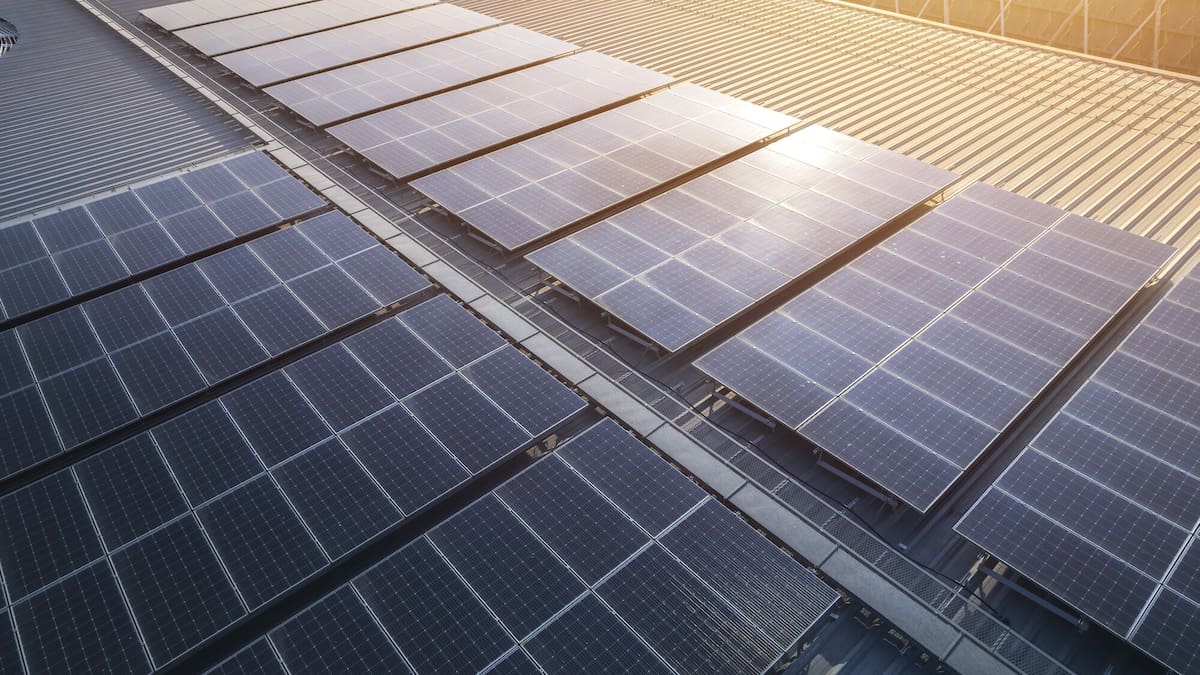
There are opportunities in our towns and cities too. Shopping centres use significant power during daylight hours and often have enormous areas of unused roof and car park space. Solar canopies over car parks can generate electricity while providing covered parking and turning unused space into productive energy infrastructure.
Low-cost government-backed loans can unlock commercial solar investment.
The case for greater government involvement is not about picking winners or propping up an industry. It is about creating a level playing field so businesses that want to generate more of their own power are not held back by rules and market settings built for a different era.
Distributed generation needs to be easier to connect and export. Our electricity networks were largely designed for one-way power flows, from generator to customer. That model is changing where, increasingly, businesses can be both consumers and producers. We call them “prosumers”; they are using power when they need it and exporting surplus generation back into the grid.
Too many viable projects are slowed or constrained by connection requirements and limits on how much power can be exported. Government does not need to run the networks, but it does need to set clear expectations that distributed generation is part of New Zealand’s future energy system, not an inconvenience at its edges.
As more businesses generate electricity alongside consuming it, New Zealand’s distribution networks are increasingly being asked to accommodate two-way flows of power rather than the traditional one-way model.
The same level playing field is needed on export pricing. If a business generates electricity locally and feeds surplus power back into the grid, that power has value. The current system does not always recognise it adequately. A more transparent and equitable framework would strengthen project economics and give businesses greater confidence to invest.
Access to capital is the other major barrier. I am not arguing for blanket subsidies; they can distort markets. But many businesses that would benefit from solar are coming off several difficult years and have already stretched their bank facilities. They may be struggling with the power bill while lacking the upfront capital required to permanently reduce it.
Low-cost, long-term finance for commercial and rural solar would change that equation. A government-backed loan programme at a low interest rate, repaid over a long term, could enable businesses to invest in an asset that lowers operating costs from day one.
Solar for business should not be treated as a niche environmental initiative. It is productive infrastructure that can lower costs, strengthen regional resilience and improve energy security. For exporters, lower-emissions energy can also strengthen the environmental credentials customers and markets increasingly expect.
The political conversation has started in the right place by recognising solar as mainstream. Now, it needs to get more ambitious. If we want lower energy costs, more resilient businesses and more generation without waiting years for major new infrastructure, we should be looking at the enormous amount of unused roof space already sitting above the New Zealand economy.
Catch up on the debates that dominated the week by signing up to our Opinion newsletter – a weekly round-up of our best commentary.