

Many people are familiar with melatonin, a hormone that helps ready the body for sleep. But there’s another, lesser-known chemical in the brain, called orexin, that tips the scale in the other direction: waking the body up.
In 1999, two scientists independently uncovered the function of orexin and published papers about it. Dr. Masashi Yanagisawa, a molecular biologist and physician now at the University of Tsukuba in Japan, came across orexin while studying the interaction of receptors and chemicals in the brain. Dr. Emmanuel Mignot, now the director of the Stanford Center for Narcolepsy, homed in on orexin while studying narcoleptic dogs. (His Chihuahua, named Watson, has narcolepsy, and he previously had another dog with the condition, named Bear.)

Dr. Emmanuel Mignot
Director of the Stanford Center for Narcolepsy
Dr. Emmanuel Mignot is a professor of sleep medicine in the Department of Psychiatry and Behavioral Sciences at Stanford University and the director of the Stanford Center for Narcolepsy. He has received numerous awards for his work, including a 2023 Breakthrough Prize in Life Sciences and a 2026 Albert Lasker Basic Medical Research Award.
You may like
What to read next
After narcolepsy was described — the dog gene — suddenly narcolepsy became much more famous.
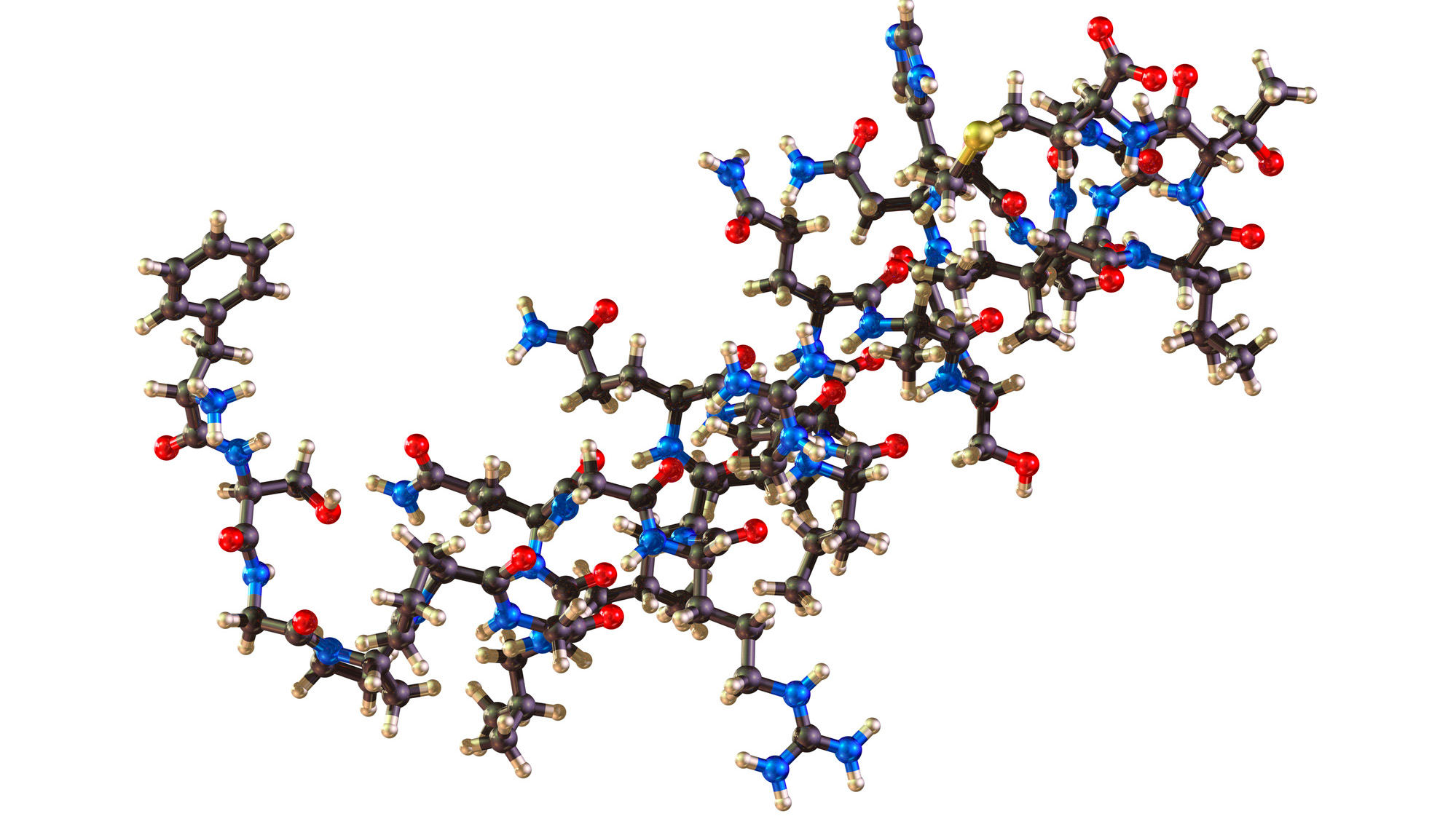
Orexin (pictured) is a peptide in the brain that promotes wakefulness.
(Image credit: theasis via Getty Images)
Walk With Me: Emmanuel Mignot, sleep researcher who discovered the cause of narcolepsy – YouTube

Exclusive to Live Science Pro
This interview has been condensed and edited lightly for clarity. It is for informational purposes only and is not meant to offer medical advice.