
However, doctor Jason Feng, a senior medical officer at Capital Coast and Hutt Hospital, directed Smith instead be driven by ambulance to Palmerston North Hospital.
An autopsy later revealed the 74-year-old died from burns, fluid in his chest cavity and bowel, and rib fractures consistent with falling from his bicycle.
“The [deceased’s] advanced age and the severity of the burns both mean the likelihood of survival would have been low, regardless of medical care administered,” pathologist Judy Melinek said.
Despite this, coroner Mary-Anne Borrowdale noted that from the outset there were questions about the promptness and efficacy of the medical treatment Smith received.
Coroner Mary-Anne Borrowdale. Photo/ Ministry of Justice
Paramedics should have been ‘treated more seriously’
Smith’s daughter, Fiona Smith, told NZME the findings confirmed what her family felt: the system had failed her father.
“That’s my first and hopefully my last experience with the New Zealand health system, and I feel really disappointed if I had to go to hospital, and for my family, I feel really worried that they are not going to do the right thing.”
She said her mother also shared her disappointment and questioned whether, with all the time and money spent on the inquest, anything would change.
Fiona said she was unhappy Feng directed that her father to be driven by ambulance.
She said she knew Feng made his decision under pressure, but it was a huge mistake, because her father should have been flown straight to the burns unit.
“The people that we are really grateful for are the paramedics who were there on the scene. They should have been taken more seriously when they said he should be flown there.”
She said Feng had never apologised to the family.
“I would hope that he’s aware that his decision has had a huge impact.”
Burns to 30% of his body
At Smith’s inquest in March, the coroner considered whether errors or omissions in Smith’s medical care, including his transport to hospital, late identification of his injuries, and a lack of combined burns and ICU services in the Lower North Island, contributed to his death.
In her findings, she said Smith sustained serious burns from the rubbish fire.
He attempted to cycle back to the farmhouse, but only made it as far as a shed, where his wife, Jennifer, found him four hours later with burns to his hands, legs, rear and head.
Until then, she was unaware of her husband’s accident. She called emergency services and began cooling measures.
Both an ambulance and helicopter were dispatched to the farm.
Paramedics from Hato Hone St John stabilised him, cooled his burns and applied gladwrap to Smith’s injuries. Smith at this stage was conscious and talking to them.
The decision was made to drive him first to Palmerston North Hospital, before he was transferred to Hutt Hospital five hours later.
Hannah Latta, a flight paramedic for Wellington Free Ambulance, said when she arrived at the farm by helicopter, it was clear Smith needed to be transported to the closest burns unit.
In a telephone conversation, Feng said because the burns were many hours old, Smith should be transported by road to the nearest hospital for fluid resuscitation.
Latta told him the patient was receiving fluids and offered to send photos of the burns. But Feng told her that Smith should go to the nearest emergency department, at Palmerston North Hospital.
Latta tried to overturn this decision, but, by the time she did, the ambulance had already left for Palmerston North, and the helicopter returned to Wellington.
Feng said that when he gave the direction, he didn’t realise he was speaking to Latta and was unaware there was a helicopter at the scene.
Latta said she found that surprising, because they knew each other and the doctor knew she was flight crew.
He also claimed he offered “advice’ or made a ”suggestion” but it was for Latta to decide where Smith should be sent.
But Fiona disagreed with Feng’s claims.
“For me, the start of it was him refusing to send dad there. Because had he gone from where he was to Hutt Hospital, he might have gone to surgery, he might have had the people trained to scrub him down and see the significance of his burns and get on to that a lot sooner than going to Palmerston North, which isn’t trained for burns,” she said.
“They shouldn’t have felt like they had to ask permission; they should just take the patient there.”
In her findings, the coroner found Feng had made a pressured decision and was misdirected himself upon learning that Latta was calling from the scene, rather than while en route to a hospital.
“From that detail, which he says was unusual, he inferred that he was being asked for a decision before the paramedics embarked on transport.
“I consider that this was a genuine mistake by Dr Feng, reading too much into the location from which the call was being made, and not checking with Ms Latta her intentions.
“I find that Dr Feng came across to Ms Latta as deciding the point, and she did not think it consistent with professional etiquette for her to push further against his decision.”
The coroner also found the travel time by road to Palmerston North was the same as the flight to the burns unit at Hutt Hospital, where he would have received specialist treatment for his burns.
“The five-hour delay in obtaining specialist care was a significant factor contributing to Mr Smith’s reduced chances of survival,” she found.
“In my assessment it is quite plain that Mr Smith’s unnecessary detour through Palmerston North conferred no care advantage, and disadvantage followed from it.”
This included no formal trauma assessment at either Palmerston North or Hutt Hospital. Such an assessment would have identified all significant injuries from an accident and included a chest X-ray.
Smith had told paramedics he had pain in his left chest, which the Emergency Department at Palmerston North Hospital was aware of.
However, his significant chest injuries were not picked up until the next day at Hutt Hospital, where Smith denied having any pain.
After a small pneumothorax (collapsed lung) was diagnosed and a chest drain inserted, a CT scan hours later showed he had four fractured ribs.
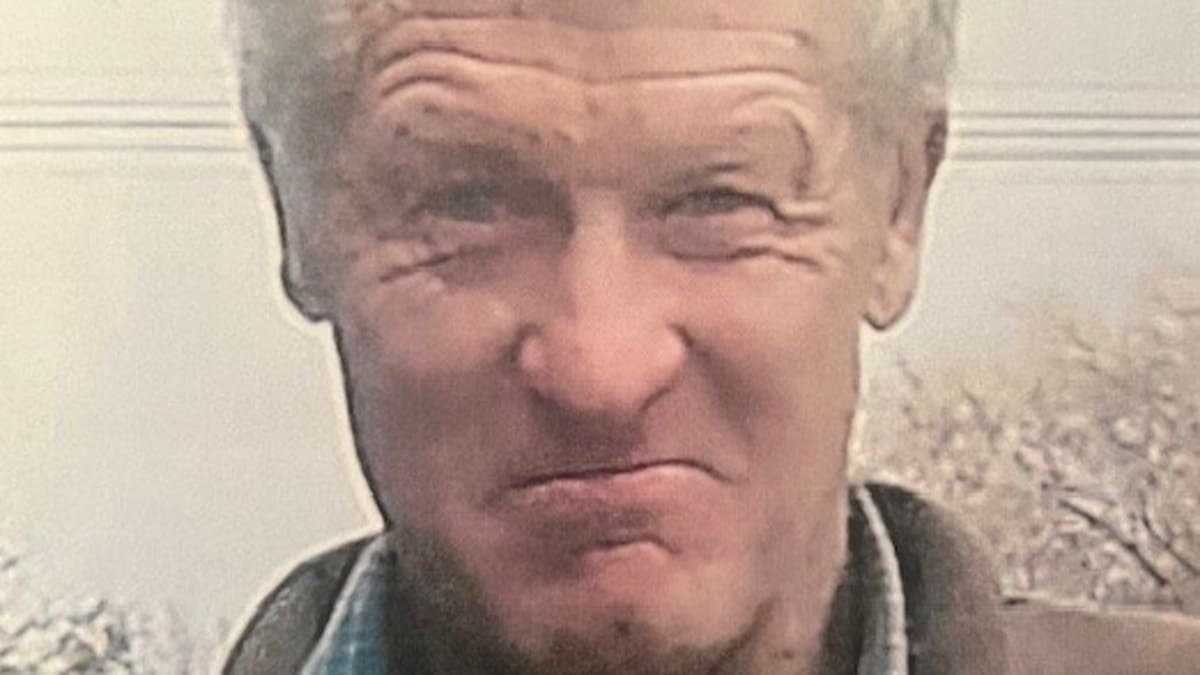
Rodney (Rod) Thomas Smith who died in November 2021 as a result of burns he suffered in a rubbish fire on his Manawatū farm. Photo / Supplied
The coroner said, reconciling the fractures with Smith’s account, it appeared likely Smith broke his ribs while falling from his bike, although she couldn’t be certain.
But the coroner said the chest injuries did not cause Smith’s death, nor did they materially alter his chances of survival.
“I find that the delay in identifying these chest injuries ‘mattered’, but to a lesser degree, particularly in light of the limited treatment options available.
“To my mind, the chest injuries themselves contributed to Mr Smith’s death (as per Dr Melinek’s post-mortem opinion); the failures to identify the injuries at an earlier stage made only a modest contribution to the overall outcome.
Wellington: the only region where the burns unit and tertiary ICU are separate
The coroner also singled out the separation of burns and tertiary ICU services in the lower North Island.
Currently, the burns unit is located at Hutt Hospital, 20km away from the tertiary trauma hospital in central Wellington and is the only region where this occurs. No one could explain why this was.
The coroner said it was important to document this as integrating the services would require “immense financial and political support”.
In their evidence, all the clinical witnesses agreed that the care of critically unwell burns patients in the lower North Island remained generally suboptimal as a result of this separation, and that this may have compromised Smith’s care.
Findings
The coroner ruled Smith died from burns to 30% of his body while blunt force trauma was a contributing factor.
Although she ruled Smith’s death was accidental, she noted a constellation of subsequent clinical events contributed to his death, including a 26-hour delay from Smith’s first injury to full specialist surgical assessment of his burns.
She pointed to multiple delays in the health system which compromised his care and chances of recovery.
These included delays in transporting him to the regional burns unit at Hutt Hospital, cooling his burns, making a full burns assessment in theatre, monitoring his urine output, blood tests and other results, promptly reviewing clinical tests and passing on results, and diagnosing his broken ribs and pneumothorax.
The coroner found Smith’s survival chances were compromised by
Taking road transport to Palmerston North, rather than air to Hutt Hospital.Delay in the diagnosis of his chest injuries – albeit to a lesser and uncertain extent.The underestimation of the extent of his burn injuries – to an unknown but material degree.The lack of a combined burns unit and ICU in the Lower North Island – this structural disadvantage likely reduced his prospects further.
Finally, Coroner Borrowdale offered her sincere condolences to Smith’s family and to everyone who felt his loss.
She expressed her gratitude to the professionals involved for their commitment to the inquiry and thanked Smith’s family for their involvement and forbearance over the time that the inquiry has taken.
Catherine Hutton is an Open Justice reporter based in Wellington. She has worked as a journalist at the Waikato Times and RNZ. Most recently, she worked as a media adviser at the Ministry of Justice.
Join the NZ Herald’s Open Justice team for Case by Case, a video and podcast series examining the disputes and decisions making headlines across New Zealand.