
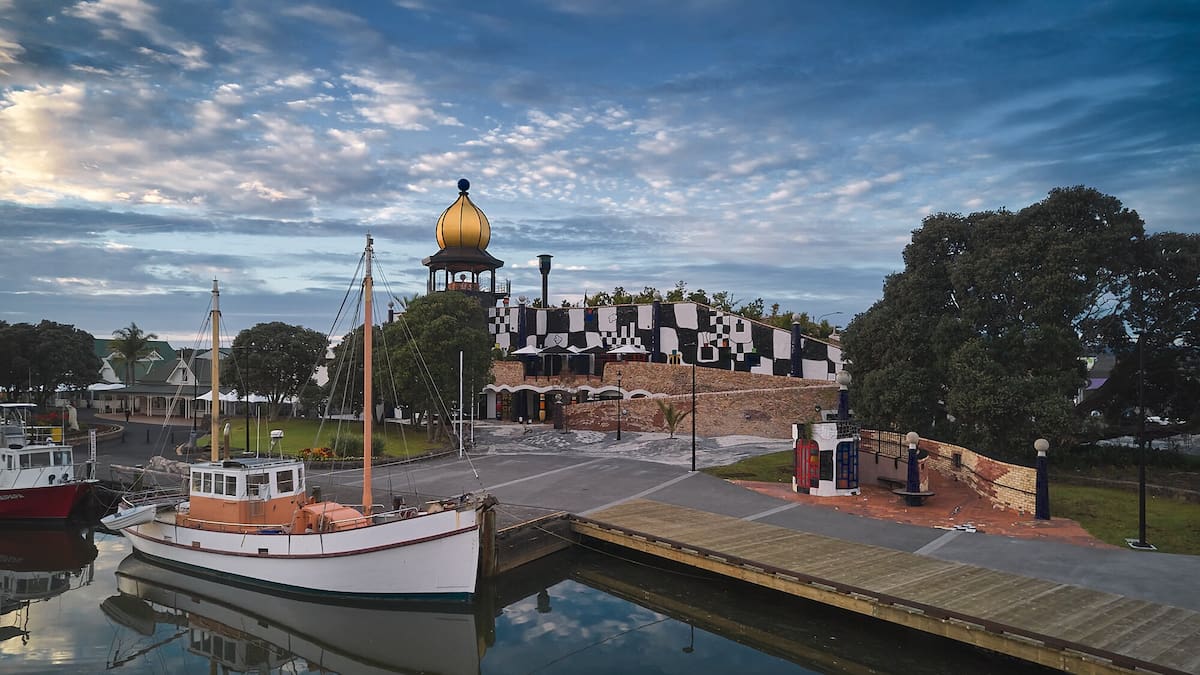
The expression of interest lodged by Creative Northland, with support from Whangārei District Council, drew on the district’s reputation for Māori arts, carving, weaving, public art and cultural heritage.
Whangārei Mayor Ken Couper said while the outcome was disappointing, the council was proud of the creativity, talent and collaboration showcased throughout the application process.
“The momentum and connections built through this work will continue to benefit Whangārei’s creative sector and wider community into the future.”
Creative Northland chief executive Olivia Garelja said Whangārei and Nelson offered distinctly different strengths and perspectives to the global creative community.
Although Whangārei was unsuccessful, Garelja said there was plenty of opportunity to further cultivate creativity in Northland.
“We see this outcome as a redirection and an opportunity to strengthen governance and grow investment in the arts, recognising the powerful attributes that enrich our communities and shape our society.”
Whangārei’s bid received strong community support during six months of consultation.
The consultation process included public information sessions attended by more than 120 people and a survey completed by almost 500 residents aged between 10 and 90.
Garelja said the survey showed 86% supported Whangārei exploring Unesco Creative City status, while 4% opposed it and 10% wanted to learn more before deciding.
“The survey outcomes are promising and we’ll continue working together towards new ambitions.”
Garelja said the challenge was to better recognise, connect and support the district’s creative sector.
The consultation focused on the role creativity already plays in Whangārei and Te Tai Tokerau, rather than solely on the Unesco designation.
“We’ve heard people talk about identity, belonging, pride, connection and opportunity. Those conversations have value in themselves,” Garelja said.
Participants expressed a desire for stronger regional collaboration, greater support and visibility for artists, more opportunities for rangatahi, better access to creative spaces, and increased recognition of Māori, multicultural and local storytelling.
Despite the outcome, Garelja said the consultation process had identified opportunities for future collaboration and sparked renewed discussion about the role of arts, culture and heritage in the region’s development.
She said although there had been decades of investment in arts, culture and heritage across Northland, there was no co-ordinated regional strategy focused on creative and cultural engagement, destination development or growing the long-term value of the sector.
“The greatest achievement of this project wasn’t exploring Unesco. It was reminding a community that its future is strongest when it is imagined together.”
Creative Northland chief executive Olivia Garelja.
Garelja said the process had created a foundation for future collaboration and highlighted opportunities to strengthen the creative sector’s contribution to the regional economy.
Creative activity, from carving and weaving to public art and performance, helped shape the region’s identity and visitor experience, and the project had encouraged people to think more broadly about how creativity could contribute to the region’s economy, wellbeing and tourism, Garelja said.
Ben Chapman, head of destination at NorthlandNZ, said the region’s tourism and economic development agency supported Creative Northland and Whangārei District Council in their effort to secure Unesco Creative City status for Whangārei.
“Creativity helps drive tourism, innovation, food and beverage, manufacturing, technology, education and many of the industries that make our region thrive.
“Designations like the Unesco Creative City of Crafts and Folk Art help differentiate a destination like Whangārei – creating awareness and placing creativity and culture at the heart of sustainable development.”
Chapman said international destinations such as Santa Fe in the United States and Ballarat in Australia had benefited from the designation through increased recognition, growth and cultural exchange.
Unesco New Zealand has been approached for comment.