
Content warning: This article references sexual exploitation via artificial intelligence. Please refer to the end of the article for on- and off-campus resources.
A Georgetown University computer science professor was recently awarded a gift for research on artificial intelligence (AI) and its usage in non-consensual imagery, the university announced Sept. 14.
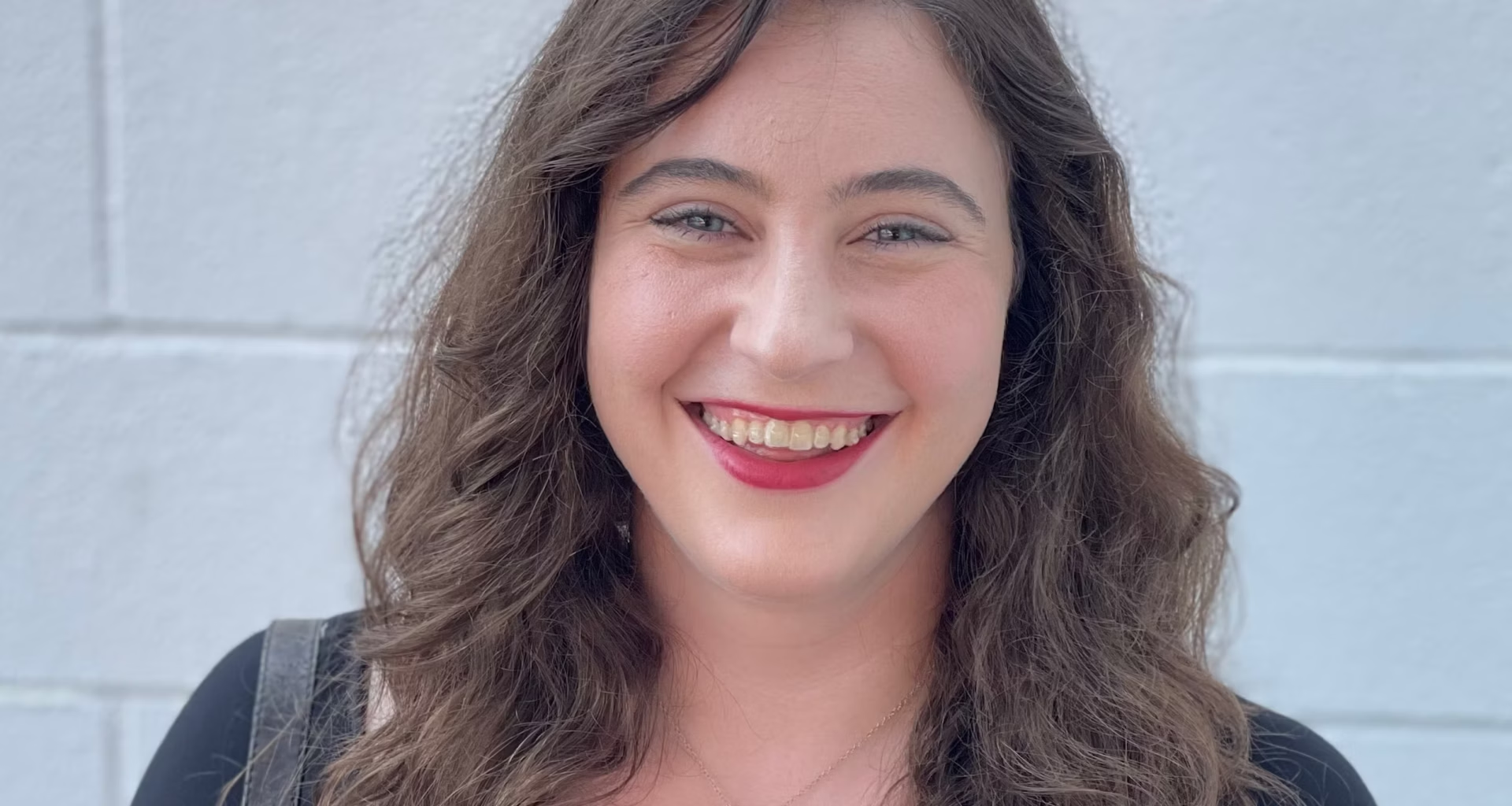
Microsoft gifted Elissa Redmiles $25,000 for her work with the Georgetown Security Lab, which researches cybersecurity and privacy, on mitigating AI-generated non-consensual intimate imagery. The gift from Microsoft allows the security lab, a part of Georgetown’s computer science department, to independently decide how to fund research into the AI tools that remain largely unregulated.
Redmiles said that while studying how AI software and tools address the needs of legal sex workers in Europe through interviews and analyzing the available tools, she realized that AI was instead being used to endanger these workers.
“Around that time, AI generation of non-consensual intimate imagery was growing, which inspired me down a line of work aiming to mitigate abuse while also protecting free sexual expression,” Redmiles wrote to The Hoya. “Having started my work in the security and privacy community — which focuses on protecting free expression, then working with the sex-working community, and then learning about how stigma around sexual expression and content harms victim-survivors of image-based sexual abuse by increasing stigma — has made protecting free sexual expression an equally important goal for me as is preventing abuse.”
According to the New York State Office for the Prevention of Domestic Violence, 96% of deepfakes are non-consensual sexual deepfakes.
Eriz Zeng, a postdoctoral fellow at the Massive Data Institute at the McCourt School of Public Policy, an interdisciplinary research hub, who also worked alongside Redmiles, said her knowledge of technical and political aspects of AI technologies was a great asset to the team.
“She has a really great sense for what the sort of both the technological and policy landscape is,” Zeng told The Hoya.
“Because she’s so embedded in both of these worlds, she’s really able to drive the projects in a really impactful direction,” Zeng added.
In their research, Redmiles and Zeng evaluated face-swapping apps available on the Google Play Store and the App Store, which could be used to produce non-consensual intimate imagery and child sexual abuse material.
Zeng said their team was able to develop a list of apps that violated Google and Apple’s terms of service, and after contacting those companies and journalists, the apps were taken down.
“We had a list of apps that we had found to be unsafe, and we both, through contacting journalists and finding contacts at Google and Apple through a network, we were able to basically report that to the platforms,” Zeng said.
“We helped basically define this is a specific type of problem or abuse on the platforms that they may or may not have thought about before,” Zeng added.
Zeng said that while the gift is beneficial to the research of AI security, individual companies and the industry as a whole must dedicate more funding and time to researching this developing problem.
“I think it’s a good first step that these companies are acknowledging that this is a problem that AI has really supercharged, and I’m glad that it will like help us to do more of this research and to do this research independently and do it rigorously,” Zeng said. “I’m also hoping that they also invest more of their own resources as well into studying how this problem, like how people are misusing their technologies or misusing their platforms, and just bringing more resources to enforcing their policies on their platforms.”
Wisdom Obinna (GRD ’29), a computer science doctoral student who studies under Redmiles, noted that creating lasting solutions to the problems that AI poses will require collaboration across disciplines.
“Psychologists, community experts, legal scholars and computer scientists might need to work much more closely together, which is something our lab does a lot, and then yeah, other things too, like detection and attribution,” Obinna told The Hoya. “So we are also thinking of better ways to detect the fakes reliably, and where possible, trace how or by whom they were created, and those tools will likely become also very important.”
Redmiles said the acknowledgement by Microsoft is a reminder that her team’s work has far-reaching impacts beyond just research.
“It’s rare in academia to receive funds without applying for them, and having our work given this visibility is also impactful because it means not only that Microsoft is reading and using our research but that hopefully more companies will learn about our research and improve their decision-making and efforts around image based sexual abuse,” Redmiles wrote.
Resources: On-campus resources include Health Education Services (202-687-8949) and Counseling and Psychiatric Services (202-687-6985); additional off-campus resources include the D.C. Victim Hotline (844-443-5732).