
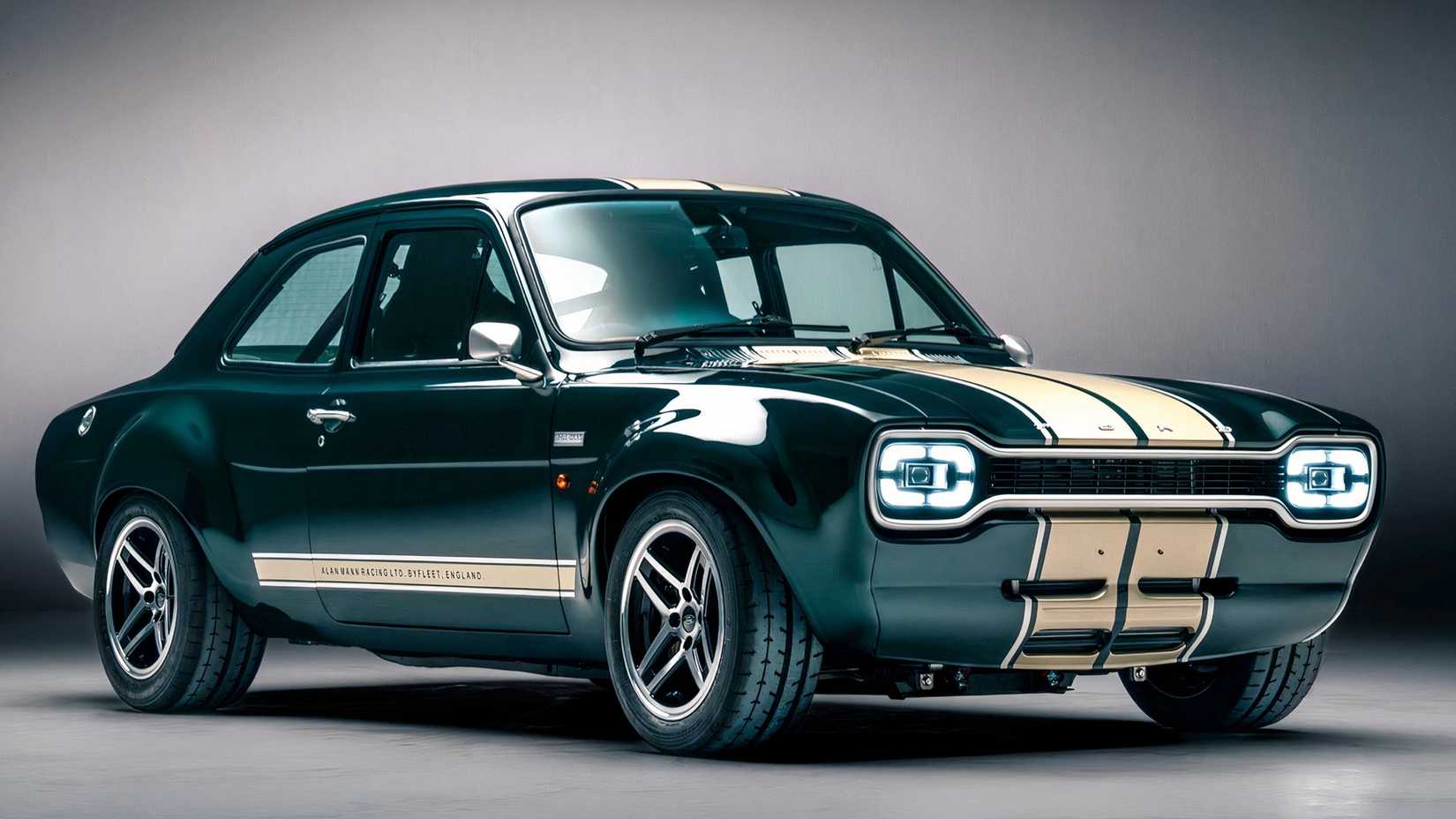
There are plenty of continuation cars and restomods competing for attention these days, but few arrive with the kind of engineering ambition that stops you mid-scroll. Boreham Motorworks, a British specialist with deep roots in Ford motorsport, calls its guiding principle “Peak Analogue” — and the firm’s latest creation makes a compelling case that the phrase is more than marketing copy. The spec sheet alone is enough to raise the pulse: a 2.1-liter naturally aspirated four-cylinder spinning to 10,000 RPM and producing 325 horsepower, wrapped in a body that tips the scales at under 2,000 pounds. This is the Ford Escort Mk1 RS, and it is something genuinely worth paying attention to.
Built under an official license from Ford, Boreham will produce just 150 examples worldwide. The goal was never simply to invoke nostalgia — it was to honor the original Escort by reimagining it with the best available modern technology while keeping the driving experience as raw and unfiltered as possible.
We Can’t Get Enough Of This Naturally Aspirated Four-Cylinder
Boreham Motorworks MK1 Ford Escort RSBoreham Motorworks
With 325 hp from a 2.1-liter four-cylinder, the Boreham Motorworks Ford Escort Mk1 RS produces roughly 155 horsepower per liter of displacement — a remarkable figure for a naturally aspirated engine. For context, the Honda Civic Type R extracts 315 hp from a turbocharged 2.0-liter engine, good for 157.5 hp per liter. Mercedes-AMG achieves 200 hp per liter from its 400-hp turbocharged 2.0-liter four-cylinder in the Lotus Emira.
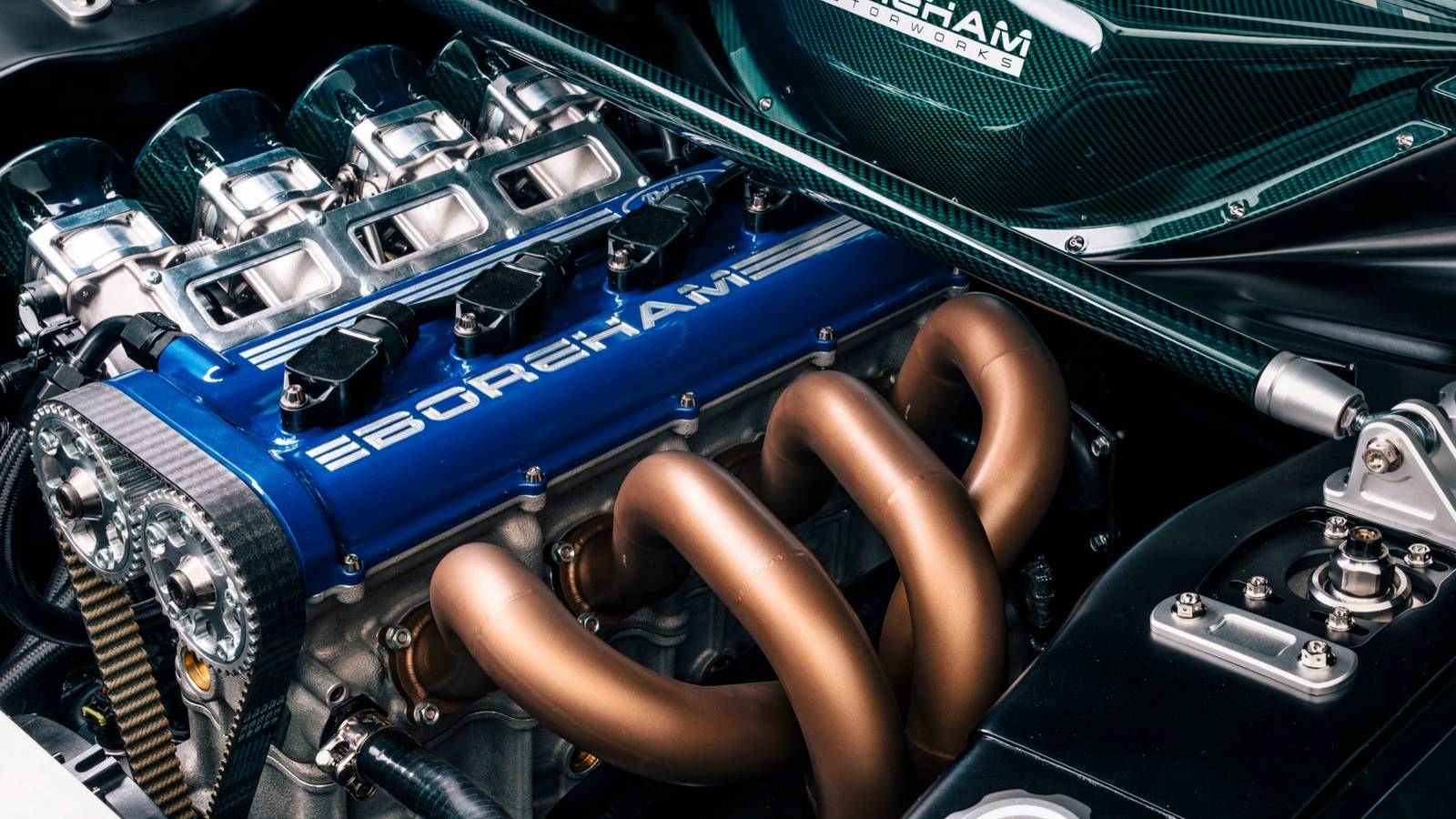
To unlock all 325 hp from Boreham’s twin-cam TEN-K 2.1-liter engine, a trip to the 10,000-RPM redline is required. The 3D-printed engine block features thin cylinder walls for weight savings and improved cooling, and houses featherweight forged billet steel internals. The crankshaft and connecting rods are machined from the same material, working alongside a single-mass flywheel and twin-plate clutch assembly to minimize rotational inertia. Those savings add up: the complete engine weighs just 187 pounds (85 kilograms).
Peak torque arrives at 6,500 RPM, with power holding strong through the remaining 3,500 RPM to the redline — a sustained, intoxicating pull that grows more urgent as the engine note rises.
Beyond its lightweight internals, Boreham takes particular pride in the 16-valve cylinder head, which features “F1-inspired” combustion chamber geometry. Individual throttle bodies sharpen mechanical response, delivering power the instant the throttle is touched. The dry-sump lubrication system saves additional weight and allows the engine to sit lower in the chassis. The body alone, without the drivetrain, weighs 1,785 pounds (810 kilograms), keeping the complete Escort RS under the 2,000-pound curb weight threshold.
Turbocharging was never part of the plan for this engine. Every lightweight component was chosen with a weight-conscious mindset, and that discipline, combined with the naturally aspirated formula, is precisely what makes the package so special.
We’re looking for a very visceral driving experience—something that’s memorable, which means instantaneous performance.
– Laine Martin, Head of Powertrain at Boreham Motorworks
Both the engine’s immediacy and the soundtrack it produces are central to the experience — qualities that Martin set out to build into the Escort RS from day one. “A naturally aspirated engine gives us both the intake and induction noise, and a really nice exhaust note.”
The Formula One-derived technology woven into the TEN-K draws on the high-revving engines of the 2000s as inspiration for its porting and combustion chamber designs. Prototypes delivered strong results on the dynamometer and met Martin’s targets for the engine.
Fitting road-going components such as the exhaust and intake manifolds did trim some of the absolute performance seen on the dyno. Even so, Martin kept the project grounded in its core mission: bringing modern racing technology to a classic vehicle.
Modern Nostalgia: How the Escort RS is the Best of Both Worlds
Boreham Motorworks MK1 Ford Escort RSBoreham Motorworks
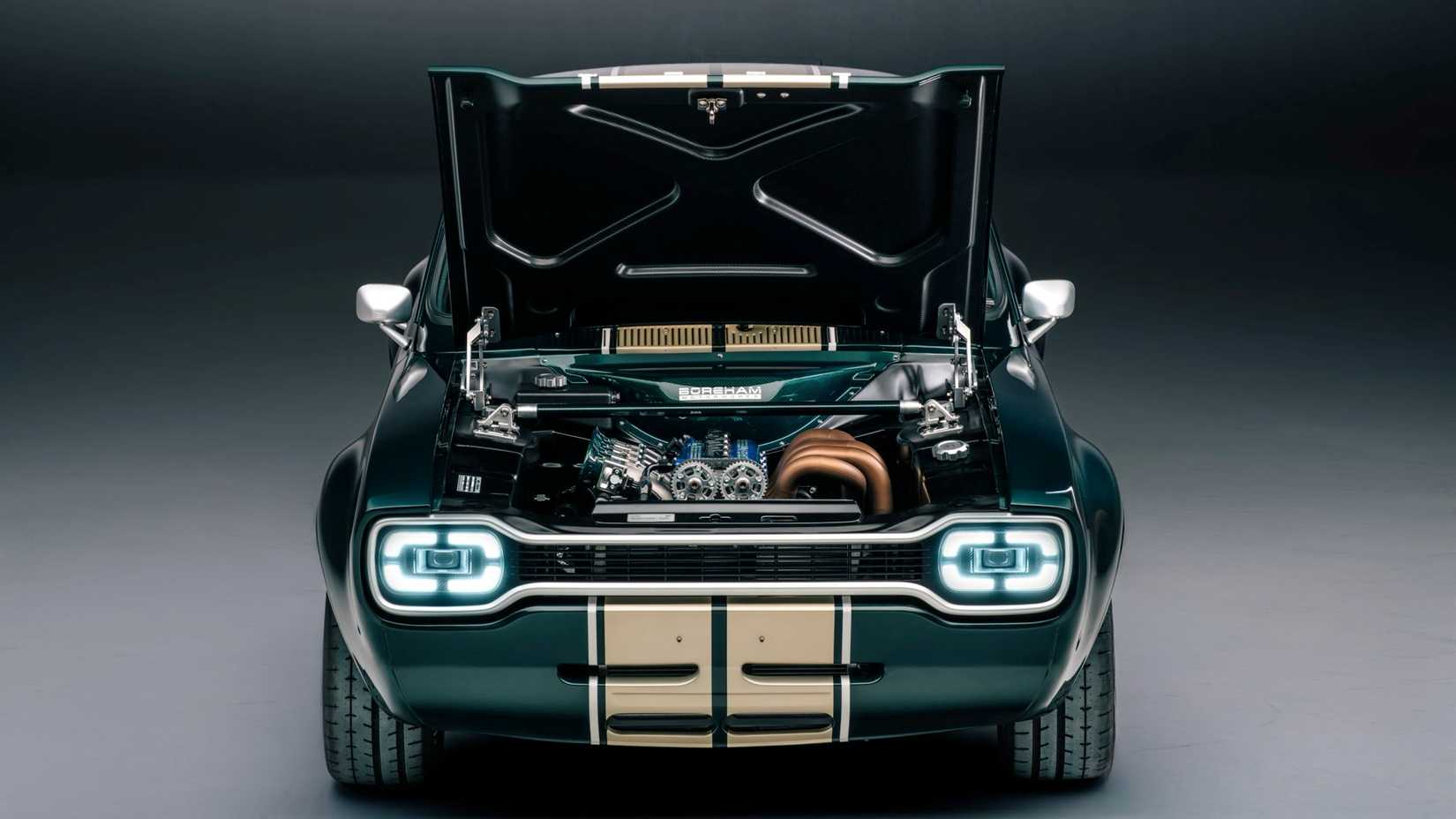
Since all but a few of the 150 examples of Boreham’s Escort RS are new cars (with some delivered as a restomod depending on the market) built from the ground up, certain modern elements are necessary for compliance. The intake and exhaust are just two of the concessions made to meet regulatory requirements. A fly-by-wire throttle system is also fitted to “enhance the character and feel” of the already rev-happy TEN-K motor, according to Martin, and can be calibrated for different throttle progression settings.
The powertrain and chassis work in concert to deliver on Boreham’s trademarked tagline. The lightweight construction and careful placement of drivetrain mass unlock dynamics the original Escort could never have achieved. The engine is mounted as far rearward as possible while maintaining the required clearance from the firewall, and the gearbox is pushed as far back as the transmission tunnel allows — all in pursuit of the lowest, most rearward center of gravity possible in a front-engine, rear-wheel-drive layout.
No Donor Required
The price attached to this hot Escort — revealed slightly further down the page — is not easy to swallow, but it begins to make sense once you understand the depth of engineering and development that goes into every one of these 150 cars.
First, this is not a ‘restomod’ in the traditional sense; no donor Escort is required. Every build starts from scratch, with clients involved from the very beginning to discuss their exact requirements and specifications. It is also officially licensed by Ford and comes with a two-year, 20,000-mile warranty — making it worlds apart from a tidy Escort with a hot engine dropped under the hood. This is a brand-new car and entirely its own thing.
Boreham Motorworks’ History Proves They Know What They’re Doing
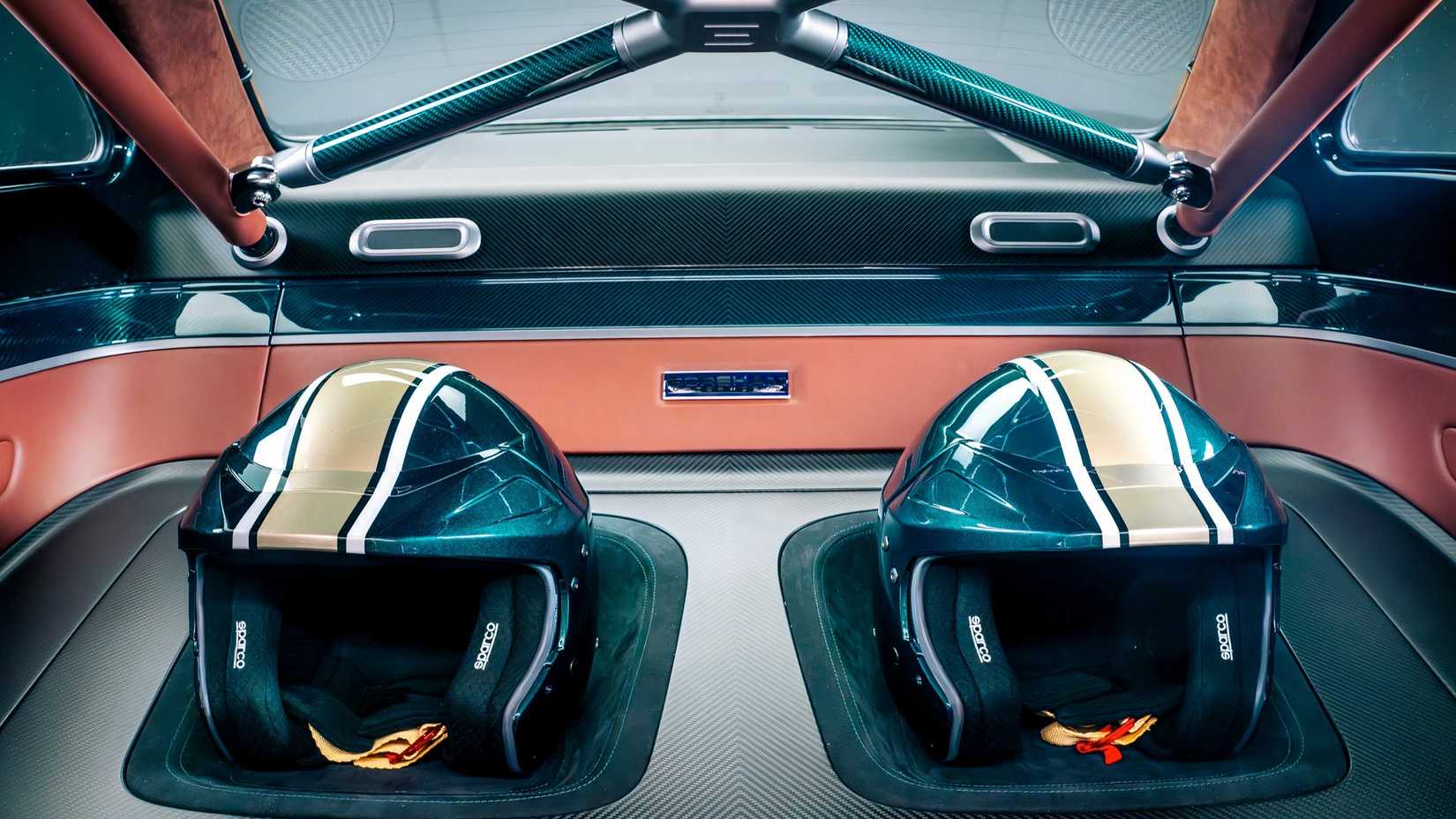
Boreham Motorworks MK1 Ford Escort RS interior detail shot of helmets on the parcel shelfBoreham Motorworks
Boreham Motorworks’ official licensing relationship with Ford to produce a limited number of Escort Mk1 RS units is rooted in the company’s own origins. The specialist builder’s history began in 1963, when Walter Hayes, Director of Ford’s Public Affairs office, authorized the construction of a dedicated facility for the brand’s motorsport program. Fully operational by the following year, the facility developed the Cortina Mk1 GT and the Lotus Cortina into competitive race and rally cars, winning several events in the years that followed.
Its first Escort Twin Cam arrived in 1967 — only 25 units were built, divided between Boreham for rallying and the Alan Mann and Broadspeed racing teams. The arrangement proved fruitful: the Alan Mann Racing Group won the saloon car championship in 1968, and that exact winning car later became the basis for Boreham Motorworks’ “Ford Escort Alan Mann 68 Edition,” which went on to win the 2025 IHMA Car of the Year award.
The builders’ cars went on to win numerous rally events over the following decade, with new models including the RS1700T — which launched at the same time as the dominant Audi Quattro — and the RS2000.
Perception of Performance: Building a Car to Evoke the Senses
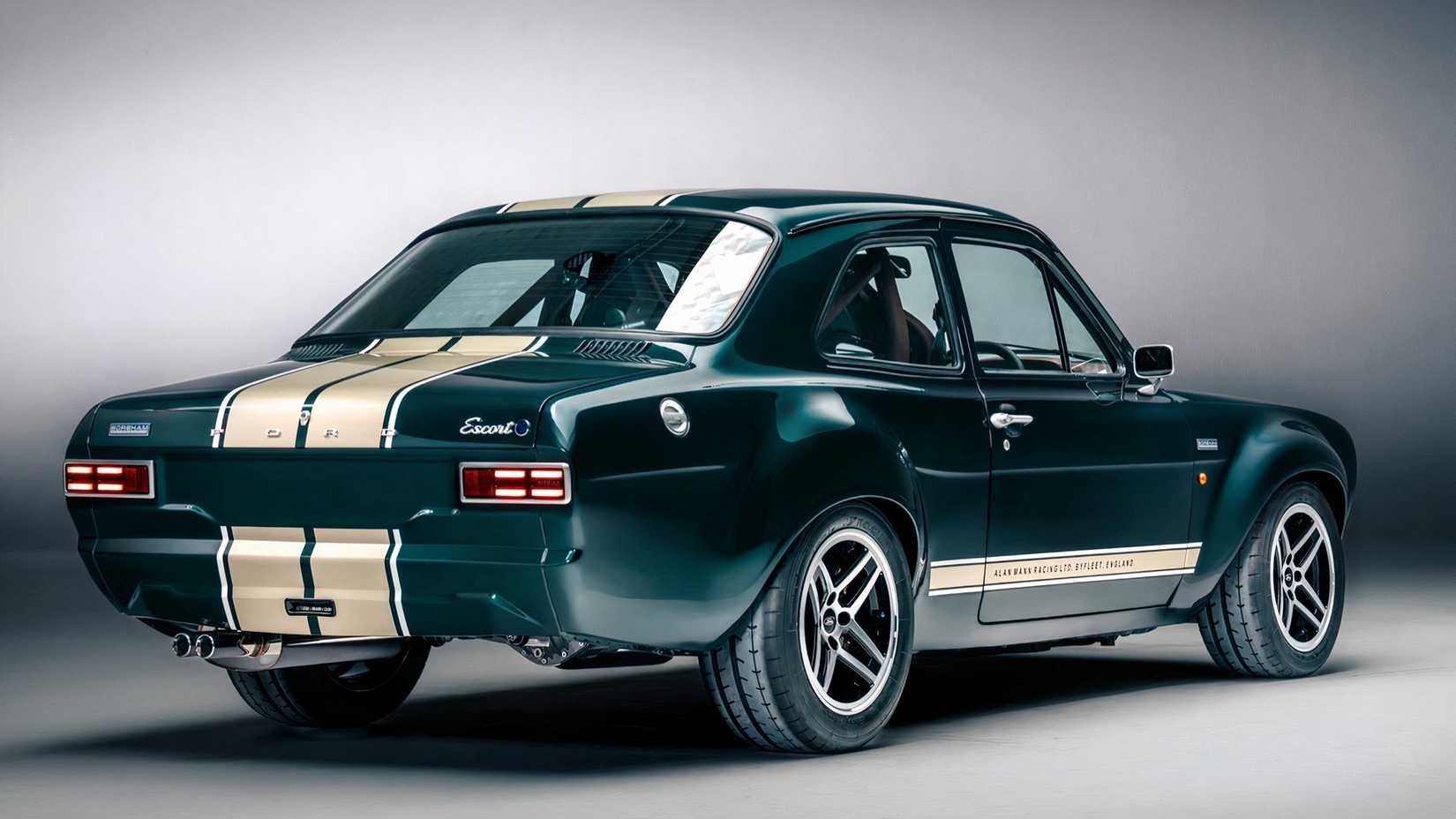
Boreham Motorworks MK1 Ford Escort RSBoreham Motorworks
All of this calls to mind some of the most celebrated sports cars built around zingy, high-revving naturally aspirated four-cylinders: the Toyota GR86 and Subaru BRZ twins in both generations, the Honda S2000, and anything powered by Toyota’s 2ZZ-GE engine — each remembered as much for its powertrain character as its performance numbers.
Honda’s F20C and F22C1 four-cylinders in the S2000, along with Toyota’s 2ZZ-GE, used variable valve timing to adjust camshaft profiles and shift the point at which peak power is made. The S2000’s early engine famously revved to 9,000 rpm; Toyota’s unit spins to 8,500 rpm. That approach works well when manufacturers are working within a budget — but since Boreham clearly is not, it has the freedom and resources to reach directly into the racing parts bin.
The lightweight billet steel components that slash rotational inertia mean the TEN-K has no need for variable valve timing to alter its character. VVT can create a split personality in an engine, with sharpness only arriving after the system switches modes. By building lightness in from the outset, Boreham ensures the TEN-K is alive and responsive right from idle.
Has Boreham Delivered on its Claim to Fame?
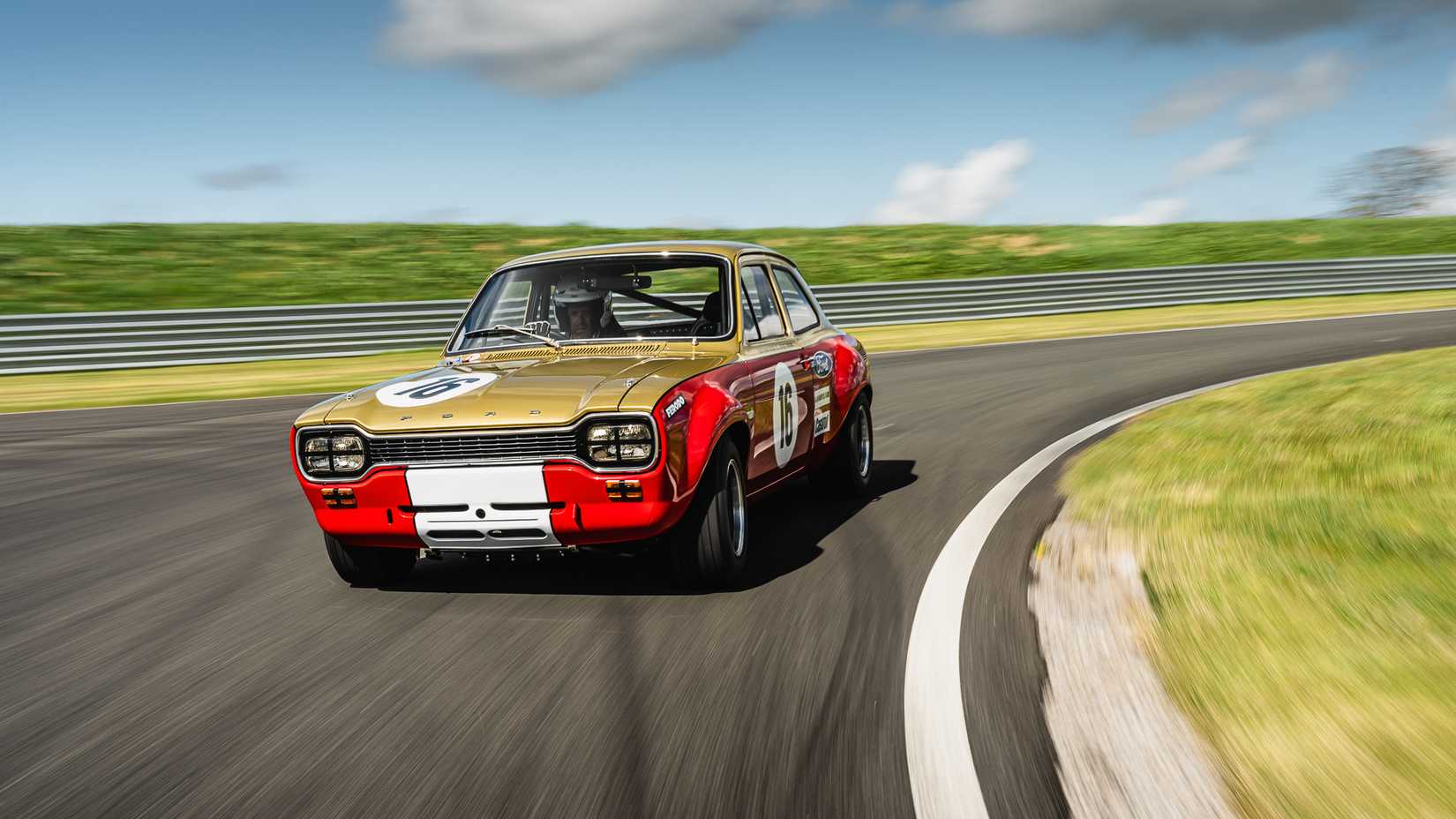
Boreham Motorworks. Ford Escort Alan Mann 68 EditionBoreham Motorworks
The firm had considerable practice building Escorts the way Ford originally intended in the 1960s before it began work on the RS. Boreham produced 24 licensed continuation Escort models developed in partnership with Alan Mann Racing — all period-correct Group 5 touring cars built for the track. It is safe to say the company knows its way around a Mk1 Escort.
Even without a drive in the Ford Escort Mk1 RS, it is clear that the work was done to fulfill the project’s ambitions and the company’s analog philosophy. The RS will appeal to enthusiasts with classic taste and an appreciation for modern engineering. Other cars available at a similar price point may offer twice the performance, but rarely half the character — which places Boreham’s creation in a league of its own, at a price roughly equivalent to $394,480 (£295,000).
At the heart of what makes classic cars enduring is the sensory experience — the sounds and smells that modern cars work so hard to suppress. The Escort RS needs no artificial enhancement to convince drivers it is something special. The way it builds power, the way the exhaust note sharpens as the revs climb, and the relentless pull it sustains through the gears are all qualities that were engineered in from the very beginning.
Sources: Boreham Motorworks