
“As far as I know, it’s unprecedented,” CAA board chairman Mark Darrow said of the proposed levy cuts.
The CAA has suggested the domestic passenger security levy drop from $10.91 to $10.36 per passenger.
International levies would go from $22.30 to $21.19. The figures exclude GST.
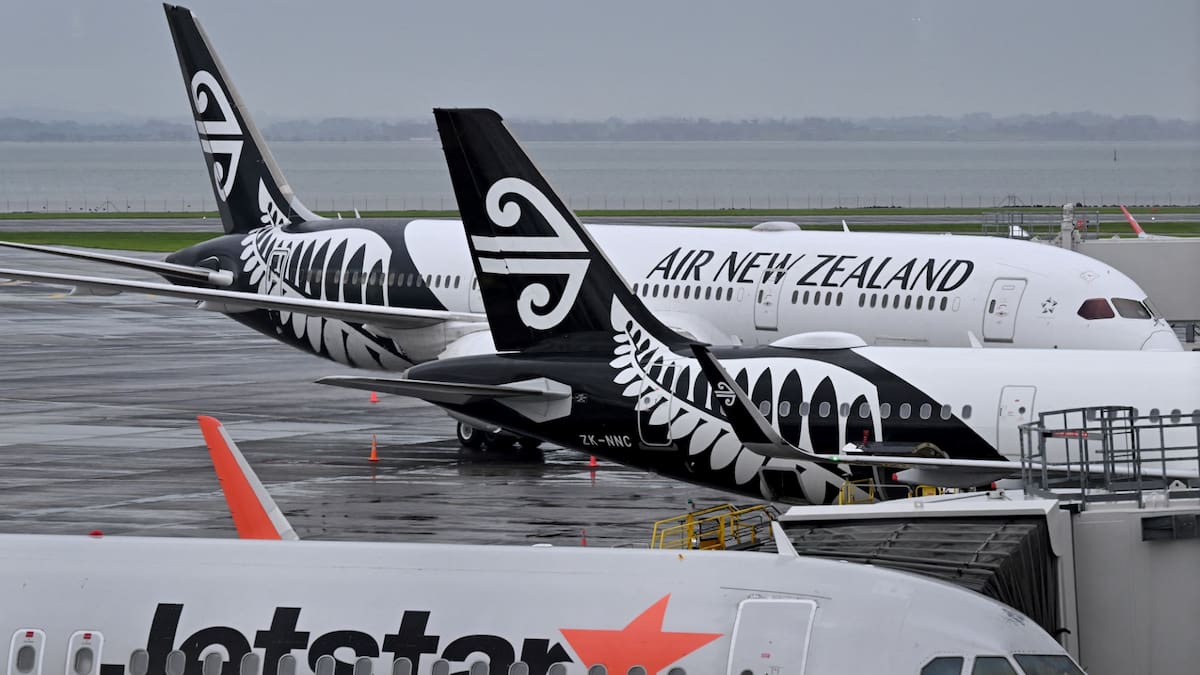
Air New Zealand in the last financial year carried 5.962 million international and 10.048 million domestic passengers.
The proposed cuts, if applied to those volumes, would save the airline $14.43 million a year.
Airlines have repeatedly complained about aviation system costs, which include airport and air traffic control charges and the CAA levies.
The CAA estimated the proposed cuts would reduce levy collections by $70.935m by the 2032/33 financial year.
The levies are paid per passenger, regardless of flight distance or duration.
They are collected for the CAA’s Aviation Security Service (AvSec), which operates security screening at airports.
Darrow told the Herald levies did not increase for several years around the Covid era, when aviation activity drastically slowed down.
“So we had a big catch-up 12 to 18 months ago.”
He said better technology and rostering had since delivered savings.
The breakthrough included new scanning technology, which Darrow said “had a profound effect”.
The days of removing laptops from bags before screening appear to be numbered.
Better 3D technology allowed AvSec staff to view scans and tell if an object was a legitimate piece of technology or a suspicious object.
The technology could potentially allow security staff to work remotely.
“So far we’ve taken it into nearby offices.”
Darrow said a smarter rostering system had cut overtime costs too.
The CAA said an average of 97% of passengers were screened in less than 10 minutes.
That 10 minutes was from the point a passenger joined the queue to the point they were cleared by security to proceed to the gate.
Darrow said the CAA had made no recent layoffs or staff cuts to save money.
“There’s natural attrition but we’re just making rosters better.”
Lidar (light detection and ranging) technology had also improved queue processing times, Darrow said.
The system was effective for foot traffic management as it detected customer movement and could show AvSec when it was time to open more screening capacity.
The consultation starting today is only on domestic and international passenger security levies.
Other CAA safety and security fees, charges and levies will be considered separately through a different review, with broader public consultation expected in mid-2027.
Darrow said those other fees and charges included certifications for airlines, pilots and airports.
Associate Transport Minister James Meager said the Government had committed to reduce levies once the CAA stabilised after Covid.
He said the CAA’s cash reserves had recovered faster than expected.
“It is now in the position to charge airlines less while continuing to meet aviation security expectations and performance targets,” he said.
“At an individual passenger level, the amount may feel modest, but when considered collectively the benefit to airlines of being able to invest that money elsewhere will be significant.”
Kane Patena, director of Civil Aviation and CAA chief executive, said the proposal showed the authority was focused on delivering good safety and security in a cost-effective way.
“Aviation is facing real cost pressure. We cannot control every cost in the system, but where CAA can sustainably charge less while continuing to deliver strong security services, we will.
“We have also strengthened our financial position, rebuilt appropriate reserves, and updated passenger forecasts also give us greater confidence in future revenue.”
Patena said those factors meant the CAA was confident now was the right time to test a 5% reduction in passenger security levies.
The CAA said proposed cuts would not impact its ability to meet performance targets for aviation security services.
It planned to start targeted consultation with parties including Air New Zealand, Jetstar and the Airports Association, today.
That consultation would continue until noon on October 14.
Aviation Industry Association (AIANZ) chief executive Simon Wallace welcomed the move.
He said it provided an opportunity for airlines to pass on savings to travellers, but he said passenger security levies were only part of the story.
“Airports must be subject to greater scrutiny of their charges as they directly benefit from any increase in passenger numbers.”
Wallace also said Airways, responsible for air traffic control, should be assessing its levies.
He said the industry wanted next year’s funding review to assess other CAA charges and levies.
“Further savings must be made to provide relief to an industry that has been challenged by astronomical increases in fuel costs this year”.
John Weekes is a business journalist covering aviation. He also has experience covering consumer affairs, crime, politics and courts.
Stay ahead with the latest market moves, corporate updates, and economic insights by subscribing to our Business newsletter – your essential weekly round-up of all the business news you need.