
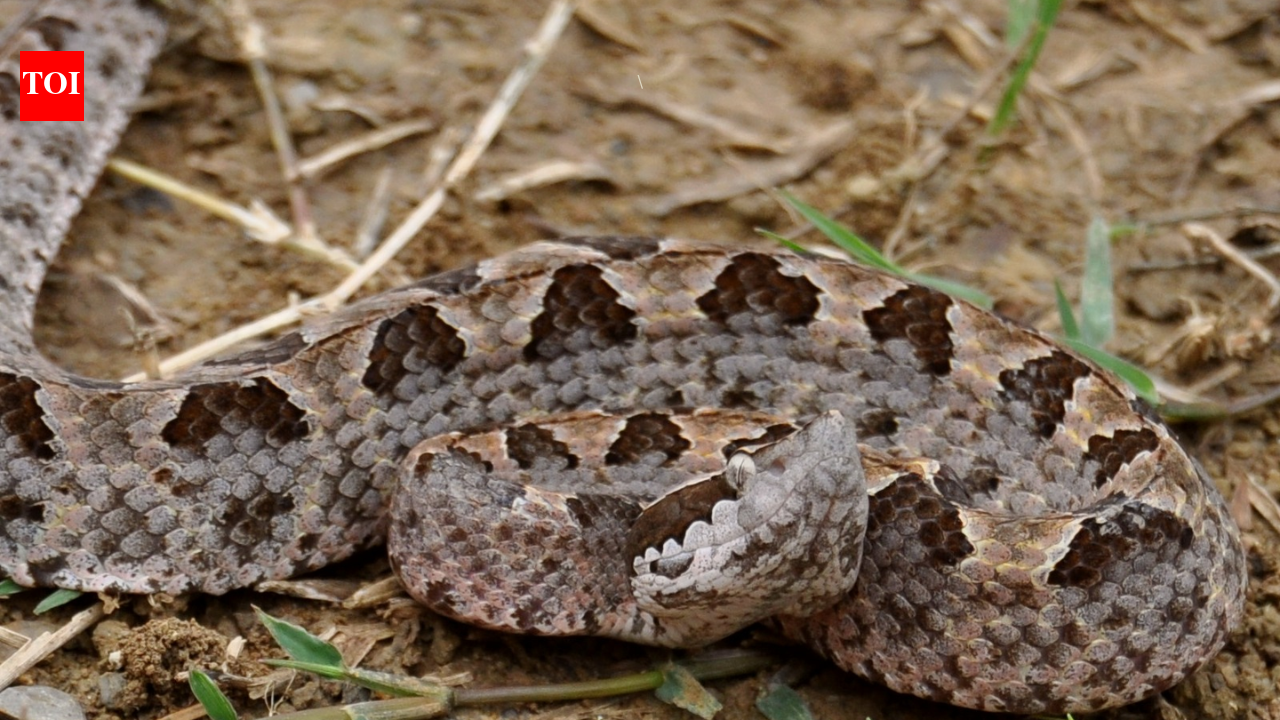
 The Malayan pit viper (Calloselasma rhodostoma) is a venomous pit viper found across parts of Southeast Asia. The species occurs in Cambodia, Indonesia, Laos, Malaysia, Thailand and Vietnam, with the IUCN assessment recording it from sea level to 700 metres. Research has examined its venom, diet and geographical variation, and a close association between venom variation and diet. More recent venom-gland transcriptomic research identified 314 toxin transcripts belonging to 22 toxin gene families. The species is also medically important because its haemotoxic venom is associated with local and systemic effects following envenomation.
Malayan pit viper: Size, distribution, habitat and venom facts
ParametersKey informationScientific nameCalloselasma rhodostomaCommon nameMalayan pit viperFamilyViperidaeTypeVenomous pit viperDistributionCambodia, Indonesia (Java), Laos, Peninsular Malaysia, Thailand and Vietnam according to the cited IUCN assessmentElevationRecorded from 0 to 700 metres in the cited IUCN assessmentHabitatForest and artificial/terrestrial habitatsPopulation trendStable in the cited IUCN assessmentConservation statusLeast ConcernDietThe supplied species source reports rodents as the main prey, together with frogs, lizards and occasional birdsVenomHaemotoxic venom containing multiple toxin familiesToxin gene families22 toxin gene families were identifiedSecond most abundant toxin familySnake venom C-type lectin/lectin-like protein (Snaclec), accounting for 12.38%Third most abundant toxin familySnake venom serine protease (SVSP), accounting for 11.58%Systemic effectsReported effects included haemorrhage and abnormal haemostasis
What makes the Malayan pit viper’s venom vary across Southeast Asia
Scientific nameThe scientific name of the Malayan pit viper is Calloselasma rhodostoma. The species belongs to the family Viperidae and is treated as a pit viper in the supplied research. The 2023 transcriptomics paper uses Calloselasma rhodostoma throughout its analysis of venom-gland transcripts and toxin families.The species is the focus of the 1996 Nature study on diet and snake venom evolution, which examined geographical variation in venom among populations of C. rhodostoma.Common nameThe common name used for Calloselasma rhodostoma is the Malayan pit viper. The name is used in the IUCN material and in the 2023 venom-gland transcriptomics research. The 2023 study describes the species as a haemotoxic snake widely found in Southeast Asia.FamilyThe Malayan pit viper belongs to the family Viperidae. The IUCN taxonomy supplied for the species places it in Kingdom Animalia, Phylum Chordata, Class Reptilia, Order Squamata and Family Viperidae. Its genus is Calloselasma. The species is a venomous snake with haemotoxic venom and focuses on the toxin proteins expressed in its venom glands.DistributionThe IUCN assessment records Calloselasma rhodostoma as native and extant in Cambodia, Indonesia (Java), Laos, Peninsular Malaysia, Thailand and Vietnam. The assessment describes the geographical range at a global level.Geographical description of the Malayan pit viper, placing it across Southeast Asia and including Thailand, Cambodia, Laos, Vietnam, Myanmar, northern Peninsular Malaysia and Java. Because the IUCN assessment and the secondary species account present slightly different range descriptions, the IUCN-listed countries are retained separately here rather than combining the two into a single range statement.ElevationThe IUCN assessment records the Malayan pit viper from 0 to 700 metres in elevation. These figures are part of the assessment’s geographic-range information for Calloselasma rhodostoma.HabitatThe IUCN assessment lists forest and artificial/terrestrial habitats for the Malayan pit viper. The supplied species account gives additional descriptions of dry lowland and coastal forest, bamboo stands, rubber and fruit plantations, orchards and neglected farmland with dense cover.The habitat information therefore includes both natural environments and areas modified or used by people. The supplied species account associates the snake’s presence in cultivated areas with environments where rodents occur.DietThe Malayan pit viper is described in the supplied species account as an ambush hunter. Rodents, including rats and mice, form the main reported component of its diet, while frogs, lizards and occasional birds are also recorded.Diet is particularly important to the species’ venom biology. Geographical variation in the venom of Calloselasma rhodostoma was closely associated with diet. The researchers also examined contemporary gene flow, estimated from geographical proximity, and phylogenetic relationships assessed through mitochondrial DNA. They rejected both factors as important influences on venom evolution.VenomThe Malayan pit viper has haemotoxic venom. The species’ venom-gland transcriptome and identified 314 toxin transcripts, representing 61.41% of total FPKM, which were classified into 22 toxin gene families.The study identified SVMP, Snaclec and SVSP as the three most abundant toxin families. SVMP accounted for 61.31% of total toxin FPKM, followed by Snaclec at 12.38% and SVSP at 11.58%.SVMP toxin familySnake venom metalloproteinase (SVMP) was the most abundant toxin family identified in the venom-gland transcriptome. The study recorded 61.31% of total toxin FPKM for this family.Within the SVMP family, snake venom metalloproteinase kistomin and zinc metalloproteinase/disintegrin were identified as Calloselasma rhodostoma proteins with 100% identity in the database comparison. Together, these two toxins accounted for 60.47% of total toxin FPKM.Snaclec toxin familySnake venom C-type lectin/lectin-like proteins, referred to as Snaclec in the study, represented the second most abundant toxin family. The family accounted for 12.38% of total toxin FPKM.Among the identified proteins, Snaclec rhodocetin subunit beta was the most abundant Snaclec toxin and accounted for 5.50% of total toxin FPKM. Other C. rhodostoma Snaclec proteins were also identified in the analysis.SVSP toxin familySnake venom serine proteases (SVSP) formed the third major toxin family in the venom-gland transcriptome. The study recorded 11.58% of the total toxin FPKM for this family in its summary of the three most abundant toxin families.The detailed analysis identified the thrombin-like enzyme ancrod-2 and another thrombin-like enzyme ancrod-2 among the Calloselasma rhodostoma proteins in this family. The study also identified a snake venom serine protease from Trimeresurus gramineus as the most abundant individual protein match within the SVSP group.Clinical effectsThe transcriptomics study reports several clinical effects associated with C. rhodostoma envenomation. Local effects were reported in 93.4% of the patients discussed in the study and included swelling, pain, bleeding at the wound, ecchymosis, bleb, necrosis, haematoma, necrotising fasciitis and compartment syndrome.Systemic effects were reported in 88.0% and included haemorrhage and abnormal haemostasis. The study also reports abnormalities including prolonged venous clotting time, an unclotted 20-minute whole-blood clotting test, platelet counts below 50,000/μL and prolonged INR greater than 1.2.Venom and dietThe researchers reported that venom composition within Calloselasma rhodostoma varied geographically and that this variation was closely associated with diet. Contemporary gene flow, estimated from geographical proximity, and phylogenetic relationships based on mitochondrial DNA were rejected as important influences on venom evolution. The authors therefore associated the geographical differences in venom composition with natural selection related to local prey.Medical importanceCalloselasma rhodostoma is a haemotoxic snake and is identified as a medically important venomous snake of Southeast Asia. The paper reports that, among the medically important venomous snakes considered in Thailand, C. rhodostoma was responsible for 38% of poisoning cases cited by the study.Understanding the venom protein profile and toxin classification is important for interpreting clinical symptoms and for potential therapeutic applications. Variation among toxin families and amino-acid sequences and describes the development of universal antivenom as challenging.Conservation statusIt records the current population trend as stable and states that the population is not severely fragmented. The IUCN assessment also records that the species occurs in at least one protected area. The listed threats include agriculture and aquaculture, annual and perennial non-timber crops, livestock farming and ranching, and logging and wood harvesting.Population trendThe IUCN assessment describes the population trend of the Malayan pit viper as stable. This is the population-trend category recorded in the cited global assessment.Main recorded threatsThe IUCN assessment lists agriculture and aquaculture, annual and perennial non-timber crops, livestock farming and ranching, and logging and wood harvesting among the threats recorded for Calloselasma rhodostoma. The species occurs in forest and artificial/terrestrial habitats and is stated to occur in at least one protected area.
Conservation challenges faced by the Malayan pit viper across its range
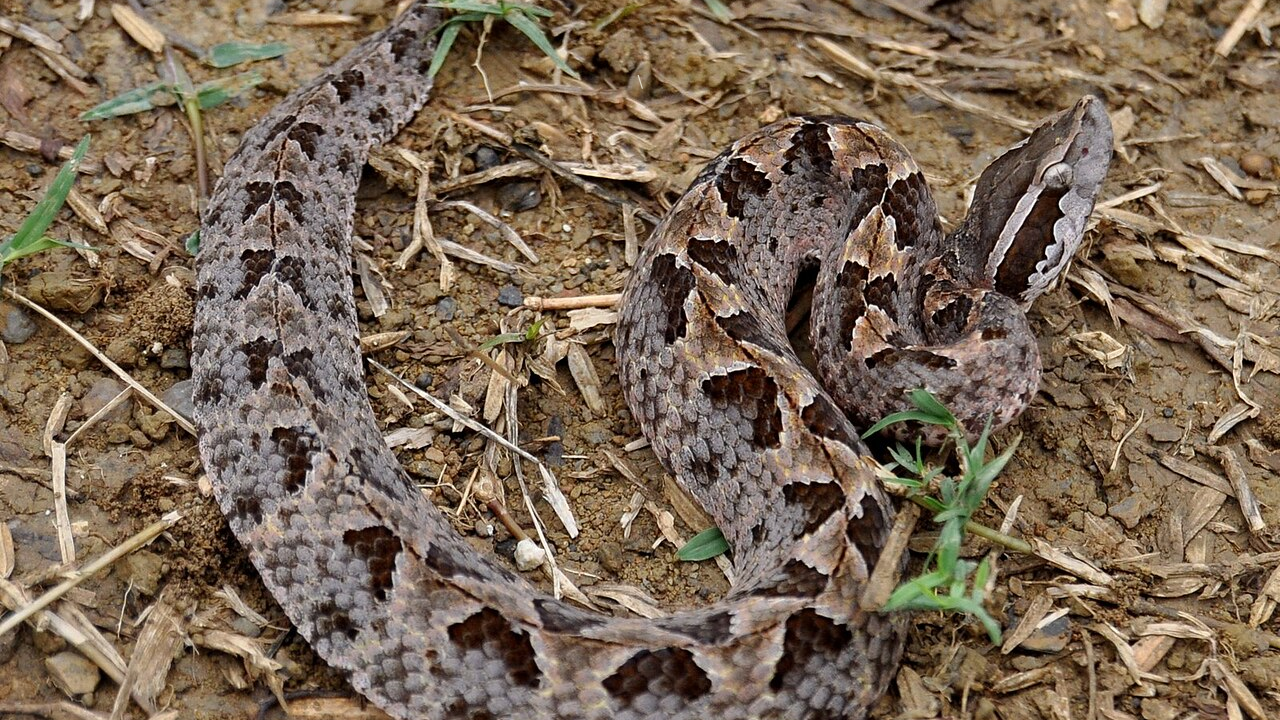
PC: Wikipedia
The Malayan pit viper is documented across several countries in Southeast Asia, with the cited IUCN assessment recording a stable population trend and a Least Concern status. At the same time, the assessment identifies agriculture, livestock-related activities and logging among the recorded threats to the species. Research into its venom has also documented substantial variation in toxin composition and has linked geographical venom variation with diet. These findings provide source-based information on the species’ distribution, ecology, venom biology and conservation status without extending beyond the documented evidence.