
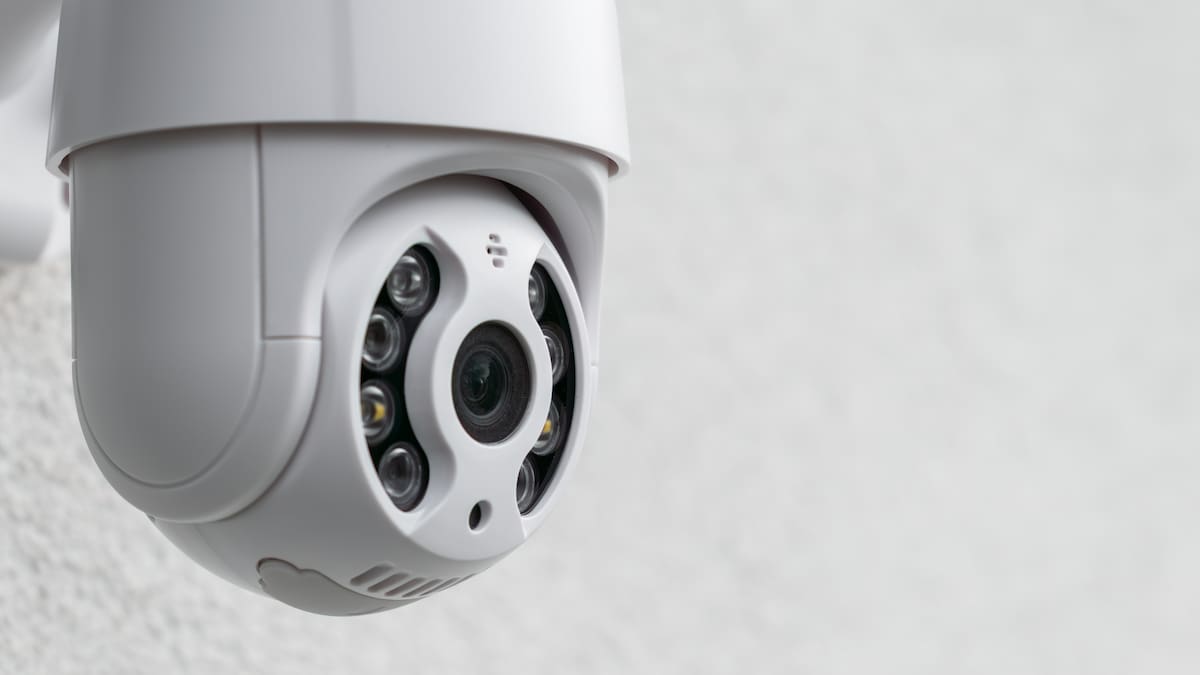
“Members are, quite rightly, concerned not only about their own personal safety but the safety of their families,” the agency said.
“Therefore, the Authority introduced a reimbursement allowance to cover the installation and monitoring of a security system at a member’s primary place of residence.”
Christchurch mayor Phil Mauger. Photo / Christchurch City Council
Under the rules, councils can choose to reimburse councillors up to $4500 for the purchase and installation of a home security system, along with up to $1000 a year for monitoring, repairs and call-out costs.
Any claim would require a security threat and risk assessment authorised by the council.
The rules also allow councillors to seek reimbursement for additional security measures recommended through a risk assessment, subject to approval from the Authority.
Councils that opt into the scheme must include the allowance in their elected members’ allowances and reimbursement policy.
Christchurch’s neighbouring Waimakariri and Selwyn District Councils have already adopted the allowance.
The scheme has also been introduced by other New Zealand councils including Hamilton, Wellington, Invercargill, Queenstown and Hastings.
Auckland City Council voted in the allowance in March, taking a “two-tier approach”.
A spokeswoman explained it “allows a $1000 allowance – which is adequate for the majority of elected members – and a $4500 allowance for anyone with higher security needs”.
“While we can’t go into detail of any requests or assessments, to protect the integrity of the security needs, I can share that we’ve had half a dozen requests and the majority are for the $1,000 allowance,” she said.
A report prepared by Christchurch City Council staff ahead of tomorrow’s meeting notes the proposal is considered “low significance” – but recommends elected members approve a revised allowances and expenses policy that would allow them to claim the security allowance.
“To date there have been very few inquiries by elected members about the allowance, and it is therefore presumed that the demand for this allowance will be low,” the report states.
Elected members across New Zealand are being subjected to increasing abuse and threats. File photo. Photo / 123RF
“Where there have been security concerns for any elected member reported, the council’s health and safety team and the security manager have provided triage and advice services.
“On occasion, an external consultant has been engaged to undertake an assessment, and support has been provided by the council directly.
“This has included guidance on home security and recommendations relating to actions that can be taken at the elected member’s own expense, including at the elected member’s primary place of residence.”
Staff said that if the allowance was introduced and there was a “significant take up” by councillors, budgets “may need to be adjusted as part of the annual plan process”.
“Council has obligations to its elected members in relation to wellbeing support, which includes security,” the report said.
“The approach to date has provided triage and advice services. The addition of a home security system allowance formalises that support and the process for elected members to claim an allowance to support this.”
All allowances and expenses claimed by elected members are proactively disclosed on the CCC website.
Staff said disclosure of reimbursement for the home security system allowance will be included, but “reported collectively and will not identify any individual elected member”.
Councillors will vote on the matter at tomorrow’s meeting, which starts at 9.30am.
Last year, Local Government New Zealand chief executive Susan Freeman-Greene said more protection for elected members is something they have been advocating for.
“The rise of fringe groups, anonymity of online forums and polarising coverage is feeding increasing abuse of people elected to both central and local government,” she told the Herald.
“As well as online threats, elected members have been physically threatened or confronted.
Former Nelson mayor Rachel Reese, who had a frightening encounter with an intruder in her home. Photo / Tracy Neal
Central Otago Mayor Tamah Alley said the introduction of the funding was a “great win for local government members representing their communities”, saying it is a way to combat a rising number of concerning incidents targeting local government politicians.
Alley, a former police officer, said there is a unique risk in being a politician in a rural community, as “everybody knows where you live”.
“That’s not always the same in the city, you can have a bit of anonymity, but down here it’s not hard to ask around and find out where our elected members are and who their family are and when they’re home.”
“I was so shocked, he was screaming and ranting at me, and I just thought, ‘I have to protect myself’,” Reese told the Herald at the time.
“Given the job I did, I was the subject of threats and abuse, but coming home was my salvation – it was my haven,” she said at the time.
Reese said it highlighted the need for better support for elected members.
A 2022 survey of elected members found 43% said they had experienced harassment, prejudice, threatening or derogatory behaviours in their role.
Half had experienced harassment while working in the community, while a third said abuse occurred while they had been shopping or collecting children from school.
The allowance is also offered to MPs.
Anna Leask is a senior journalist who covers Christchurch issues and national crime and justice. She joined the Herald in 2008 and has worked as a journalist for more than 20 years with a particular focus on family and gender-based violence, child abuse, sexual violence and homicides. She writes, hosts and produces the award-winning podcast A Moment In Crime, released monthly on nzherald.co.nz.