
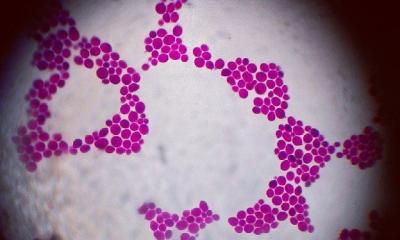
The amplified DNA is then loaded onto a portable device for nanopore sequencing, a technique that determines the sequence of DNA molecules as they pass through nanoscale pores. Unlike sequencing approaches that require a completed run before results can be assessed, nanopore sequencing generates DNA sequence data in real time as the run progresses. The resulting sequences are then investigated against a custom-built reference database containing genetic information from a wide range of microorganisms, including fungal and bacterial pathogens associated with bloodstream infections. “I have a background in sequence analysis and genomics, and I saw an opportunity to apply my expertise to the important clinical challenge of fungal infections,” explains Prof. Takahashi. “I was particularly motivated by the possibility of using modern genomic technologies to improve our understanding, diagnosis, and ultimately treatment of these infections.”
In tests using 48 clinical blood culture samples representing eight fungal species, the proposed workflow achieved species-level identification within approximately seven hours with remarkably high accuracy. Notably, the researchers also found that the method could identify a range of fungal pathogens, such as Candida albicans, Nakaseomyces glabratus, Candida parapsilosis, Candida tropicalis, and Cryptococcus neoformans. It even detected mixed infections in some samples, involving those with two fungal species or both fungi and bacteria.
A key feature of this novel approach is its speed, as it can identify fungal pathogens directly from blood culture samples before the cultures turn positive in conventional culture systems. “Our method may enable clinicians to initiate appropriate antifungal treatment earlier, potentially improving outcomes for patients with life-threatening fungal bloodstream infections,” remarks Prof. Takahashi. Moreover, because the workflow captures the full genome of the pathogen, it can also detect genetic variants in genes associated with drug resistance.
The researchers note that further work will be needed to determine the best timing for collecting samples during incubation and to improve detection when heavy bacterial growth masks fungal signals in mixed infections. With further validation, their strategy could contribute to the development of rapid diagnostic procedures for life-threatening fungal infections, reducing delays in effective therapy and ultimately improving care for affected patients.
Source: Chiba University