
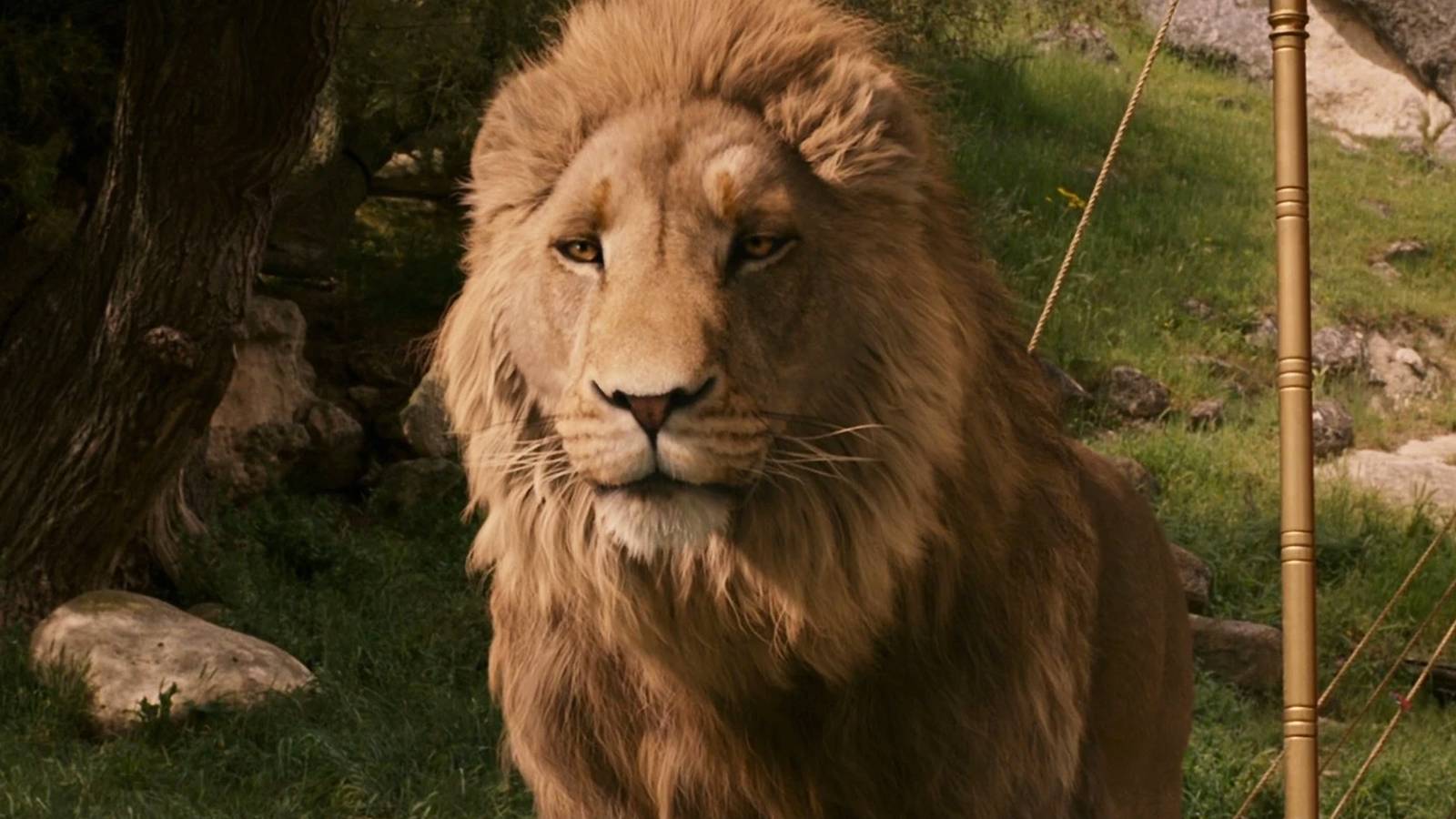
It’s no exaggeration to say that Greta Gerwig’s new Chronicles of Narnia reboot may be next year’s most controversial film. The Netflix-produced Narnia: The Magician’s Nephew hits theaters in February, reintroducing C.S. Lewis’s iconic fantasy world and potentially kickstarting a seven-film franchise. However, it will have to win over fans if it wants to have any chance of continuing past its first installment.
Early details about The Magician’s Nephew have Narnia fans worried, as the extent of Gerwig’s changes to the source material becomes apparent. Much attention has gone to casting Meryl Streep as the male Lion, Aslan, who is meant to be a stand-in for Jesus Christ. While this is a disastrous creative choice, one other more subtle decision threatens to ruin not only the upcoming movies, but also all of its potential sequels.
Netflix Is Already Destroying the Narnia Timeline
Greta Gerwig’s new Narnia movie is massively altering the timeline of C.S. Lewis’s original books. It has been confirmed that The Magician’s Nephew will take place in the 1950s, tying into the early years of rock and roll, which heavily inspired Gerwig’s interpretation of the fantasy stories. Anyone remotely familiar with Narnia, however, will recognize that this is a vast departure from the books that will only cause further headaches for the franchise down the road.
C.S. Lewis’s The Magician’s Nephew takes place at the turn of the century, specifically in the year 1900, a full fifty years or more earlier than Netflix’s upcoming adaptation. This alone should be enough to puzzle fans. It doesn’t take a history scholar to tell you that there is a vast difference between 1900 and 1950. Culture, technology, societal norms, world events, and pretty much every facet of day-to-day life differ wildly between these two years, which threatens to undermine the charm and novelty of Lewis’s original book.
The timeline shift will also get in the way of certain themes in The Magician’s Nephew. C.S. Lewis included certain storylines as direct critiques of the societal norms of the early part of the 20th century, particularly the classist divide that separated citizens of Britain. Frank the Cabby, in particular, is included as a way to show that even a lowly driver can graduate to the rank of king under the right circumstances. While there are still plenty of critiques to be made of the mid-20th century in this regard, it feels like a stark departure from what Lewis originally intended.
NEW

Hover to rip
Graded Comics
Rip Mystery Packs of Graded Cards & Collectibles
Hover here to rip the pack open.
Amazing Spider-Man Annual #1
Marvel, 1964 · CGC 5.0
Comic value
$1,353
Detective Comics #378
DC, 1968 · CGC 9.8
Comic value
$1,205
Even more frustrating is what this creative decision will do to the Narnia franchise as a whole. The Magician’s Nephew takes place before the other six books, depicting the birth and early years of Narnia. Future installments, however, must take place during World War II or else they lose important elements of their core stories.
The next book, The Lion, the Witch, and the Wardrobe, takes place during the Battle of Britain in 1940. The Pevensie children only discover Narnia because they have been sent away from their home in London due to the Germans’ bombing campaigns. Their experiences as survivors of the Blitz are crucial to their storyline throughout the novel, as well as in their future appearances throughout the series.
If the Netflix reboot keeps the same time jump between installments, its adaptation of The Lion, the Witch, and the Wardrobe will take place in the 1990s. There really is no symmetrical world event that could bring about the Pevensies’ move into the countryside without losing the impact of the London Blitz. It seems that moving up the books’ timeline was a shortsighted move on Gerwig’s part that will come back to bite her sooner than she expects.
Worse, the rest of the series covers a timeframe of another nine years (by Earth reckoning, not Narnian). This means that The Last Battle would most likely take place in the early 2000s. As nostalgic as this period may be, it’s hardly as charming as the original timeframe in which Lewis’s books were set. Instead of a fun period piece to frame its fantasy stories, Narnia is opting for a return to the age of low-rise jeans and frosted tips. But, sure, that’s just as fun.
Netflix’s Narnia Reboot Is Making a Lot of Changes to the Original Story
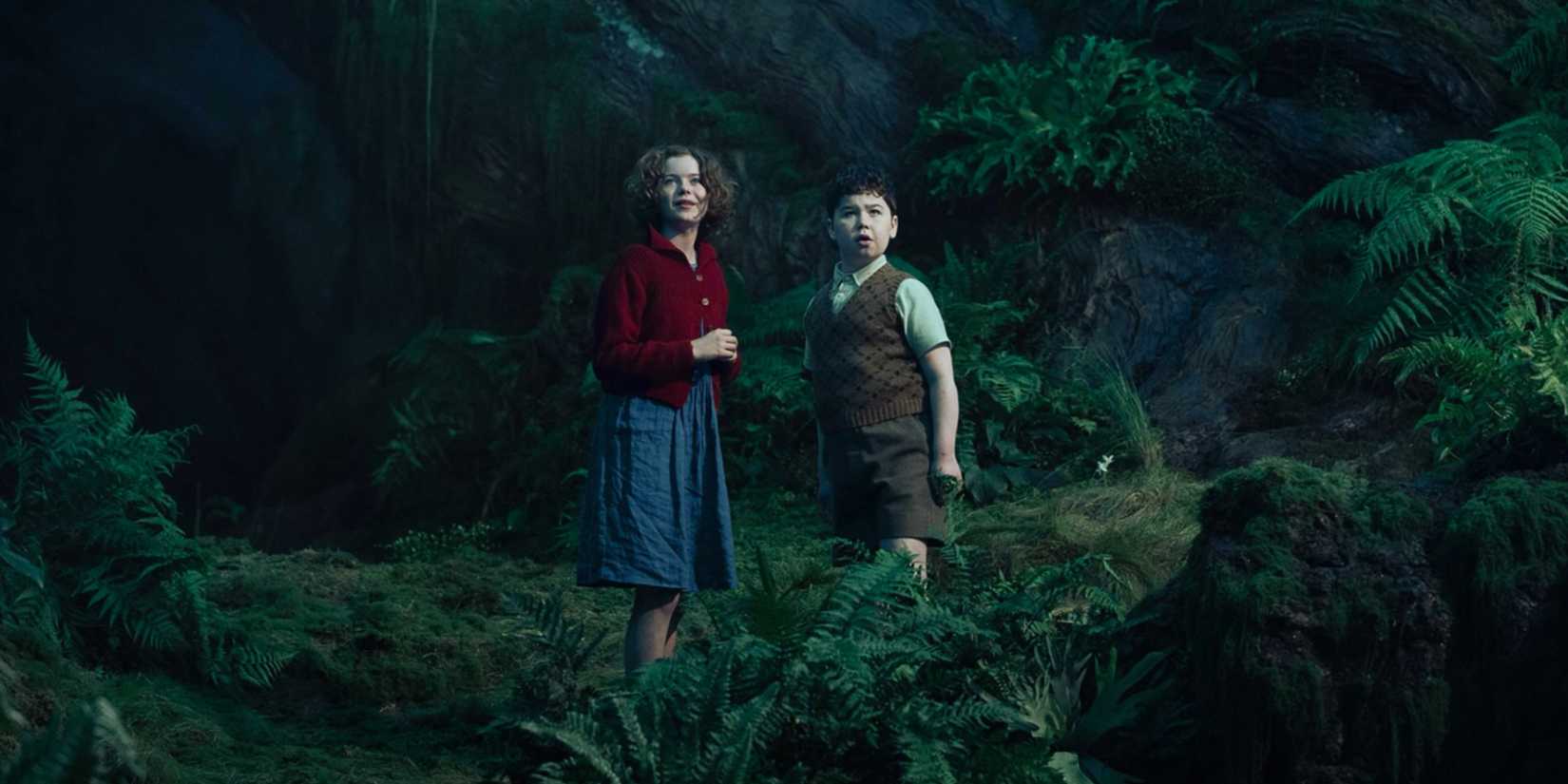
Polly Plummer and Digory Kirke in the Wood Between the Worlds in Narnia The Magician’s NephewImage via Netflix
The timeline isn’t the only thing that Netflix’s new Narnia movies are completely disregarding. Practically everything that has been announced about The Magician’s Nephew thus far is a stark departure from the book, which is certainly enough to leave fans concerned about the upcoming reboot.
Most controversial is the choice to cast Meryl Streep as Aslan. From the initial announcement, it seems as though Aslan will still be male in the film, though the Academy Award-winning actress has been cast as his voice. Greta Gerwig explained her desire to cast someone who would bring a particular gravity to the role and, having worked with Streep for 2019’s Little Women, thought that she would be perfect for the role.
This choice, of course, is controversial and rather unnecessary. Aslan is a blatant stand-in for the Christian God in C.S. Lewis’s original books–it isn’t a theory; it is treated as fact within the story itself. To cast Streep as the Lion is either a strong political statement that would automatically alienate the franchise’s core audience or a signal that the reboot will completely disregard Narnia’s original Christian themes… which would also automatically alienate the franchise’s core audience.
Greta Gerwig has also spoken about The Magician’s Nephew being a love letter to the rock songs that she loved in her childhood, particularly those of David Bowie. She’s described the film as a “rock opera” of sorts, which is puzzling for anyone who has ever picked up a Narnia book. There isn’t much that is “rock and roll” about C.S. Lewis’s fantasy world, and to cram this tribute in so forcefully can only mean that the films will be taking even more liberties with the source material.
Netflix’s Narnia Changes Are Frustrating
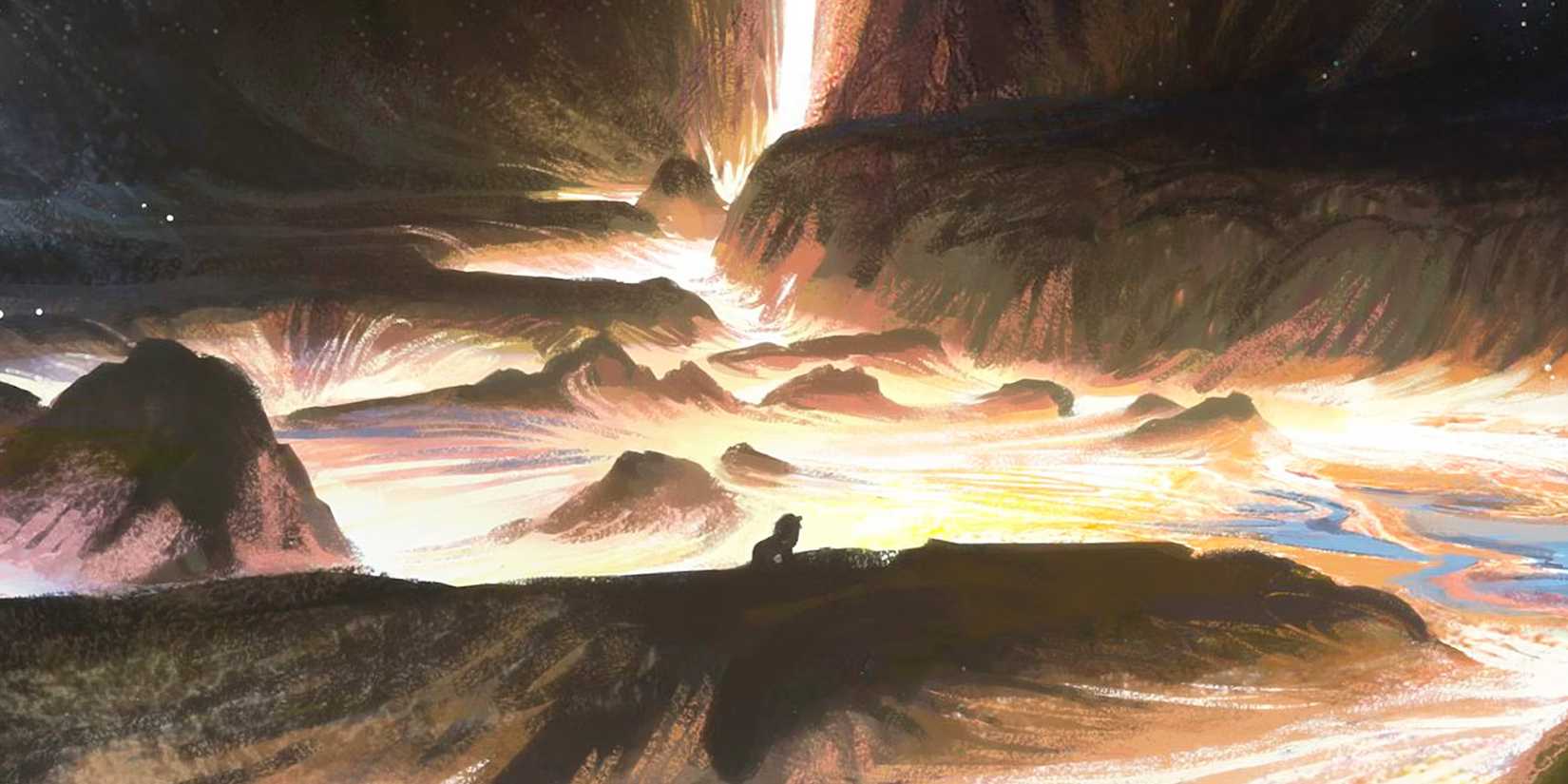
Aslan creating Narnia in Narnia The Magician’s Nephew concept artImage via Empire
Perhaps the most frustrating part of Netflix’s big creative swings with Narnia is just how unnecessary they are. When it was announced that a reboot was in the works, fans were ecstatic at the idea of finally seeing all seven of C.S. Lewis’s iconic fantasy books adapted for the big screen. While the Disney trilogy is still well-regarded by the fandom, it never reached its full potential, adapting less than half of the original series.
Needless to say, Narnia: The Magician’s Nephew didn’t have to take any big creative swings to be successful. It had a pre-built franchise generated over seventy years. Audiences would have been thrilled to check out a by-the-numbers adaptation of the book without any of the random bells and whistles that Greta Gerwig and Netflix have added.
Narnia has always had the potential to be just as big as The Lord of the Rings or Game of Thrones. However, the one difference between these franchises and the upcoming one is that their producers take the source material seriously. Whether true or not, the general consensus from the public is that Gerwig and Netflix have instead taken Lewis’s work and used it as a starting point to tell their own story masked by a familiar IP. Their task come February will be to prove this idea wrong… if it is wrong.
Narnia: The Magician’s Nephew hits theaters on February 12, 2027.
Release Date
February 12, 2027
Director
Greta Gerwig
Writers
Greta Gerwig, C.S. Lewis
Producers
Mark Gordon, Amy Pascal, Rachel O’Connor
Cast

Emma Mackey
Jadis / The White Witch

Meryl Streep
Aslan (voice)

Carey Mulligan
Mabel Kirke

David McKenna
Digory Kirke