
A survey conducted by the trust in May found that more than 95% of respondents supported conversion, while no respondents supported remaining a state school.
Students will take a hands-on approach to learning about things like food growth, harvest and storage.
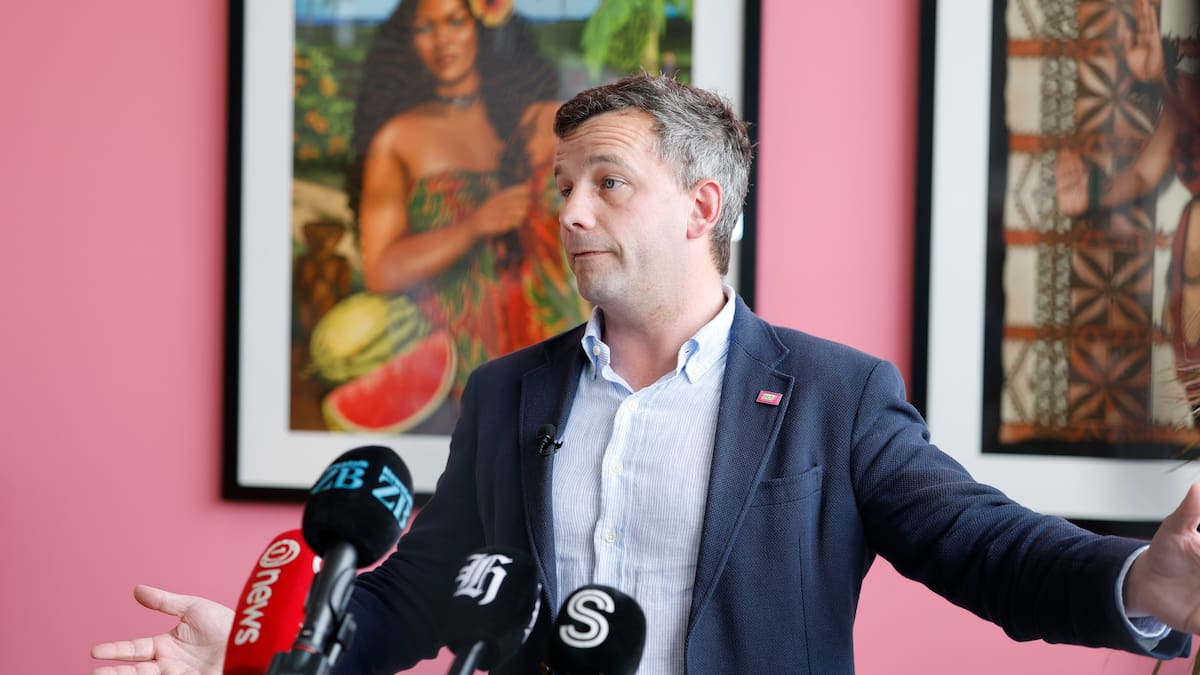
Associate Education Minister David Seymour at a charter school stand-up today. Photo / Michael Craig
“For example, they might build a traditional Māori storehouse raised on posts to keep it safe from pests [pātaka] to store kūmara they’ve grown and harvested to feed community events,” Seymour said.
The model also provides “greater accountability”, he said.
It will continue to use the same testing state schools use and must prove its students are achieving as well as, if not better than, comparable state schools.
A Steiner classroom at Pakaraka School. Photo / Supplied
“For current students and families, very little will change day to day. They’ll keep the same teachers, school leaders and learning spaces, while the school builds further on the teaching approach that is already working for them.”
School principal Patricia Simeon said: “The heart of our kura remains the same.
“This is about creating the conditions for tamariki to thrive in a school environment that honours who they are and how they learn best. Our teaching team shares this community vision, and they’ve taken an active role in shaping it. I’m very excited about what comes next.”