
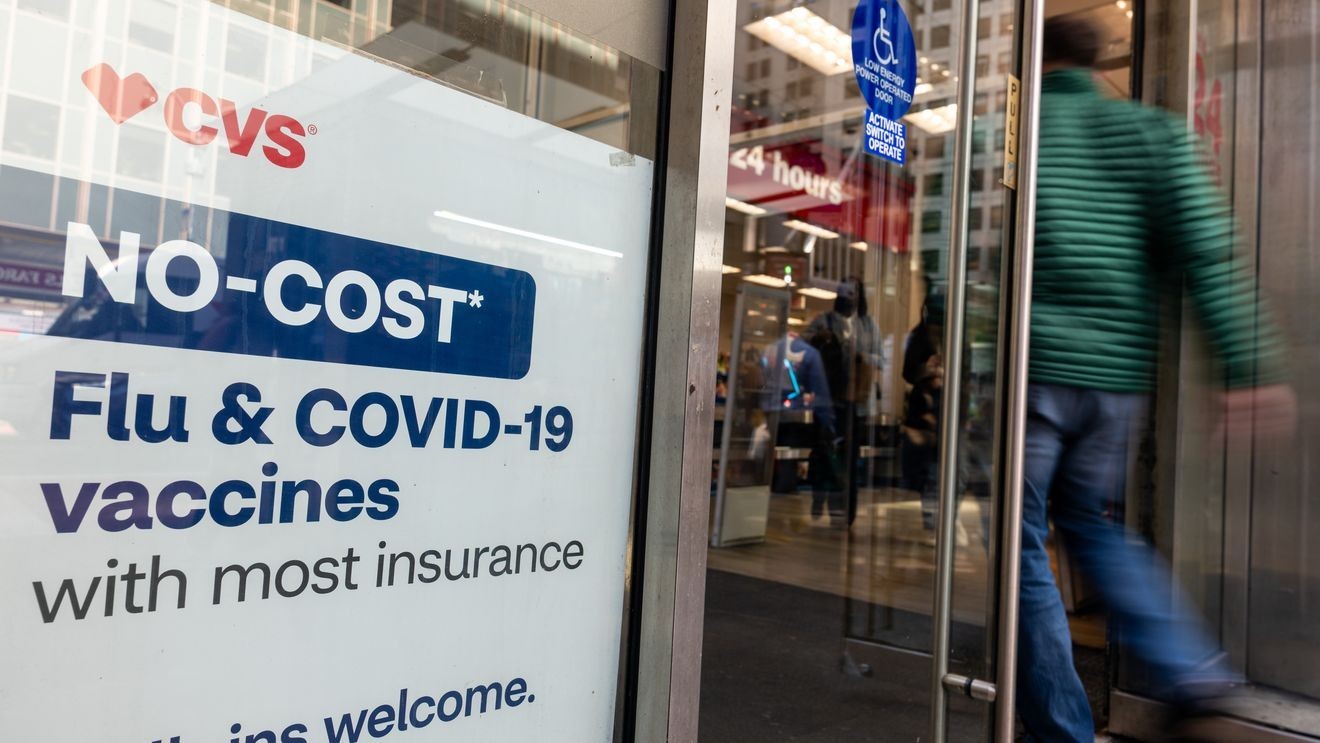
(TNND) — Doctors say now is the time to get vaccinated against the flu, with virus activity still low but picking up in parts of the country.
“And we want to start vaccinating September, October, so that we’re well equipped, so that the vaccines last all the way through May season,” said Dr. Juanita Mora, the national medical spokesperson for the American Lung Association.
The American Lung Association launched its campaign to get people vaccinated before the worst of respiratory disease season kicks in.
The Centers for Disease Control and Prevention’s outlook calls for a moderate flu season, comparable to last year.
The CDC’s latest report shows seasonal flu activity is still low, though it warned that flu activity is increasing in many parts of the country. And a report from Epic Research found that flu rates got off to their earliest start in the last five years.
“We are very early in the influenza season,” said Dr. Yuan-Po Tu, the medical director for infectious disease and outbreak response at Optum Care Washington. “What’s unusual about this season is how early it has taken off, especially on the West Coast.”
Tu said his organization, north of Seattle, recorded a “really high” 29% positive test rate on 282 suspected flu cases last week.
“The heavy hitters, the illnesses that cause the most hospitalizations and medical visits and deaths, are the combination of influenza, COVID and RSV,” Tu said. “So, the good news is that we haven’t seen much RSV this season yet. We’re expecting it to show up later. The bad news is that we’re dealing with both a combination of early onset of influenza, which is rapidly rising, and a moderate amount of COVID, at least on the West Coast.”
Mora said what’s expected to be a moderate flu season could take a turn for the worse if people let their guard down on vaccinations. About half of children and a little under half of adults got the flu shot last season, according to CDC data.
And Tu said even moderate flu seasons, along with other respiratory diseases, can stress hospitals.
The American Lung Association said respiratory viruses cause hundreds of thousands of hospitalizations each year, including 390,000 hospitalizations and 24,000 deaths last flu season.
The American Lung Association said flu shots are recommended for everyone 6 months and older.
It said people should talk to their health care providers about COVID-19 vaccines for anyone 6 months and older.
Mora said both the flu and COVID shots should be taken annually.
The American Lung Association said a single RSV, respiratory syncytial virus, vaccine is recommended for adults 75 and older if they haven’t already received one. The same applies for adults 50 to 74 who are at an increased risk due to an underlying health condition, such as chronic lung or heart disease.
The American Academy of Pediatrics recommends an RSV antibody immunization for infants younger than 8 months entering their first RSV season, unless they’ve already been protected via a maternal vaccination during pregnancy. The AAP also recommends a vaccination for high-risk children ages 8 to 19 months entering their second season.
“Vaccines are always the best way to help decrease disease,” Tu said. “It doesn’t necessarily prevent infection, but decreases your risk of ending up in the hospital, in the emergency room, making your diabetes or heart failure or underlying chronic health conditions worse. And it also prevents deaths. And so, although the vaccine is not perfect, it’s your best defense, along with doing the regular things, increasing your ventilation, wearing a mask, washing your hands, etc.”
Mora said people should seek emergency care if they experience breathing problems during the flu, such as shortness of breath or wheezing.
She warned people to also watch out for signs of dehydration during the flu, which could include fewer wet diapers in babies.