

The City of Ottawa is looking for new ways to attract family doctors, including hiring a new recruitment ambassador.
A staff report heading to the city’s finance and corporate services committee next week outlines a recruitment and retention strategy aimed at making Ottawa a more attractive place for family doctors to settle down.
The report says the city’s shortage of primary care providers has reached a “peak,” with 165,000 residents reported as “unattached” in 2022 — a number staff now believe to be higher.
To help fill that gap, staff estimate Ottawa needs roughly 270 more family doctors, not including upcoming retirements.
“We see that other municipalities are getting into the game and they are successfully recruiting doctors to not only come practise, but to stay,” said Rideau-Vanier Coun. Stéphanie Pante, who called for staff to report back in the spring.
“We want to make sure as our city is growing that we are in lockstep with those municipalities.”
Eyeing international recruitment
The strategy outlined in the report includes creating a new ambassador position to liaise with the Eastern Ontario Physician Recruitment Alliance (EOPRA), a not-for-profit that works with 16 other communities to attract doctors.
The organization specializes in international recruitment, something Plante says Ottawa wants to get in on.
“For example, we do not have enough physicians who speak French in my area,” she said. “How can we help those populations get the help they need in the language that they speak?”
EOPRA co-chair Chantal van Parys said the amenities and lifestyle available in Ottawa should make it an attractive option.
“Looking at internationally trained physicians who are fully qualified to practise here … Ottawa and everything that Ottawa has to offer will really benefit them,” she said.
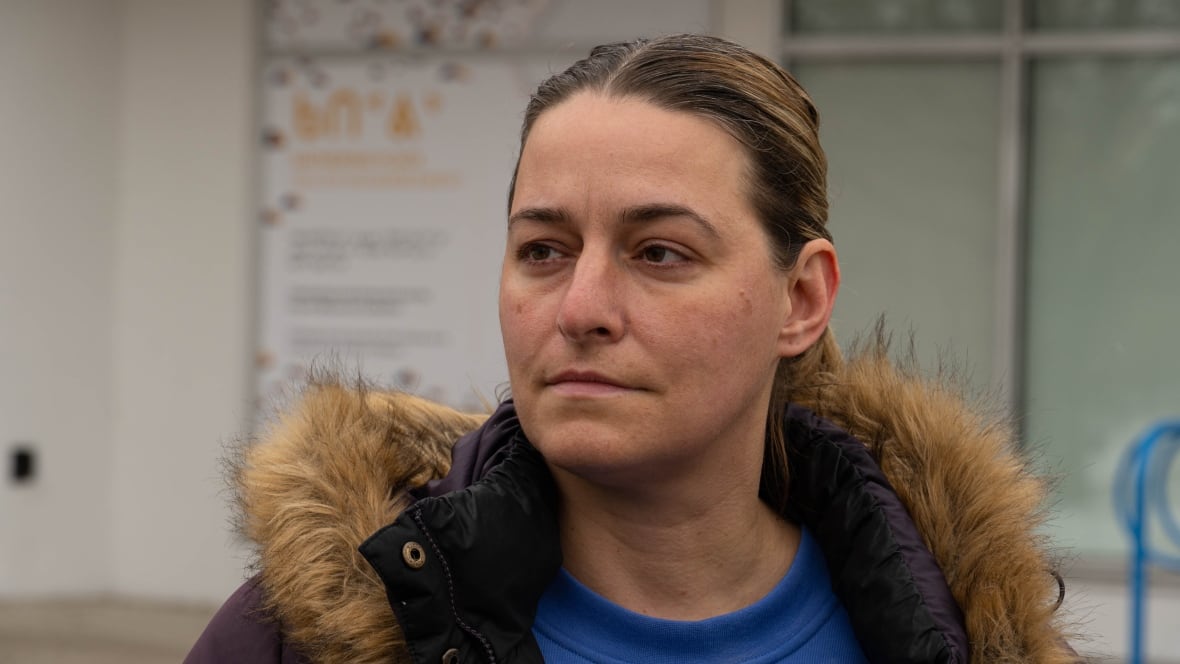 Rideau-Vanier Coun. Stéphanie Plante says Ottawa must be ‘in lockstep’ with other municipalities when it comes to recruiting family doctors. (Jean Delisle/CBC)
Van Parys said joining the alliance will take a lot of the behind-the-scenes work off Ottawa’s plate, allowing the city to benefit “from the shared resources, some of our experience, some of the pitfalls in the immigration process.”
The city report also plans to look for ways to support new non-profit medical clinics in underserved areas by offering land, space or help with capital costs.
Other initiatives listed in the report include:
Creating a centralized database of local physician and nurse practitioner vacancies. Assisting doctors with Ontario’s application process to establish new clinics or expand existing ones. Working with Ottawa Public Health and local health teams to improve access for equity-seeking groups. Reviewing city policies that require medical sign-off for some services, to reduce the administrative work of doctors. Ottawa’s unique challenges
The report says provincial policy excludes Ottawa from being officially considered an underserviced area, but Plante said that couldn’t be further from the truth.
“The reality is, we are getting people from the 613 area codes like Brockville, Prescott, Russell. We know that there’s people from the North who come down here,” she said. “We want to make sure that our health-care system can keep up with this pace.”
The report also points to barriers preventing doctors in different neighbourhoods or nearby rural areas from forming partnerships if their clinics are more than five kilometres apart.
City staff said easing those rules could make it easier to provide care in rural communities where residents may only have access to a single family doctor.
The report goes to Ottawa’s finance and corporate services committee on Oct. 14, before heading to full council for final approval.