
The Department of Internal Affairs (DIA) is setting up the regulated market, with an estimated value of $1.3 billion annually, and this week announced the results of an auction which set the cost of 15 online casino licences at $15 million each.
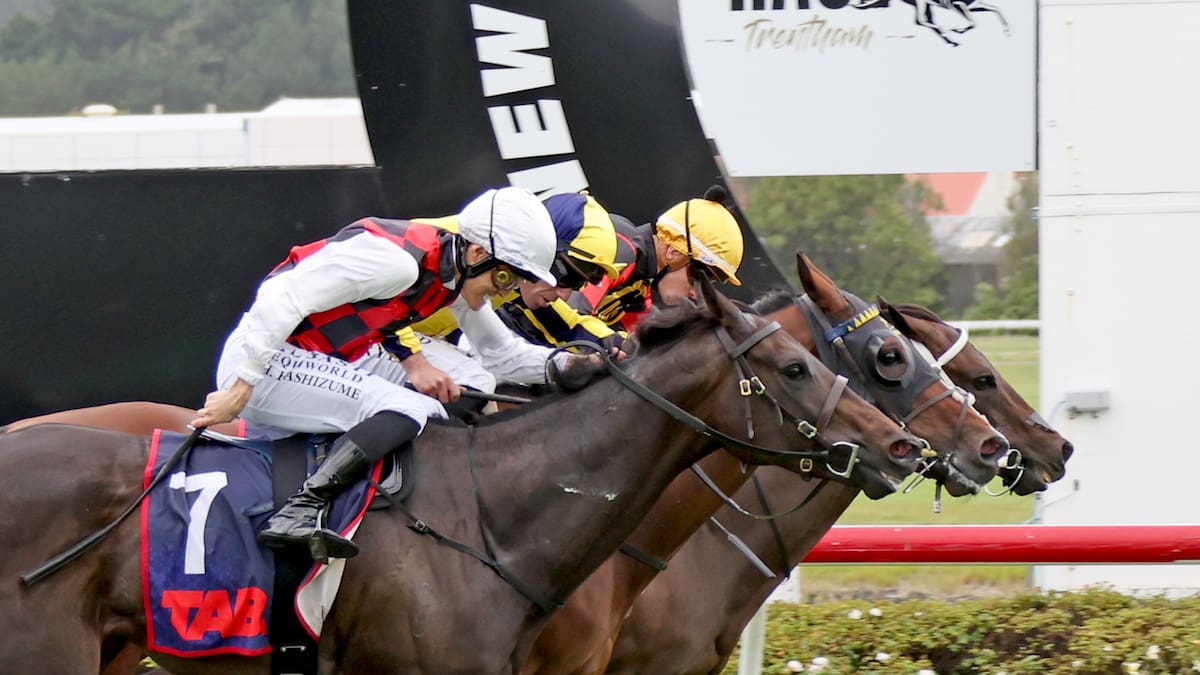
Racing Minister Winston Peters previously ruled out allowing the TAB to participate in the online casino business but has since changed his tune. Photo / Mark Mitchell
Auckland-based SkyCity Entertainment Group, US-based Super Group and less-known offshore operator Rock Swift Group all won the right to apply for two licences each.
Super Group, which operates the Betway and Spin brands, is thought to be among the largest of the current operators in New Zealand’s online casino grey market.
The other companies to win rights to apply for licences are Christchurch Online NZ, One Casino, Rush Entertainment, Skill On Net and Stake.
All have been cleared to apply for a single licence each – each licence covers a single brand.
Christchurch Online is connected to Christchurch Casino, now Australian-owned.
The licences will run for three years, with a renewal option for a five-year extension at no additional charge.
Most observers agree that earning the right to apply for licences is likely the largest hurdle in entering the regulated market, though successful bidders must now apply formally for licences and undergo regulatory assessment.
Final awards will be confirmed early in 2027 and the new regime is set to come into effect in July.
NZX-traded SkyCity has won the right to apply for two of the Government’s 15 licences to operate online casinos. Photo / NZME
The surprise appearance of TAB
The TAB earned one right to apply for an online casino licence while Entain earned two, however the pair have a partnership that would cover all three licences.
In a written statement, the TAB confirmed that it will work in a “new online partnering arrangement with its existing wagering partner Entain, approved by the Minister for Racing [Winston Peters] under the Racing Industry Act”.
CEO Nick Roberts said “the auction outcome and the minister’s approval of the partnering arrangement marked a welcome step forward for TAB NZ and one that could strengthen consumer protection in New Zealand’s online casino market”.
Roberts emphasised that minimising harm is part of TAB’s statutory purpose and that the entity brings “local accountability” to the partnership with Entain.
The financial terms of the partnership have not been released.
It’s understood that Entain brings both financial heft, technology and expertise.
Spokesman Matt Smith said the auction results are a milestone and the company hopes to license its BlackRush and Foxy brands.
Internal Affairs Minister Brook van Velden has previously said that the Government has no business running online casinos.
Asked what changed her mind, she said: “I personally don’t believe that [the] Government should be involved in operating casino gambling, however, decisions on online casino licences are made independently by the Secretary for Internal Affairs. The Minister of Internal Affairs does not make those licensing decisions.”
Last year, Racing Minister Winston Peters told RNZ that he would not make the necessary change to the Racing Industry Act 2020 to allow TAB to enter the casino business.
Asked this week by the Herald to explain the change of heart, Peters’ spokesman John Tulloch said Peters was subsequently advised by DIA that there were no statutory barriers to TAB applying for an online casino licence.
Asked previously about allowing TAB NZ to run online casinos, Internal Affairs Minister Brooke van Velden said that “the Government has no business running online casinos”. Photo / NZME
Tulloch said Peters had no role in TAB’s efforts to secure an online casino licence, however, he did approve, under a provision of the Racing Industry Act 2020, a partnering arrangement between TAB and Entain, which would allow Entain to operate an online casino for TAB.
“The minister was satisfied the partnership could create an additional revenue stream for TAB NZ, thereby strengthening the racing industry’s long-term financial sustainability,” he said.
Racing industry legislation was amended last year to extend the TAB’s land-based monopoly on sport and racing betting into the online market.
Both Entain and the TAB provided the Herald with written statements.
Both declined interviews. Entain’s Matt Smith cited sensitivity around the ongoing application process.
Super Group’s spokesman Alan Alger also declined to speak to the Herald before the licence application process is complete.
SkyCity expects a fight for market share
SkyCity spokesman Steve Pettigrew told the Herald: “you can expect that companies will be looking to grow their market share in the early stages of a regulated market”.
He couldn’t immediately say what level of investment the company intends to make in its online offering and in advertising.
Like many of the companies that have secured rights, NZX-traded SkyCity already operates an online casino.
Under the current rules, offshore operators can sell to New Zealanders but are prohibited from basing themselves here and from marketing and advertising.
They are subject to a New Zealand-levied gambling tax and GST.
From December 1, the new rules will prohibit all online casino operators which have not applied for one of the new licences from selling in New Zealand.
SkyCity currently operates SkyCityCasino.com, based in Malta, and has physical casinos in Auckland, Queenstown, Hamilton and Adelaide.
New Zealand’s online casino market has an estimated value of $1.3 billion.
Analysis this week by Forsyth Barr indicated that SkyCity has only a small slice of the current New Zealand online market, a weak starting point for battling its way to a top spot.
The analysis also painted only a very muted opportunity for the company through the online market, warning that returns in the near and medium term are unlikely to outstrip the cost of capital.
Cross-selling and cross-advertising between gambling platforms will be prohibited and SkyCity will not be allowed to promote its online offerings within its physical casinos, for example.
The safeguards
Marketing and advertising will be a key difference for the regulated market. For New Zealanders who aren’t punters themselves, it is the means by which most are likely to notice the new regime.
The terms of the new licences will require operators to make specific provisions to reduce the harmful effects of gambling, including to exclude problem gamblers and limit inducements and loyalty schemes.
An industry levy will provide for specific harm reduction efforts and 4% of gross revenues will flow to community organisations and amateur sport, a provision that was added after the groups applied considerable pressure last year.
The DIA will regulate the sector using the likes of takedown notices, formal warnings, enforceable undertakings and penalties of up to $5 million for serious or persistent breaches.
Despite that, the changes are being met with considerable trepidation from those who work on gambling’s darker side.
Andree Froude, the principal adviser advocacy and engagement at the Problem Gambling Foundation, said she is concerned that while the new rules look beefier, actual enforcement might not be.
She cited recent breaches of New Zealand’s current prohibition on advertising for online casinos and betting, including through betting companies’ use of New Zealand influencers.
In addition, many of the companies currently cleared to apply for licences have breached rules overseas.
Earlier this year, Australian authorities found that Entain broke the country’s gambling self-exclusion rules more than 500 times, opening accounts for and providing wagering services to gamblers registered to the country’s National Self-Exclusion Register.
It also failed to close wagering accounts for customers who had self-excluded, the Australian Communications and Media Authority found.
The Ministry of Health and Health New Zealand Te Whatu Ora figures for the number of Kiwis receiving help for a gambling problem have jumped significantly in recent years, driven in large measure by the ease of online access.
In 2020, there were 551 people who cited online gambling as the primary form of gambling they were seeking help with. In 2025, the figure was up to 1426.
It remains to be seen whether regulation will curb or exacerbate the problem.
This story was updated to add comments from Racing Minister Winston Peters.
Stay ahead with the latest market moves, corporate updates, and economic insights by subscribing to our Business newsletter – your essential weekly round-up of all the business news you need.