
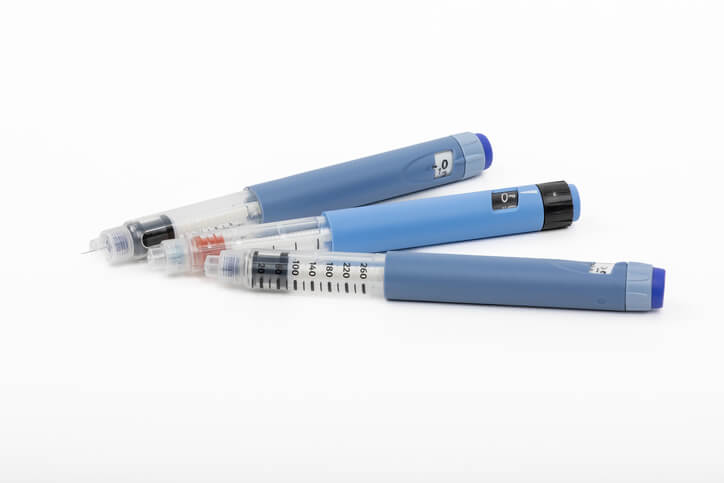
Ozempic can cause common stomach-related side effects, and it also has rare but serious risks that patients should know about.
Most common side effect: Nausea (15%-20% of patients, depending on dosage).
Other common side effects: Diarrhea, stomach pain, vomiting, constipation (often worse when increasing dose, may improve as body adjusts).
Common side effects often occur with dosage increases and typically subside within several weeks.
Rare but serious risks include: Pancreatitis, kidney problems, severe allergic reactions, delayed stomach emptying and possible thyroid C-cell tumors.
Additional concern: Studies have linked a rare, sudden vision loss condition called NAION (non-arteritic anterior ischemic optic neuropathy) to Ozempic.
Latest Ozempic Side Effects Information
As of October 2026, the FDA found gastrointestinal disorders were the most reported side effect of Ozempic. The most common side effect was nausea. Constipation and diarrhea are also common.
FDA Adverse Event Reports for Ozempic Side EffectsTotal cases reported51,186Serious cases (including deaths)24,642Deaths718
Disclaimer: Reports sent to the FDA don’t necessarily mean the drug caused an adverse event. Consult a health care professional before stopping or changing medication.
New Ozempic Side Effect Updates
On July 3, 2024, researchers published a study in JAMA Ophthalmology reporting that patients with Type 2 diabetes or who were overweight and took semaglutide-containing medications had significantly higher risks for developing non-arteritic anterior ischemic optic neuropathy (NAION).
NAION occurs when blood flow to the optic nerve is interrupted or reduced, leading to vision loss in rare cases.
The FDA has investigated reports of hair loss and suicidal thoughts linked to Ozempic. On Jan. 11, 2024, the FDA released a safety communication informing the public that the agency hasn’t found a connection between Ozempic or Wegovy and suicidal thoughts.
As of May 2026, the FDA Adverse Event Monitoring System (AEMS) showed 659 reports of alopecia (hair loss) and 389 reports of suicidal ideation.
Common Ozempic Side Effects
Common Ozempic side effects include:
Nausea (15.8%)
Diarrhea (8.5%)
Abdominal pain (7.3%)
Constipation (5%)
Vomiting (5%)
In trials studying Ozempic’s effects on Type 2 diabetes, researchers engaged a diverse group of participants. This group included 262 individuals who got a placebo. It also had 260 who received a 0.5 mg dose of Ozempic, and 261 who got a 1 mg dose.
Patients usually experience side effects while gradually increasing the drug’s dose. This process is called dose escalation. In trials, 15.8% of those taking 0.5 mg doses reported nausea. This was 20.3% for those on 1 mg doses.

“The most common side effects of [Ozempic and other GLP-1] medications are gastrointestinal, including nausea, vomiting, diarrhea or constipation. Patients may also experience fatigue, headaches or dizziness. We can help patients prevent these side effects through appropriate counseling.”
How Long Do Ozempic Side Effects Last?
Common Ozempic side effects typically last only a few days to a few weeks and usually improve as your body adjusts to the medicine. If you stop taking Ozempic, some side effects can last for several weeks, especially if you were on a high 2 mg dose, while the drug leaves your system.
“It was a shock to my system. I had a lot of nausea and a lot of throwing up initially. I would take my shot, and then a couple of hours later, I’d be over the toilet. For me, that lasted about two weeks,” Stephan T., a patient who used Ozempic for Type 2 diabetes and is omitting his last name for privacy reasons, told Drugwatch.
Ozempic Face and Ozempic Neck
Some people using semaglutide for weight loss may get sagging skin on their face, neck or buttocks. Online, this is commonly called Ozempic face, Ozempic neck and even Ozempic butt.
Weight loss experts say that losing weight too fast can cause Ozempic face and neck. It can also result in muscle loss.
“If you lose muscle because you’re not having your body composition monitored, that’s a possibility,” Dr. Sue Decotiis, a triple board-certified medical weight loss physician based in New York City, told Drugwatch. “Typically, people with Ozempic face and Ozempic neck have probably lost too much weight. The skin is sagging around the face and the neck.”
It takes time for skin to recoil. Some loose skin will likely remain after significant weight loss.
Decotiis recommends that a weight loss physician monitor your progress. This ensures a steady and sustainable weight loss pace.
Serious Ozempic Side Effects
Ozempic can cause rare but serious side effects. These include pancreatitis, allergic reactions and kidney issues. There are also other severe but uncommon complications. The drug has an FDA boxed warning for thyroid C-cell tumors, medullary thyroid carcinoma and multiple endocrine neoplasia syndrome type 2 (MEN 2).
Serious Ozempic Side Effects
Acute gallbladder disease
Acute kidney injury
Allergic reactions
Diabetic retinopathy
Gastroparesis
Hypoglycemia (when used with insulin or sulfonylurea)
Increased risk of thyroid tumors
Pancreatitis
Some people may develop immunity to Ozempic. In clinical trials, about 1% of users developed antibodies against Ozempic. These can reduce the drug’s effectiveness over time.
According to Decotiis, very few of her patients have had to discontinue Ozempic because of severe side effects. She added that many of them were dehydrated and felt better after drinking more water.
Dehydration related to Ozempic is also often the cause of constipation. Drinking more fluids helps prevent acute kidney injury, fatigue and constipation in patients taking Ozempic.
Ozempic and Gastroparesis
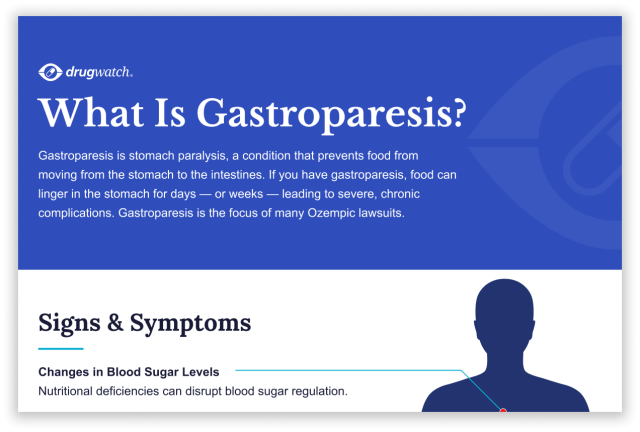
Ozempic gastroparesis, also known as stomach paralysis, occurs when the stomach cannot empty properly. Some people have developed this condition after taking Ozempic, as GLP-1 drugs slow stomach emptying to help control blood sugar.
A 2023 JAMA study found that people using GLP-1 drugs had a higher risk of gastroparesis and bowel obstruction compared to those taking bupropion-naltrexone.
“There are some publicly available clinical trials, observational studies and case reports showing an association between gastroparesis or persistent vomiting and Ozempic and these types of drugs,” Jonathan Sedgh, an attorney with Morgan & Morgan, told Drugwatch.
Dee, who is using a pseudonym to protect her privacy, told Drugwatch that she suffered from a partial bowel blockage after taking Ozempic. She went to the ER several times and had to stay in the hospital a few days because of the pain and vomiting before imaging tests found the problem. Her doctor discontinued her Ozempic prescription after he learned it could cause symptoms like Dee’s.
“When I have my attacks, I’m in a lot of pain, and I can’t hold anything down,” Dee said.

0:58
What to Do If You Have Ozempic-Related Gastroparesis
View Transcript
If an individual was taking one of these drugs and feels they may have been injured, my advice would be go to see your physician first to see if there is a diagnosis of gastroparesis. Another thing that is going to be important in this case is that diagnosis needs to come after what is called stomach emptying test. It can’t be from a differential diagnosis where the doctor says, well, it looks like that’s what’s going on with you. It’s a very specific test that it appears that the judge is going to require in this particular litigation. If after consulting with your physician, it appears that you have that injury, I would consult with an attorney because I think that case would qualify for this litigation.
AEMS data published in May 2026 includes 1,003 reports of intestinal obstruction and 3,168 of impaired gastric emptying.
EXPAND
Ozempic and Sudden Vision Loss (NAION)
Research since 2024 suggests a possible link between semaglutide (Ozempic’s active ingredient) and a type of sudden vision loss called nonarteritic anterior ischemic optic neuropathy (NAION). NAION is a rare, typically permanent condition that causes sudden, painless vision loss. The first study, published in JAMA Ophthalmology in July 2024 by researchers at Mass Eye and Ear and Harvard Medical School, found an increased rate of NAION among people taking semaglutide.
People may experience NAION after waking up. It often affects only one eye and may cause blurred vision in part of your field of vision.
“There’s essentially no warning signs. It’s just a very sudden loss of vision,” attorney Ellen Relkin told Drugwatch, based on what her clients have told her.
Relkin is a partner and the chair of the Drug and Medical Device department at Weitz & Luxenberg. She’s also the court-appointed co-lead counsel in the New Jersey semaglutide litigation, in which plaintiffs sue Novo Nordisk for NAION injuries they attribute to the company’s semaglutide medications.
When To Seek Medical Attention
Ozempic has an FDA boxed warning for potential thyroid tumors or cancers. See a doctor immediately if you develop neck swelling, a lump, hoarseness, trouble swallowing or shortness of breath. Do not take Ozempic if you or your family have a history of medullary thyroid cancer or multiple endocrine neoplasia type 2.
Ozempic may also cause side effects that are signs of other severe problems that require medical attention right away.
When to see a doctor right away for Ozempic side effects:
Hypoglycemia with symptoms such as shaking, fast heartbeat, sweating, nervousness, hunger, dizziness, irritability or confusion.
Serious allergic reaction with symptoms that include swelling of the throat, tongue, lips or face. This may include problems breathing, a rash, rapid heartbeat or dizziness.
Symptoms of pancreatitis, including severe pain in the abdominal area that won’t go away and may radiate from the abdomen to the back, nausea or vomiting, bloating and fever.
See a doctor if Ozempic side effects persist or interfere with your daily life. Regular monitoring and timely consultation can help to effectively manage these side effects.
“Call your doctor if nausea or diarrhea lasts more than a day or two, if you can’t eat much of anything, if you’re urinating less, or if you feel dizzy standing up. That’s the window where a dose adjustment or a short pause can head off a problem,” according to Dr. Haleem Mohammed, Chief Medical Officer at Gameday Men’s Health.
According to Dr. Mohammed, a dose adjustment or medication pause may help with these side effects.
“Go to the ER for severe abdominal pain, vomiting that won’t stop, being unable to keep fluids down for most of a day, confusion, fainting, chest pain, or signs of heat stroke,” he said.

“There are some publicly available clinical trials, observational studies and case reports showing an association between gastroparesis or persistent vomiting and Ozempic and these types of drugs.”
Weight Loss as an Ozempic Side Effect
Weight loss is a known side effect of Ozempic. While Ozempic is approved by the FDA for treating Type 2 diabetes, it is not meant specifically for weight management. The version of semaglutide made for weight loss is called Wegovy. According to Novo Nordisk, people taking Ozempic lost an average of 9.3 to 14.1 pounds over 40 weeks.
People who take Ozempic for weight loss typically experience similar side effects as those who take the drug for Type 2 diabetes.
How To Manage or Avoid Ozempic Side Effects
If you have side effects that persist or cause trouble, Ozempic’s guidelines suggest talking to your doctor. They may recommend dietary changes or a different medication.
“Smaller, balanced, lower fat and more bland meals can help to prevent the gastrointestinal discomfort often associated with these medications. Proper hydration, moderation of alcohol intake and regular exercise can also help patients acclimate to these medications,” Anton said.
Tips For Managing or Avoiding Ozempic Side Effects
Avoid large, fatty meals and greasy or fried foods
Carefully monitor blood sugar levels to avoid hypoglycemia
Eat bland foods such as rice, crackers or toast
Eat meals that have a high water content, such as soup
Eat more frequent, lighter meals
Eat slowly
Monitor for signs of pancreatitis, retinopathy or thyroid problems
Start with a smaller dose and slowly increase it over time
Stay hydrated by drinking cold drinks such as water or unsweetened iced tea
Take anti-nausea medication
Take the medicine at the same day and time each week with a meal
Some people may suffer chronic side effects from taking Ozempic, mainly gastrointestinal effects. At least 10% of patients who start Ozempic or Wegovy have to stop taking the medication because the side effects don’t improve, Dr. Meera Shah, an endocrinologist at the Mayo Clinic, told CBS News.
Nausea and vomiting side effects may indicate malabsorption of nutrients. These side effects may also affect mood and energy levels. Your doctor may recommend you avoid certain habits and foods that can make you nauseous.
To avoid Ozempic side effects like nausea, eat slowly, monitor your diet or take anti-nausea medication. Side effects are common at first and typically subside gradually.

“Ozempic is a very effective medication to help treat Type 2 diabetes mellitus and promotes weight loss at the same time. However, it can be associated with significant side effects, so taking Ozempic only while under close monitoring with your physician is imperative for safe and effective treatment.”
FDA Warnings and Actions for Ozempic
Ozempic has an FDA boxed warning for thyroid C-cell tumors, medullary thyroid carcinoma, and multiple endocrine neoplasia type 2 (MEN 2). While there have been concerns over the drug leading to suicidal ideation, a preliminary FDA evaluation released in January 2024 failed to find evidence that Ozempic caused suicidal thoughts or tendencies.
Recent Updates to Ozempic’s Label
Oct. 14, 2025: The FDA has updated Ozempic’s warning label to highlight the risk of serious pancreas and stomach problems. The label also says Ozempic is not recommended for people with severe stomach paralysis (gastroparesis).
Jan. 28, 2025: The FDA added warnings about severe gastrointestinal reactions, acute kidney injury linked to dehydration and pancreatitis risks. The update also advises against use in patients with severe gastroparesis and adds new patient counseling guidance on these side effects.
Nov. 1, 2024: The FDA updated Ozempic’s label to warn that slower stomach emptying could increase the risk of food or liquid entering the lungs during surgery or when anesthesia or deep sedation is used. Patients should now let their healthcare providers know if they are taking Ozempic before any planned procedures.
On Sept. 28, 2023, the FDA updated Ozempic’s label. It acknowledged the risk of ileus, a life-threatening intestinal blockage. People have filed Ozempic lawsuits after they suffered gastroparesis (paralyzed stomach), excessive vomiting, intestinal blockages and ileus.
“We’re alleging that the Defendants knew or should have known that these drugs could cause what’s called gastroparesis, ileus and intestinal blockages, and they failed to properly warn the American population about it,” Sedgh said.
Lawsuit Information
Lawsuits are being filed by people who developed severe gastroparesis after using Ozempic.
Is There an Ozempic Recall?
So far, the drug’s makers and the FDA have not announced any recalls associated with Ozempic. However, in December 2023, the FDA seized thousands of units of Ozempic counterfeits.
“The agency advises wholesalers, retail pharmacies, health care practitioners and patients to check the product they have received and not distribute, use, or sell products labeled with lot number NAR0074 and serial number 430834149057 … Some counterfeit products may still be available for purchase,” according to the FDA’s warning.
Frequently Asked Questions About Ozempic Side Effects
What are the worst side effects of Ozempic?
The most serious Ozempic side effects include pancreatitis, gastroparesis (stomach paralysis), acute kidney injury, severe allergic reactions, sudden vision loss and thyroid C-cell tumors. Patients should seek immediate medical care for severe abdominal pain, persistent vomiting, difficulty breathing or changes in urination or sight.
Can Ozempic cause vision loss?
Recent JAMA Ophthalmology studies have linked Ozempic and other semaglutide drugs to NAION, a rare but serious condition that can cause sudden, usually permanent vision loss in one eye. The risk of NAION was over four times higher in patients with diabetes and those who were overweight compared to those on other medications. Patients on Ozempic who experience sudden vision loss should seek emergency medical care.
Are there any side effects of stopping Ozempic?
Stopping Ozempic is generally safe but can cause side effects for several weeks as the drug clears from the body. Patients may also experience weight regain after stopping. Patients should consult their physician before stopping to manage withdrawal effects and weight regain effectively.