
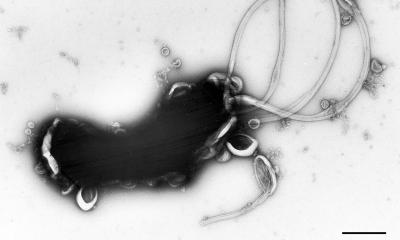
The study also examined the impact of H. pylori eradication on colorectal cancer risk. Although evidence remains limited, existing observational studies indicate that people who received treatment to eliminate H. pylori experienced a lower risk of colorectal cancer after more than 10 years of follow-up. This highlights the importance of early detection and treatment and is consistent with the fact that colorectal cancer typically develops over many years. However, further prospective and interventional studies are required.
The researchers observed that countries with higher H. pylori prevalence tended to have a greater estimated colorectal cancer burden associated with the infection. The Western Pacific region, including China, Mongolia and Vietnam, recorded the highest estimated proportion of colorectal cancer cases linked to H. pylori exposure, estimated at approximately 25%. China had the largest absolute number of colorectal cancer cases potentially associated with the infection.
The study also found that later birth cohorts appeared to carry a proportionally higher H. pylori-related colorectal cancer burden, despite a decline in prevalence. The estimated proportion increased from 9.5% among those born before 1947 to 15% among those born between 1963 and 1977, highlighting the need for further research into how infection, lifestyle and environmental factors may interact to influence cancer risk over time.
Many countries and regions have already introduced population-based H. pylori screening and eradication programmes to reduce gastric cancer risk. Professor Leung said, ‘The findings suggest that these programmes could potentially generate a dual cancer-prevention benefit by reducing the risks of both gastric cancer and colorectal cancer, particularly in areas where H. pylori infection remains highly prevalent and healthcare resources are limited.’
‘Our goal is to provide evidence that informs public health and research priorities and to guide infection-targeted prevention strategies at both global and regional levels, complementing and extending beyond H. pylori eradication efforts to reduce the risk of multiple cancers,’ added Professor Leung.
Source: University of Hong Kong