
Chief Superintendent Rhona Fraser said progress had been made in directing callers towards appropriate care, but admitted police were not always the right service to deal with the vulnerabilities involved.
The issue was raised at Inverclyde Council’s police and fire scrutiny panel by Councillor Robert Moran, who recalled hearing about the scale of mental health-related demand during an earlier visit to a police call centre.
He said: “The Chief Constable said to us they’ll never refuse a phone call and they’ll never refuse help.
“But to me it seems we haven’t moved on since then, there’s not anything specific saying ‘from now on this will happen’.
“I’d like to see something happening in that department, so we really do concentrate police’s time on police work and not dealing with the rest of it.”
Responding to the concerns, Chief Superintendent Fraser said work had been undertaken to assess calls and connect people with suitable support.
However, she acknowledged that further progress was required.
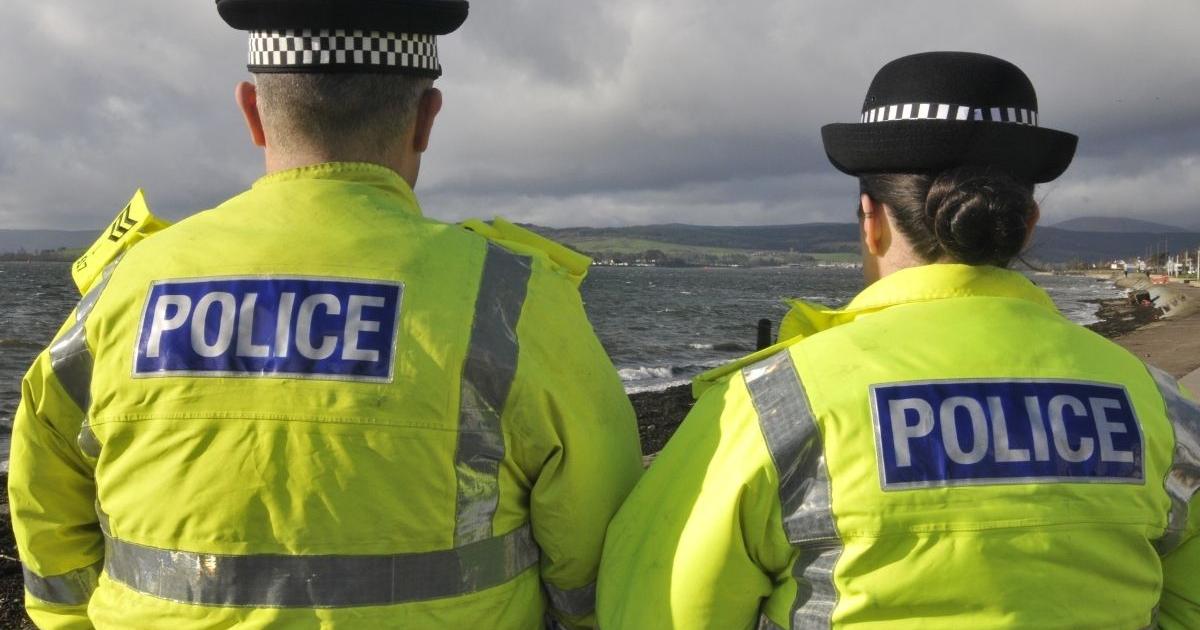
(Image: Police Scotland)
She said: “There have been inroads and progress made, in terms of triaging calls and making sure that individuals get the right care that they deserve.
“However, I think the Chief Constable has been quite clear we have a long way still to go.
“A high percentage of our time is spent responding to calls from people in mental health crisis.
“Often we are the most suitable service when there’s a threat to life, and of course we will immediately respond and help out in those circumstances, but sometimes we’re not.
“We don’t have the training. We don’t have the skillset to best deal with the person with the vulnerability that’s presenting to us.
“There is a bit of work still to be done. There are a number of partners around the table to discuss that.”
The police chief said officers would continue to respond immediately when a person’s life was believed to be at risk.
However, her comments highlighted the continuing pressure placed on frontline policing by incidents in which specialist health or care support may be more appropriate.
Councillor Moran said police were doing a ‘fantastic job’, but argued that greater assistance from health partners could reduce demand on officers and help ensure vulnerable callers spoke to people with the appropriate expertise.