
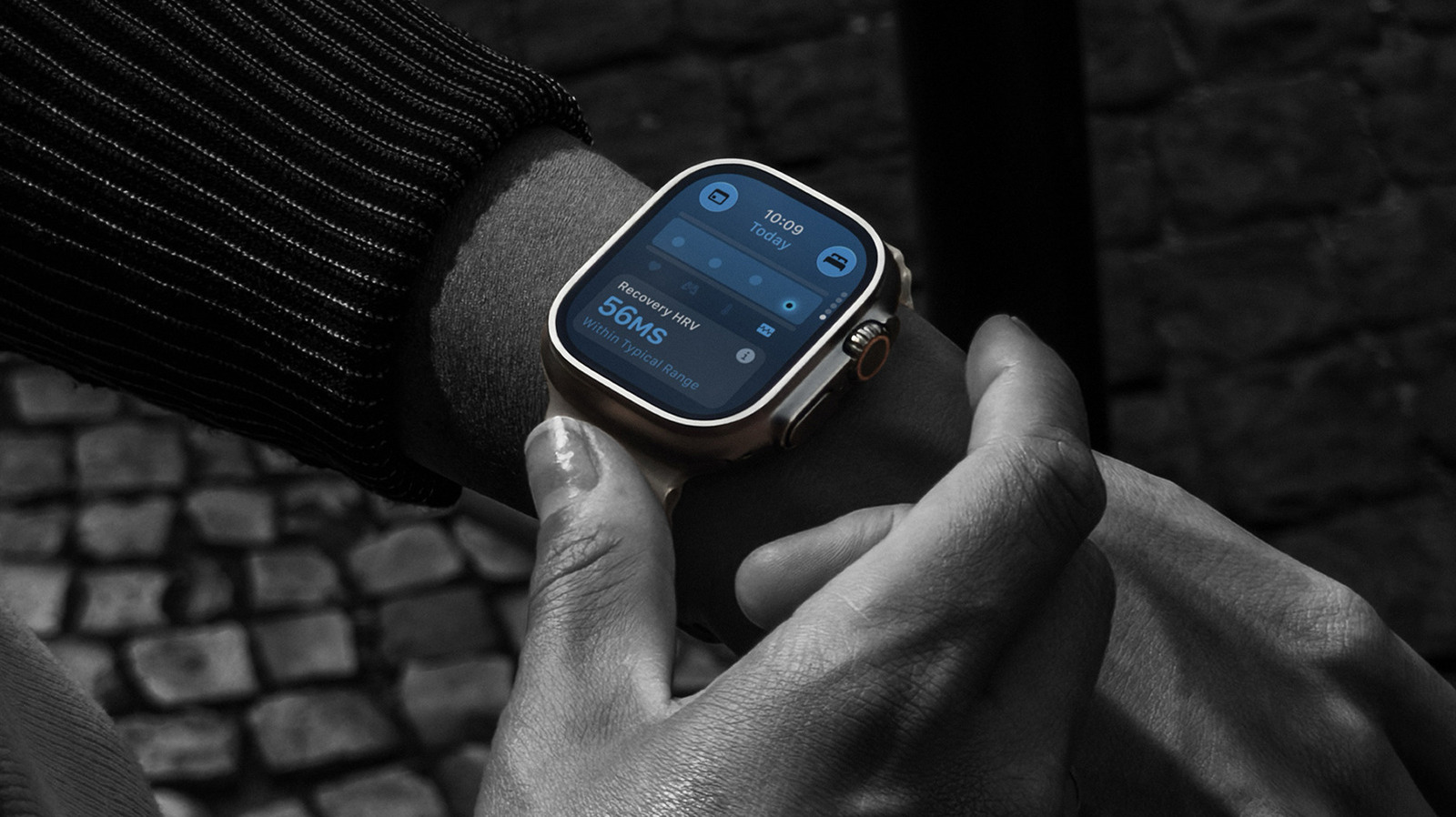
If you’re an iPhone user, the ultimate Apple Watch companion for adventurers is the new Apple Watch Ultra 4. It’s rugged with features like satellite communications capabilities, enhanced GPS and heart rate tracking, an extended workout mode, and the longest battery life of any Apple Watch to date. But if you’re an Android user, you can’t use the Apple Watch Ultra 4 since it only works with iPhones. Thankfully, there are similar watches in the Android as well as brand-agnostic space to consider that afford an analogous experience.
The Samsung Galaxy Watch Ultra 2 (see our Samsung Galaxy Watch Ultra 2 review) is the closest equivalent. While it works best when paired with a Samsung Galaxy phone, unlocking specific features relating to Samsung Health, you can pair it with any Android device. It even bests the Apple Watch Ultra 4 in some ways, notably when it comes to its extreme durability. Beyond that model, there are others you can consider, too.
Samsung Galaxy Watch Ultra 2 vs. Apple Watch Ultra 4
The Samsung Galaxy Watch Ultra 2 offers extreme durability, meeting both IP69K and 10ATM ratings, which means it’s dive ready as well as dust and water resistant and can withstand high-temperature and high-pressure water jets. By comparison, the Apple Watch Ultra 4 meets an IP6X dust tight rating and has a WR100 water-resistance rating, confirming it can be used in up to 100 meters of water and for scuba diving down to 40 meters as an EN13319-compliant device.
The Samsung Galaxy Watch Ultra 2 boasts the Snapdragon Wear Elite chip. The Apple Watch Ultra 4 has the upgraded S11 chip and Health Sensing System, which promises the most accurate heart rate readings of any wearable. The Galaxy Watch centers around a Gemini AI experience, while the Apple Watch’s upgraded Siri AI isn’t yet as robust, but does offer neat features like Audio Recognition.
The Samsung Galaxy Watch Ultra 2 screen is brighter at 5,000 nits of peak brightness compared to 3,000 nits for the Apple Watch Ultra 4. Both offer class-leading battery life at up to 50 hours with the Apple Watch Ultra 4 and 60 hours with the Galaxy Watch Ultra 2. You get Readiness Score, vitals breakdowns, detailed sleep tracking, access to apps, and seamless device integration with both. The Galaxy Watch Ultra 2 adds unique features like antioxidant readings, while both offer sleep apnea detection. So, for an experience as close as possible to the Apple Watch Ultra 4, the Samsung Galaxy Watch Ultra 2 is the equivalent Android option.
Other options to consider
These aren’t the only two rugged smartwatches on the market. The Garmin fenix 9 Pro is dive rated with a 10ATM rating and meets military standards for thermal, shock, and water resistance. It has features like a built-in flashlight, access to offline topographical maps, and advanced metrics for runners and activities like triathlons and backcountry skiing. With similar safety features, its battery can last for up to 10 days, 15 days in low power mode. The Amazfit T-Rex Dual Solar has even more impressive battery life since it can gain a continuous charge from the sun, giving you up to 25 days per charge. It can withstand not just dust and water but also extreme temperatures. You can build run routes right from the watch using pre-loaded maps and even leverage LiveShare location tracking.
Many premium, non-rugged smartwatches in the Android or brand-agnostic space are worth considering, too, even if they aren’t as durable. The Google Pixel Watch 5 has earned IP68 and 5ATM water- and dust-resistance ratings, so while you can’t dive with it, you can swim. It’s loaded with safety features, health tracking and sports modes, Gemini AI, and offers up to 40-hour battery life (72 hours with Battery Saver mode). Plus, it isn’t as expensive. So weigh the pros and cons — if you need something ultra-rugged for outdoor adventures, go with a model like the Samsung Galaxy Watch Ultra 2. If not, consider other options that might be more than enough to meet your needs.