
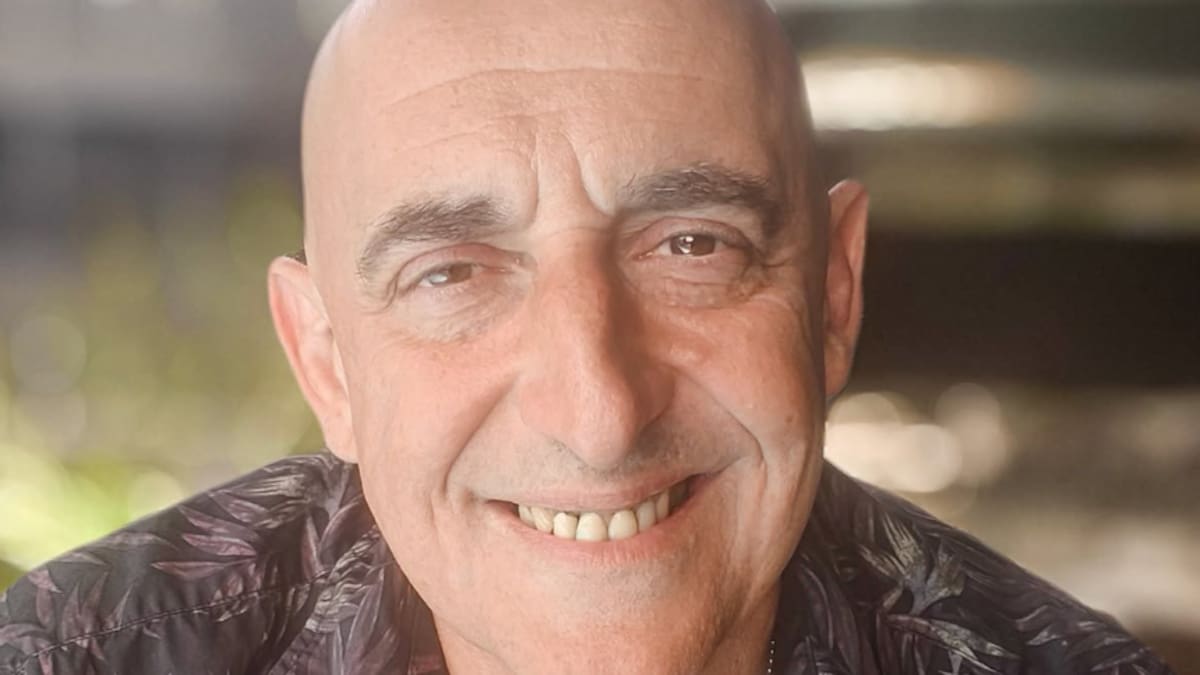
His workplaces included Rotorua Hospital and a healthcare facility which is subject to suppression orders.
The finding says he took the sedative without independent oversight and, even when subject to monitoring by the Medical Council’s Health Committee, did not disclose his use to the committee.
He accepted the conduct amounted to professional misconduct.
He told the tribunal that he used Midazolam “on and off” over about three decades.
Neff’s account was that he used alcohol and Midazolam to self-treat post-traumatic stress disorder and his conduct was connected to long-standing stress, anxiety, fear and insomnia.
He reported that, after the matter came to light, he spoke to surgeons, anaesthetic technicians and the general manager of a healthcare facility he worked at about his alcohol and benzodiazepine usage.
However, he had not disclosed his Midazolam use to the Health Committee during periods when it was monitoring his fitness to practise.
After his use of Midazolam came to light in March 2024, he voluntarily withdrew from practice. He was approved to return to work by the Health Committee, subject to a plan being put in place, but decided to take an extended break.
He returned in September 2025, but has since resigned his Fellowship of the Australian and New Zealand College of Anaesthetists, has not returned to anaesthetic practice, working instead in functional medicine.
This has been subject to conditions approved by the Health Committee, which prohibited him from prescribing or accessing medicines or drugs of potential abuse.
He told the tribunal he was “burned as an anaesthetist”, and that he had let down the close-knit anaesthetic team of which he had been part of.
He said that while he loved his job and believed he was a very good anaesthetist, “there’s no way I can go back to that profession”.
‘Sustained and deliberate’ conduct
The tribunal found that his diversion – taking Midazolam from his workplaces – constituted malpractice.
The tribunal found Neff’s self-medication constituted malpractice given it was sustained and deliberate ”over many years”.
The most serious offending, in the tribunal’s view, was Neff’s lack of disclosure about his Midazolam use.
“The opportunity for a practitioner to disclose to a professional body difficulties of the kind here arising, and thereby to access a supported, peer-based pathway, is vital,” the tribunal’s decision said.
The tribunal found all three aspects of the offending brought discredit to the profession.
In considering the appropriate penalty, aggravating factors included that it occurred intermittently over about 30 years, rather than a single lapse of judgment.
There was also a “fundamental breach of trust involved” and an inherent risk of harm from any doctor self-medicating with sedatives without independent oversight.
The tribunal’s decision also noted Neff’s repeated failure to disclose his use during periods of active Health Committee monitoring.
Mitigating factors were that once his use came to light, Neff was open about it and admitted the charge early, meaning they didn’t have to call liability evidence.
There was no evidence of falsified records, forged prescriptions, or similar dishonest steps. He voluntarily stood down from practice and subsequently removed himself from anaesthesia to an environment with materially less exposure to Midazolam.
Neff had engaged in treatment, appeared currently sober, and had successfully returned to practise functional medicine.
In assessing future risk, the tribunal noted Neff’s evidence about the “shame and guilt” and “compartmentalisation” in his own mind.
He said that Midazolam “was not a recreational drug” but “a means to switch off my brain, to switch off the ongoing stress”.
Dr Stephan Neff.
He accepted, however, that Midazolam would have been “a very inappropriate drug to use for that setting”.
He said that he could not honestly say “this will never happen again” and acknowledged he had “a track record of having failed”.
He also said he had “grown so much” and “laid such a good foundation” that recurrence was, in his assessment, “incredibly unlikely”.
The tribunal said it was significant that Neff accepted the need for ongoing objective monitoring, and told them he had “one more chance to show that I am a good man and a good doctor” and that he would “do whatever it takes” to prove that he was.
Neff had taken “meaningful steps” to change the way he managed stress, anxiety, and addiction risk, including tools such as exercise, breath work and nutrition.
He spoke highly of the Health Committee’s support and said he was “ashamed” he went behind their back.
“The shame and guilt, there are no two ways around that. I’m grateful that I have the opportunity to work with them and get monitored in the future during my working life here, I am very happy with that.”
The tribunal accepted both parties’ submissions that censure and conditions were appropriate, rather than suspension or cancellation of registration.
Neff had removed himself from anaesthetic practice and was subject to an “existing, effective regime of monitoring and restriction administered by the Health Committee”.
He was censured, and the tribunal also imposed conditions on his practice.
He would have to disclose the tribunal’s findings to current and future employers, partners, shareholders in a company conducting medical practise and other professional colleagues in his workplace.
For the next two years, his employment would be subject to Medical Council approval, and he is unable to be a sole charge medical practitioner where he has unsupervised access to any controlled drug or prescription medication of potential abuse.
He will be under Health Committee supervision for the next three years, and was ordered to contribute 15% of the combined Professional Conduct Committee and tribunal costs, estimated at $10,726.89.
Hannah Bartlett is a Tauranga-based Open Justice reporter at NZME. She previously covered court and local government for the Nelson Mail, and before that was a radio reporter at Newstalk ZB.
Join the NZ Herald’s Open Justice team for Case by Case, a video and podcast series examining the disputes and decisions making headlines across New Zealand.