

Listen to this article
Estimated 4 minutes
The audio version of this article is generated by AI-based technology. Mispronunciations can occur. We are working with our partners to continually review and improve the results.
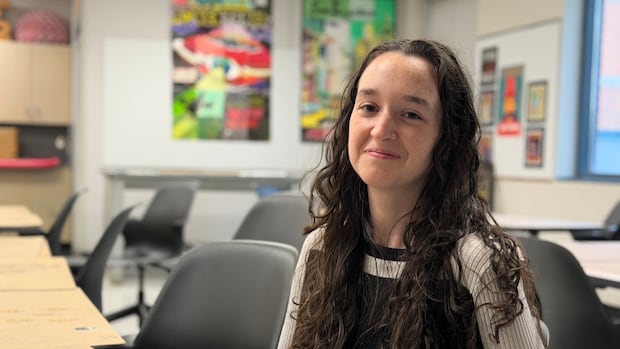
Graphic design student Maria Gallagher keeps a folder on her phone of all the artificial intelligence-generated advertisements that come across her Facebook feed.
It’s not for inspiration, but to prove a point: Gallagher says it’s easy to tell when a post is made with AI.
“They all look the same. They all love the weird, sketchy fonts and random noise to just fill space,” she said.
Gallagher, who is in her final year of the graphic design program at Fanshawe College in London, Ont., says she’s noticed a significant rise in AI-generated graphic design over the past few years.
However, she and some other young graphic artists say they are not worried about AI taking over the industry, in part because they think consumers will lose interest in “untrustworthy” marketing.
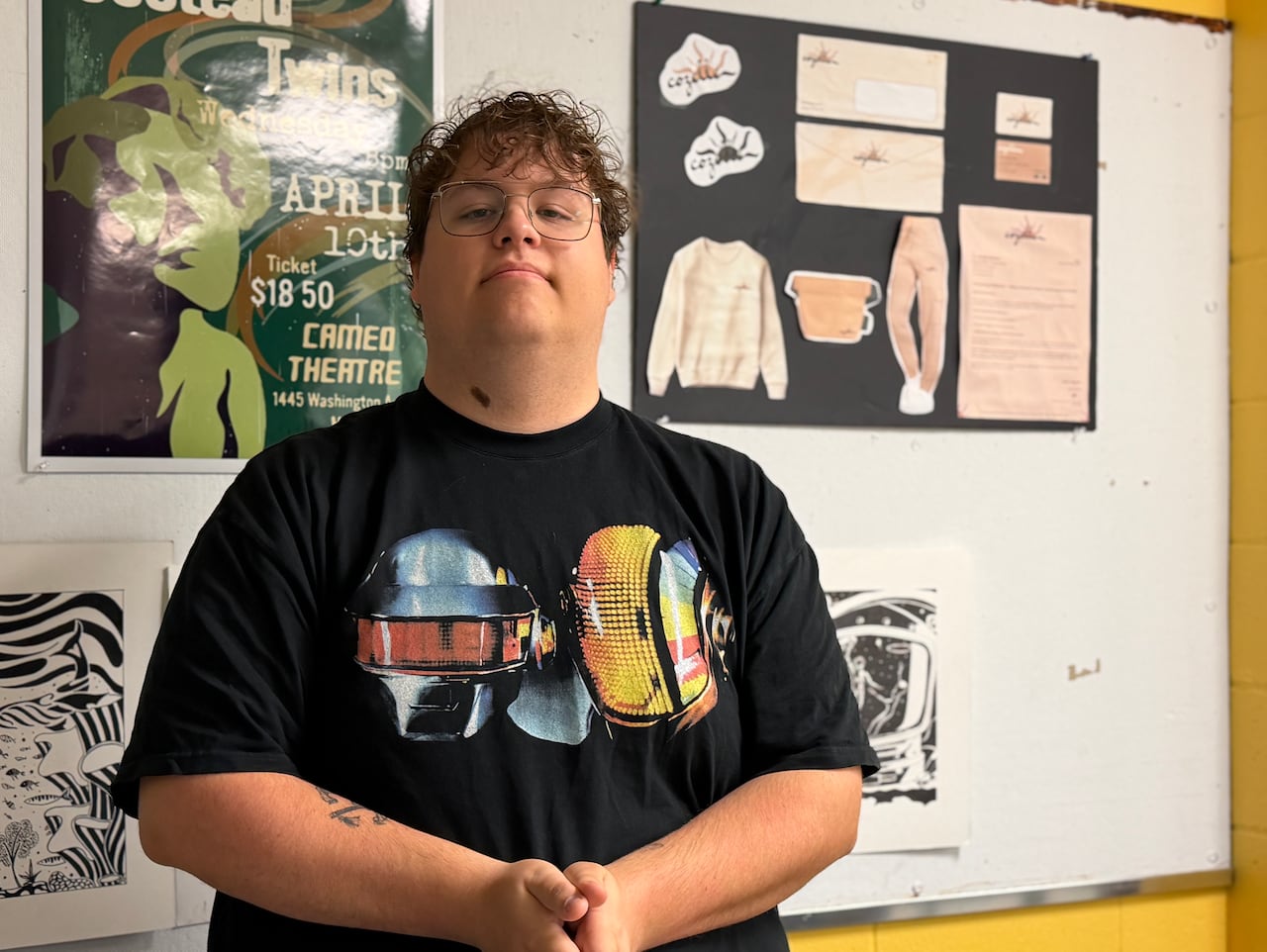
Hunter Zilinek, of Sarnia, Ont., is in his final year of the graphic design program at Fanshawe College and has goals of working in the music industry. (Kendra Seguin/CBC News)
“Why would I trust your business to make a product for me that is good when you’re using stuff like this to take shortcuts for the promotion of your own business,” asked graphic design student Hunter Zilinek, who is from Sarnia, Ont.
Zilinek said he was turned off from buying food at a night market last month because it appeared most vendors used AI-generated marketing.
“I kid you not, every single banner, poster, flyer, whatever was AI generated,” he said.
WATCH | How AI has changed food advertising: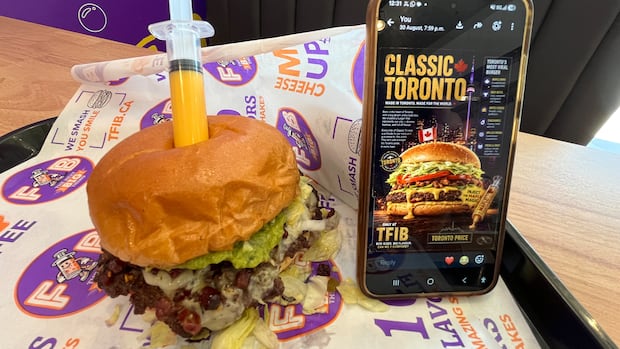
AI food pics on menus leave some customers with a bad taste
More small restaurants are turning to AI instead of professional photographers to generate food pictures for their menus, but the often unrealistic images are starting to turn some customers off.
“I think the cheaper method of [using] AI to promote your business, instead of hiring a graphic designer to make it for you, loses you more money in the long run,” Zilinek said.
Identifying an AI-generated poster
Students told CBC News there are several common design elements that tend to appear in AI-generated advertisements. They mentioned a lack of blank space, no key focal point, ineffective colour schemes and “uncanny” photos.
“It’s not intentional. It’s not thought-through the way a designer is taught to properly express and convey an idea,” Gallagher said.
Her classmate, Gulnaz Yekpinova, says common AI-generated poster styles often go against what artists are taught.
“I think there’s a lack of hierarchy in the posters, just because [AI] tries to combine everything,” Yekpinova said. “That’s why it’s called slop.”
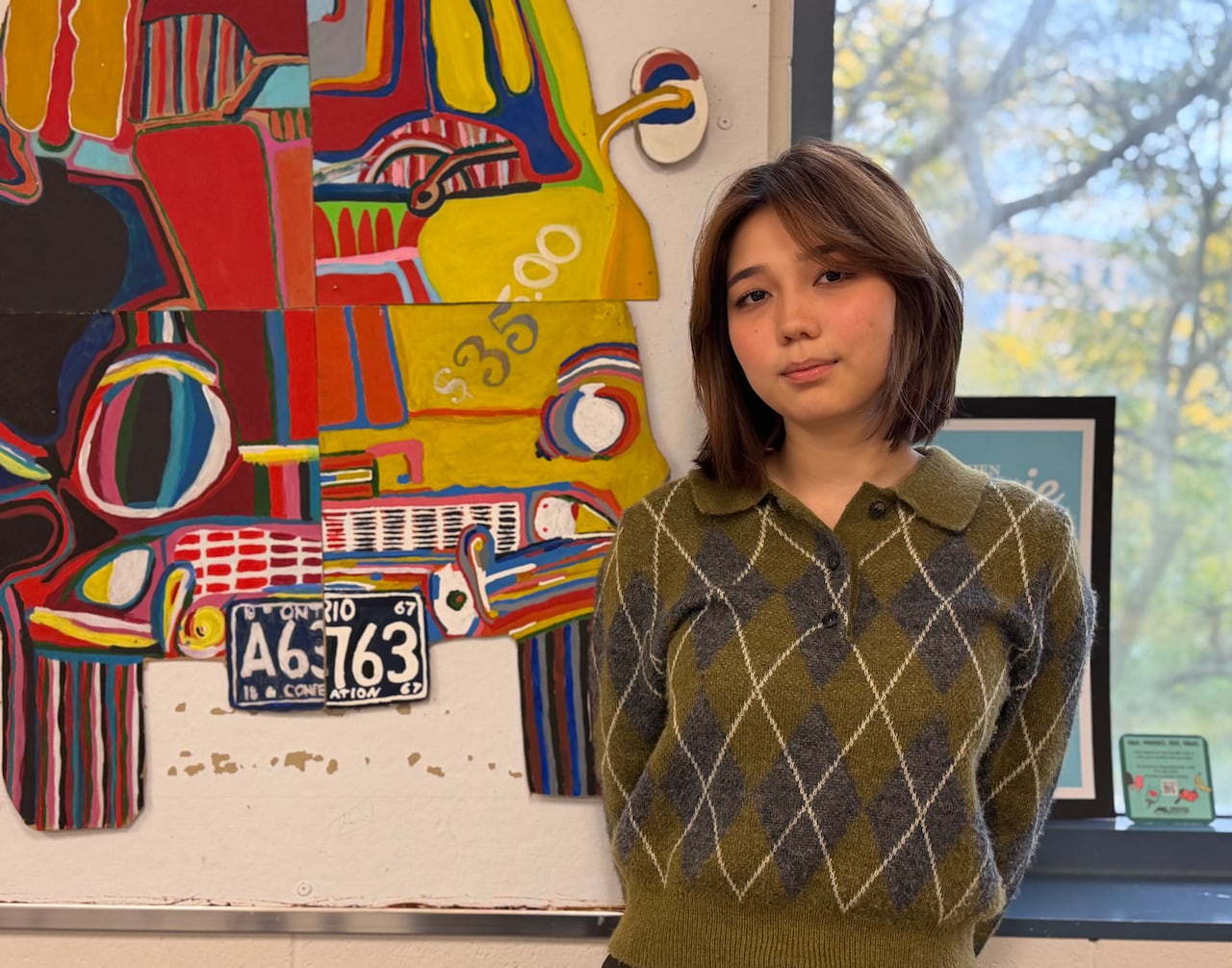
Graphic design student Gulnaz Yekpinova, who is originally from Kazakhstan, says AI-generated posters often do not follow the design rules that artists are taught in school. (Kendra Seguin/CBC News)
Fanshawe graphic design program coordinator Nicola McCrave said it’s only a matter of time until even people with an untrained eye will begin to notice when advertisements are AI-generated.
“People will start to see through the veil,” she said.
That could have an impact on the big brands and small businesses using AI now, McCrave said.
“The way [advertisements] are being designed is so similar that it’s becoming a sea of sameness … it’s so mediocre and there’s no prestige to it,” she explained. “When you think about marketing, elevating a brand and buying something because it’s unique, [AI advertisements] are lacking all of that.”
‘A tool, not a competitor’
While she admits there are unknowns, McCrave said she thinks human artwork can cut through this wave of AI marketing — and not just because people might turn against the technology.
“One of the key things that AI cannot do currently is effectively understand emotion, empathy, nuance and culture. Those are some of the things that we bake into what we’re teaching students,” she said.
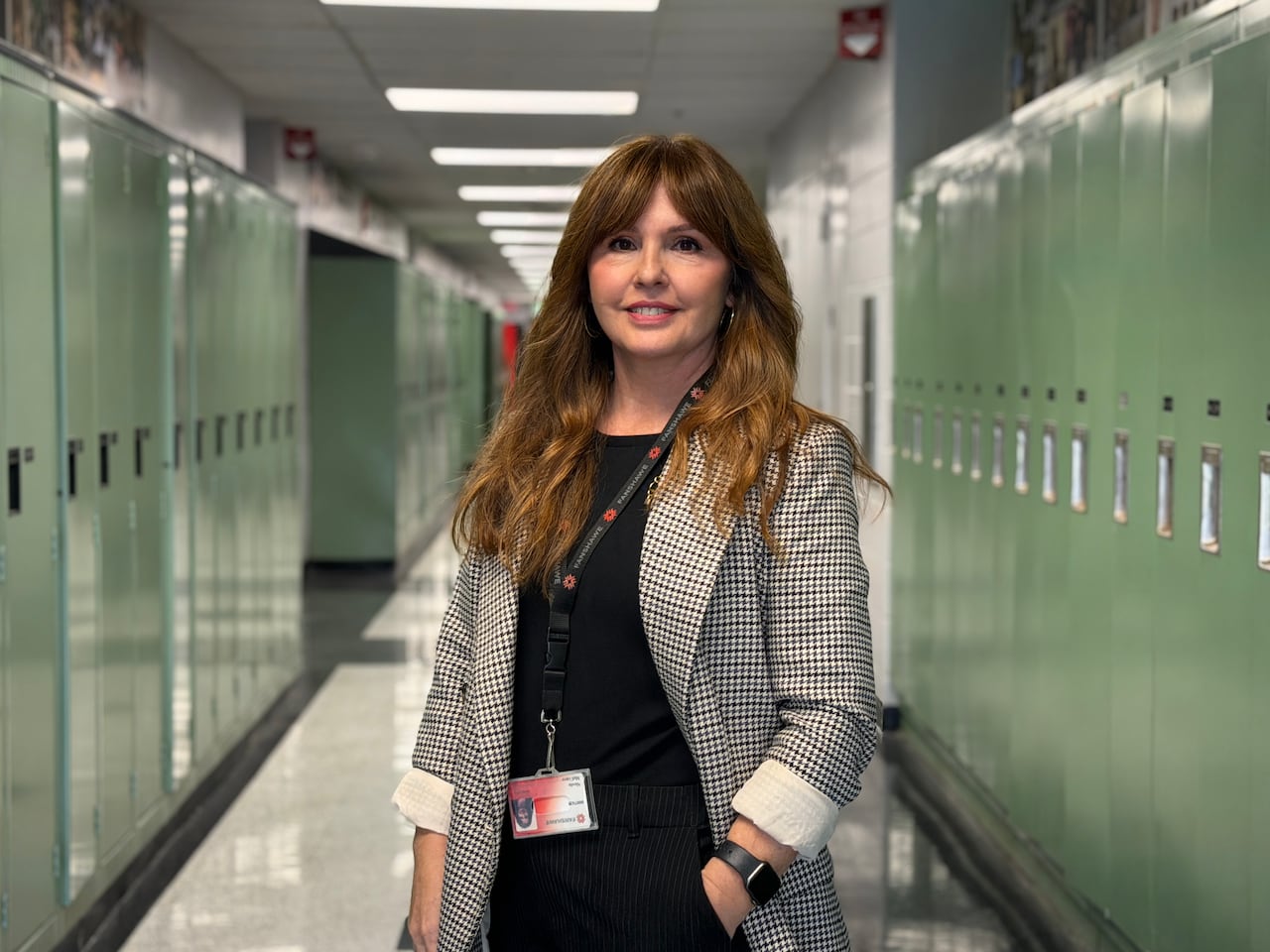
Nicola McCrave is the program coordinator for Fanshawe College’s graphic design advance diploma. (Kendra Seguin/CBC News)
“Empathy is all about understanding, so if you can stand what somebody wants and needs, you’ll be able to target them better.”
McCrave said she isn’t entirely against AI, and said Fanshawe faculty are even encouraging students to use it occasionally.
“It is just a tool, so not dissimilar to any of the software that we teach the students to use,” she said. “We want them to leverage it as a research tool more than anything, where it can give them feedback, but we also want them thinking critically about the output AI is giving them.”
Jessica Lyver, who is in her final year of the program, said she has used AI in the program to help with research and text generation.
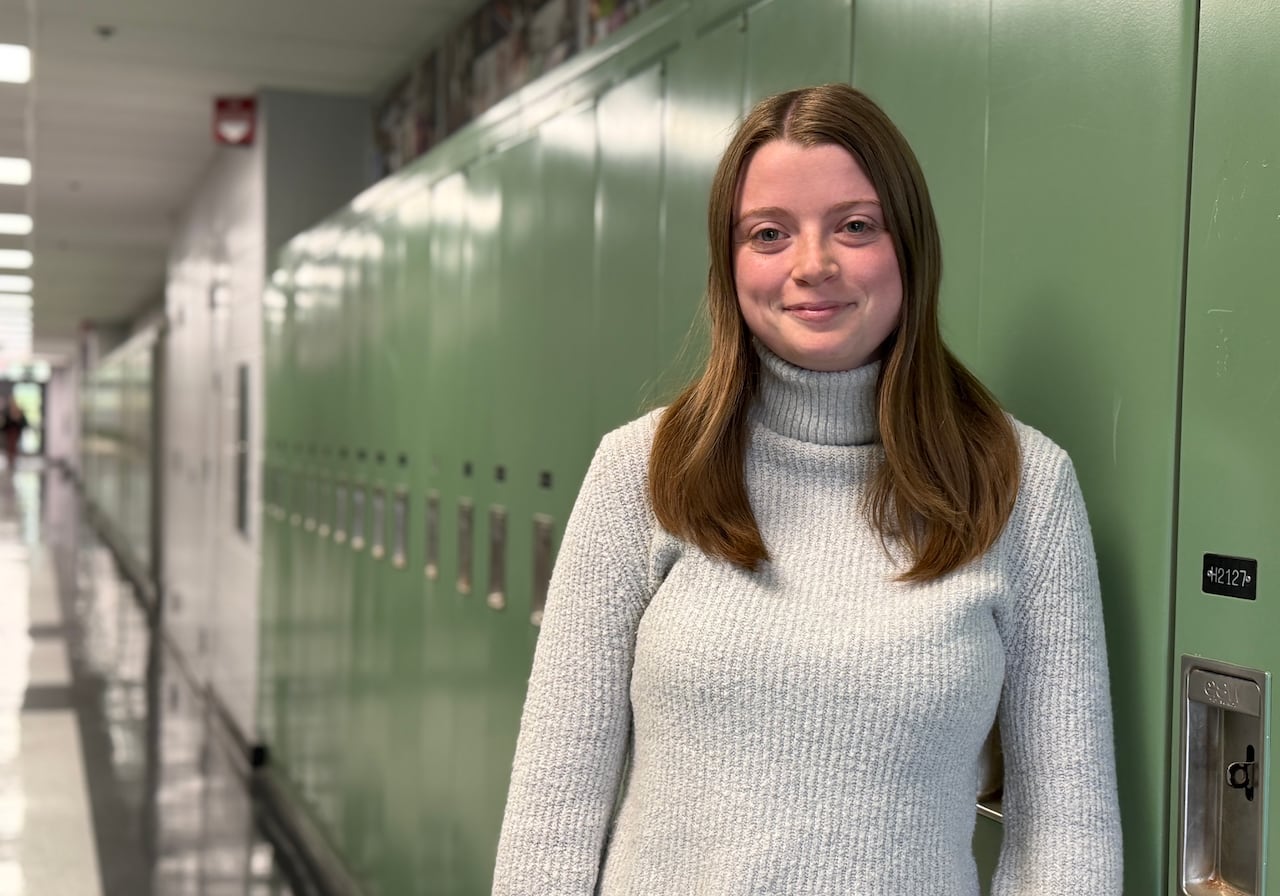
Jessica Lyver, a Fanshawe College student originally from Lindsay, Ont., says she uses AI as a research tool to help with her graphic design projects. (Kendra Seguin/CBC News)
“I think we see AI as a tool, not a competitor,” Lyver said. “We’re keeping up with AI as well.”
That said, Lyver said seeing an entirely AI-generated poster in the city still isn’t her favourite sight.
“I feel if a company is using all AI, it almost makes them seem untrustworthy. I personally would rather see stuff that another human designer has created,” she said.